Starmer called Britain's refusal to engage with China "irresponsible"
British Prime Minister Keir Starmer criticized the approach of previous Conservative governments to China and said that a policy of restoring dialogue with Beijing is necessary for the country’s national interests.
By Oleg Bazylewicz
December 2, 2025 · 2 min read
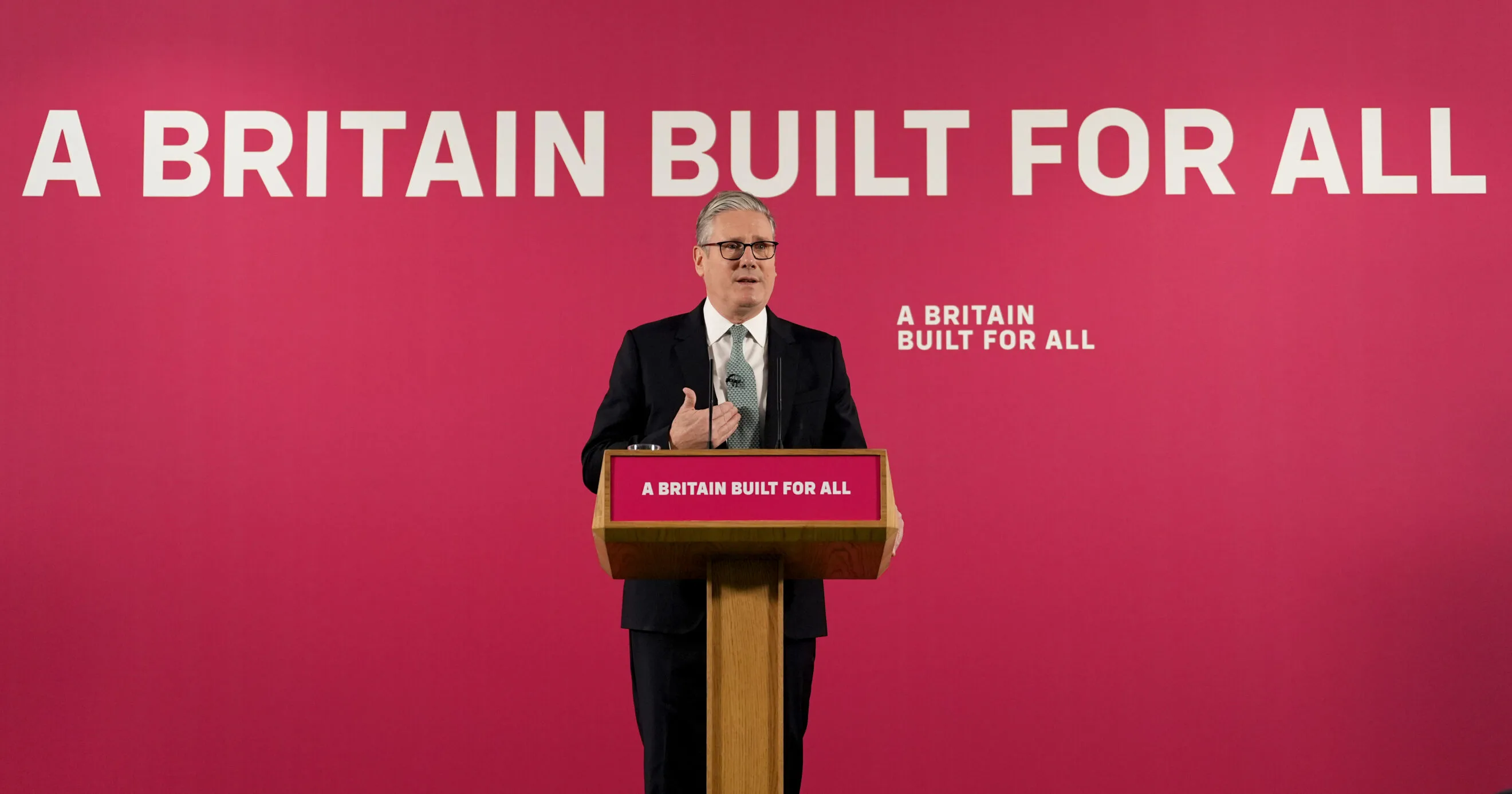
Starmer sharply criticized the policies of his predecessors
British Prime Minister Keir Starmer said that the abandonment of strategic engagement with China was an "astonishing" mistake and "irresponsible." He said this on Monday during a speech at the Lord Mayor's banquet.
He said Conservative governments in recent years allowed a dangerous cooling of contacts with Beijing, which ran counter to London's interests on the world stage.
A push to restore dialogue with Beijing
Since coming to power, Starmer's government has pursued more active engagement with China. Several visits by British ministers to Beijing have already taken place as the government seeks investment to stimulate economic growth in the UK.
That approach has drawn criticism, notably after allegations that Starmer's advisers influenced the collapse of the prosecution of two people suspected of spying for China. Despite this, London has not abandoned plans to allow the creation of a new Chinese "super-embassy" in the capital, despite warnings from security services.
"China — a defining power for decades to come"
The prime minister said that the rise of China's influence will be one of the key challenges for British foreign policy, since Beijing is at once a security threat to the country and an important player in the global economy.
"For years we have been warming and cooling relations. We had a 'golden age' which then turned into an 'ice age'. We reject that false dichotomy,"
– said Starmer.
He stressed that national security will always be a priority, but it is precisely tough protective measures that allow cooperation with China in important areas.
Preparing for a visit to China
According to British media, the prime minister plans to visit China at the beginning of next year. This will follow trips by his chancellor, the foreign secretary and the business minister.
On the sidelines of the recent G20 summit in South Africa, Starmer held a brief conversation with Chinese Premier Li Qiang.
Britain "will re-engage with the world" after Brexit
In his speech the prime minister also said that the UK intends to once again actively defend its interests on the international stage, even despite the recent collapse of talks over the country's participation in a new EU defence credit scheme.
In the context of criticism from opponents in the Conservative Party and the Reform Party, Starmer spoke out against withdrawing from the European Convention on Human Rights.
"It offers grievance instead of hope. It is a vision of a smaller Britain — not a Great Britain,"
– he said.