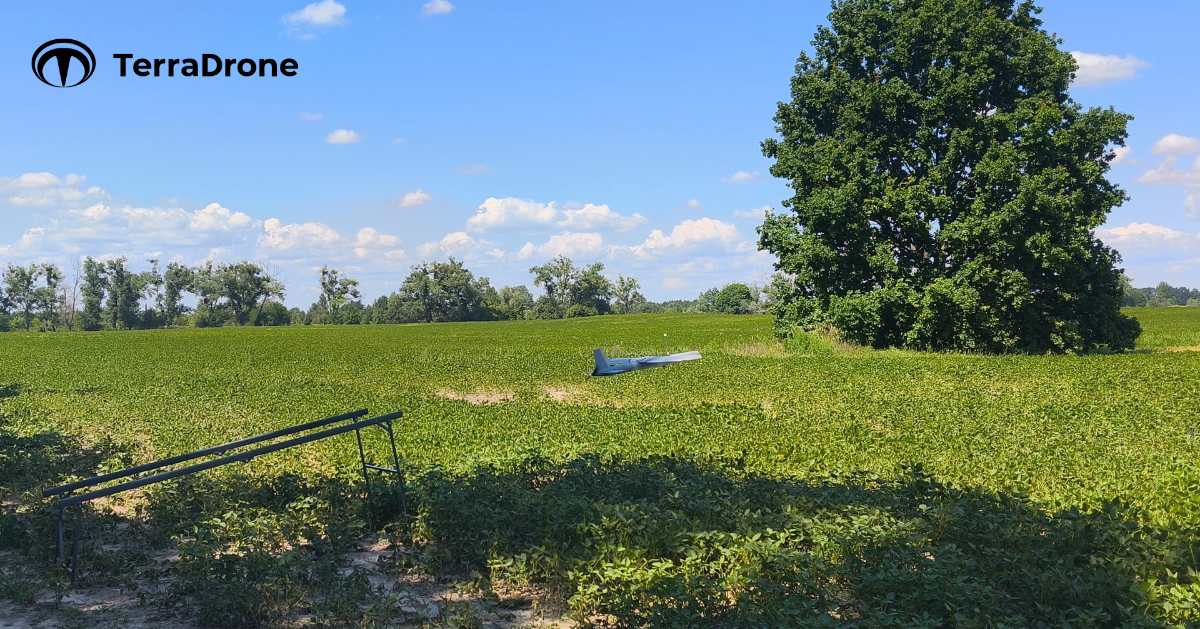
Tesla Battery in a Drone: How a Lviv Startup Defied Drone Range Logic
# Pawell Power Replaces Standard Li-ion Cells with Automotive LiNMC Technology Pawell Power has switched from standard Li-ion cells to automotive-grade LiNMC batteries — the same technology used in Tesla and Mercedes vehicles. The result: the POSTMAN drone completed a 197-kilometer flight in October 2025 carrying a 15-kilogram warhead and returned with 10% battery remaining.

By Oleg Bazylewicz
April 6, 2026 · 2 min read
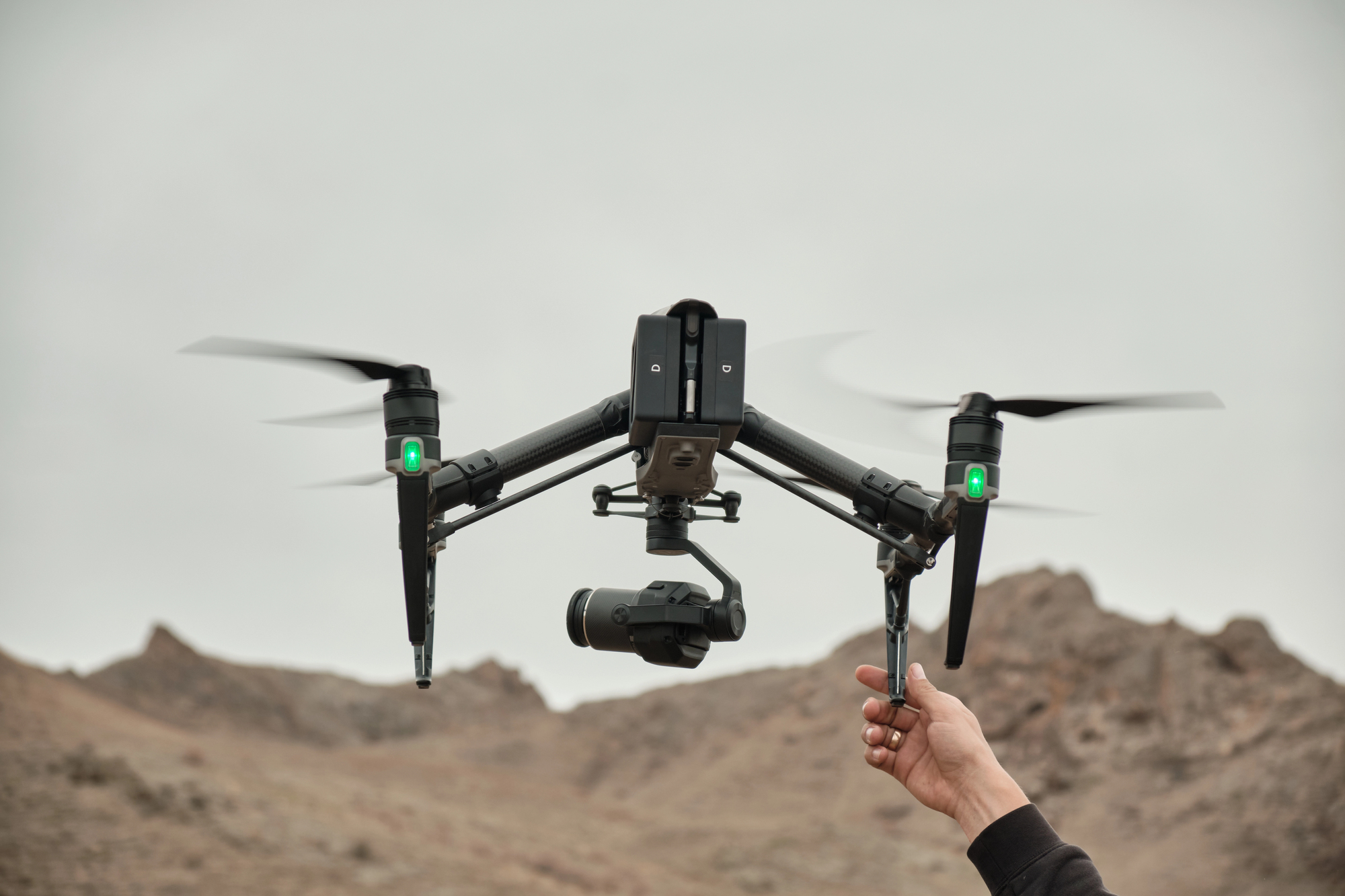
When the Sumy direction recorded the first combat result of a new battery in summer 2025, the crew transmitted the coordinates of a Buk-M1 air defense missile system — a target worth approximately $10 million. The drone penetrated 40 km into enemy territory. This was not yet a record — it was a proof of concept.
Why the transition to automotive cells is not an obvious decision
Standard drone batteries are built on Li-ion cells optimized for short discharges with high current. Pawell Power bet on LiNMC — the chemistry used by Tesla and Mercedes electric vehicles. These cells are less powerful in peak discharge, but accumulate significantly more energy per unit of weight and withstand deeper cycles. For agricultural drones hovering over fields, this made sense. For a strike unmanned vehicle that needs to break through electronic warfare and return — it turned out to be an even better choice.
According to the company's director Vladimir Neborov, Kyiv Post gained access to a closed assembly workshop in western Ukraine: Pawell became the first Ukrainian company to combine solid-state batteries with high-current Li-ion cells, tested them in the field, collected feedback from fighters and launched serial production.
"We constantly talk to the guys on the front lines and they tell us what they need. Our job is to listen and find a technical solution."
— Vladimir Neborov, Director of Pawell Power, Kyiv Post
What happened in October
In October 2025, the POSTMAN drone broke through 197 km for the first time. On board — a 15-kilogram warhead. After striking an ammunition depot, the aircraft returned with approximately 10% charge — meaning a potential reserve for another 20–25 km. On a standard battery, the same drone could fly about 135 km. The difference — is not in the size of the aircraft, but only in the chemistry of the cells.
The efficiency of the new battery increased by 77% without adding weight — and without reducing space for payload, as noted by Euromaidan Press.
Range as a strategic weapon
A 200-kilometer radius of action is no longer a tactical tool. According to dev.ua's assessment, drones with such a range form their own A2/AD zone for Ukraine: aerodromes, depots, and logistics hubs come under constant threat. Unlike cruise missiles, drones can be launched en masse, forcing the enemy to spend expensive air defense systems on much cheaper targets.
- Agricultural drone starting range: ~30 km
- First combat sortie with new battery: 40 km into enemy territory (July 2025, Sumy direction)
- POSTMAN record: 197 km with return (October 2025)
- Battery efficiency gain: +77% at the same weight
The technology is already in serial production — but Pawell does not disclose the scale of output and the pace of saturation at the front.
If Ukraine can deploy hundreds of such devices simultaneously, the question becomes more concrete: will Russia have enough interceptor missiles to cover objects at a distance of 150–200 km from the front line — especially if each destroyed drone costs tens of times less than each air defense missile fired at it?