Amazfit Cheetah 2 Ultra: $600 trail running watch vs. Garmin Fenix — where the real difference lies
Amazfit launches Cheetah 2 Ultra into the premium trail watch segment at $599 with 33 hours of GPS battery life — but the main question isn't about autonomy, but whether the Zepp ecosystem can compete with established leaders.

By Tetiana Suchkova-Ladik
May 14, 2026 · 2 min read
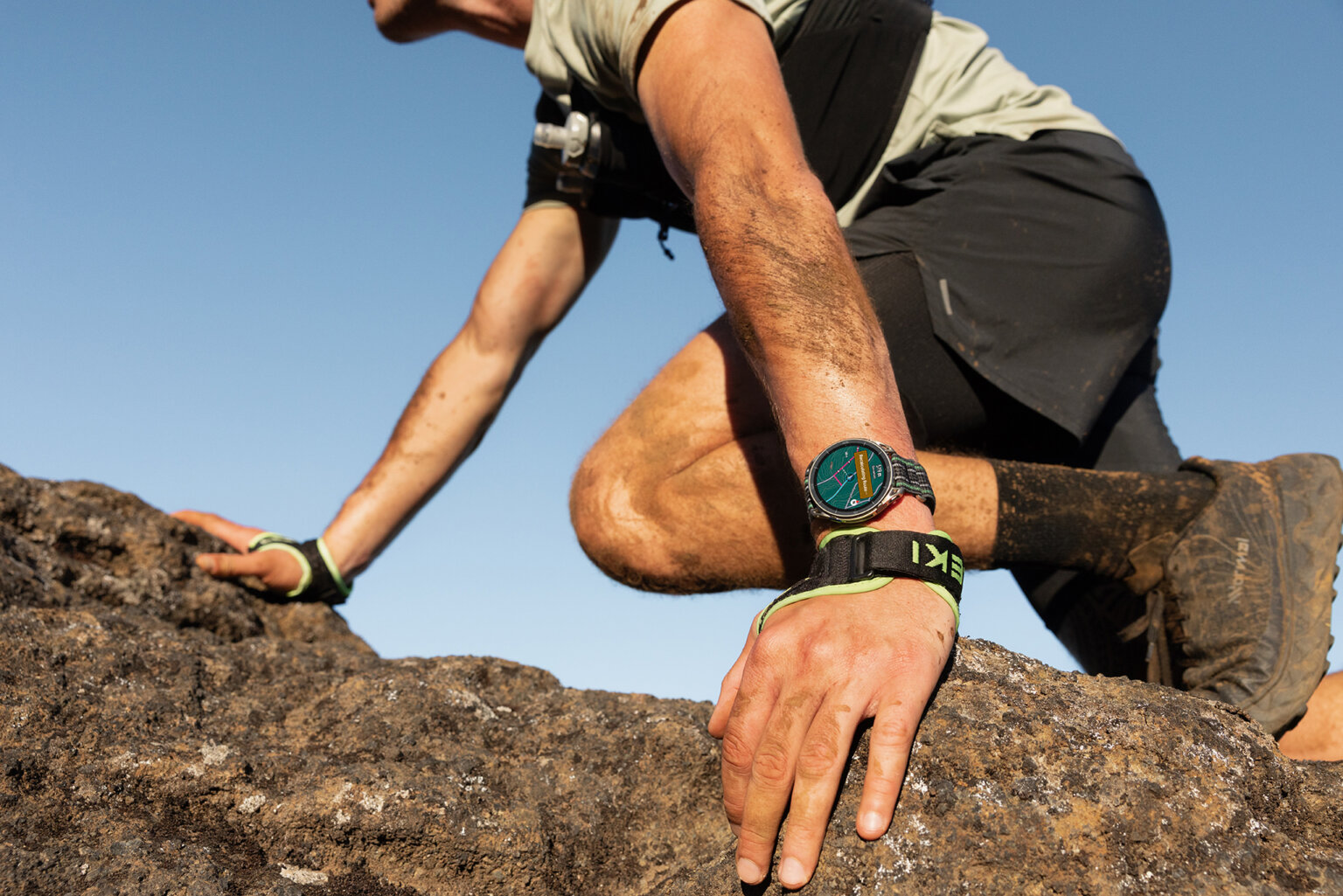
Amazfit Cheetah 2 Ultra was released on May 13, 2026, at a price of $599.99 — and immediately positions itself not as a budget alternative, but as a direct competitor to Garmin Fenix and Suunto Vertical in the mountain ultra segment. The gap between ambition and reality here deserves careful consideration.
What's Inside the Case
Grade 5 titanium case, sapphire glass, 1.5-inch AMOLED display with 3000 nits brightness — constructively, the watch matches its price. 64 GB of built-in storage — twice as much as the Cheetah 2 Pro — allows storing full-color topographic maps offline and audio for long runs without a phone. The 5 ATM rating means immersion up to 50 meters — in practice, withstanding downpours on a mountain route for several hours.
The built-in flashlight has four modes: white, red, SOS, and boost — a detail that looks like marketing until darkness falls at the finish of a 100-kilometer run.
33 Hours of GPS — Context for the Number
Autonomy of 33 hours in Trail Running GPS mode — approximately the finish time of an average UTMB participant. For 50-mile routes, the figure is comfortable; for 100-mile routes, it's already borderline. For comparison: Garmin Fenix 8 Solar in GPS mode with solar charging claims up to 48 hours, Suunto Vertical — up to 60 hours in balanced mode. In regular wear mode, the Cheetah 2 Ultra lasts up to 30 days.
Ecosystem as the Main Bet
Amazfit integrates the watch into the Zepp Hybrid Training platform — a tool that balances running, strength training, and recovery in a single plan. The Zepp app syncs with Strava, TrainingPeaks, Runna, Apple Health, Google Fit, and intervals.icu — meaning the watch doesn't require switching to a closed ecosystem.
"Ultra is a specialized tool for trail runners who measure success in elevation gain, unpredictable terrain, and hours on the route"
— Amazfit, official announcement
Support for VO2 max, Training Readiness, load and recovery analysis — metrics that were previously the domain of Garmin — are now present here. The question is about algorithm quality, not feature availability.
Positioning in the Lineup
- Cheetah 2 Pro — for road marathoners, lighter, 1.32" screen, up to 20 days battery life
- Cheetah 2 Ultra — for trail and ultra, titanium + sapphire, 64 GB, 33 hours GPS, $599.99
Amazfit released both models within weeks — a clear attempt to cover the entire running segment before the summer racing season.
For $599, the buyer gets a hardware-strong watch with an open ecosystem — but trust in Zepp algorithms among experienced trail runners is still being built: if Amazfit confirms the accuracy of its training metrics with real competition data this season, the argument "why pay more for Garmin" will become truly compelling.