Amazfit Cuts Regular Updates: What It Means for Owners of the T‑Rex 3, Bip 5 Unity and Helio Ring
Zepp Health announced that three 2024 devices — the T‑Rex 3, Bip 5 Unity, and Helio Ring — will stop receiving regular updates after 2026. We examine why this matters for security, device longevity, and planning a purchase.

By Tetiana Suchkova-Ladik
January 9, 2026 · 2 min read
What was announced
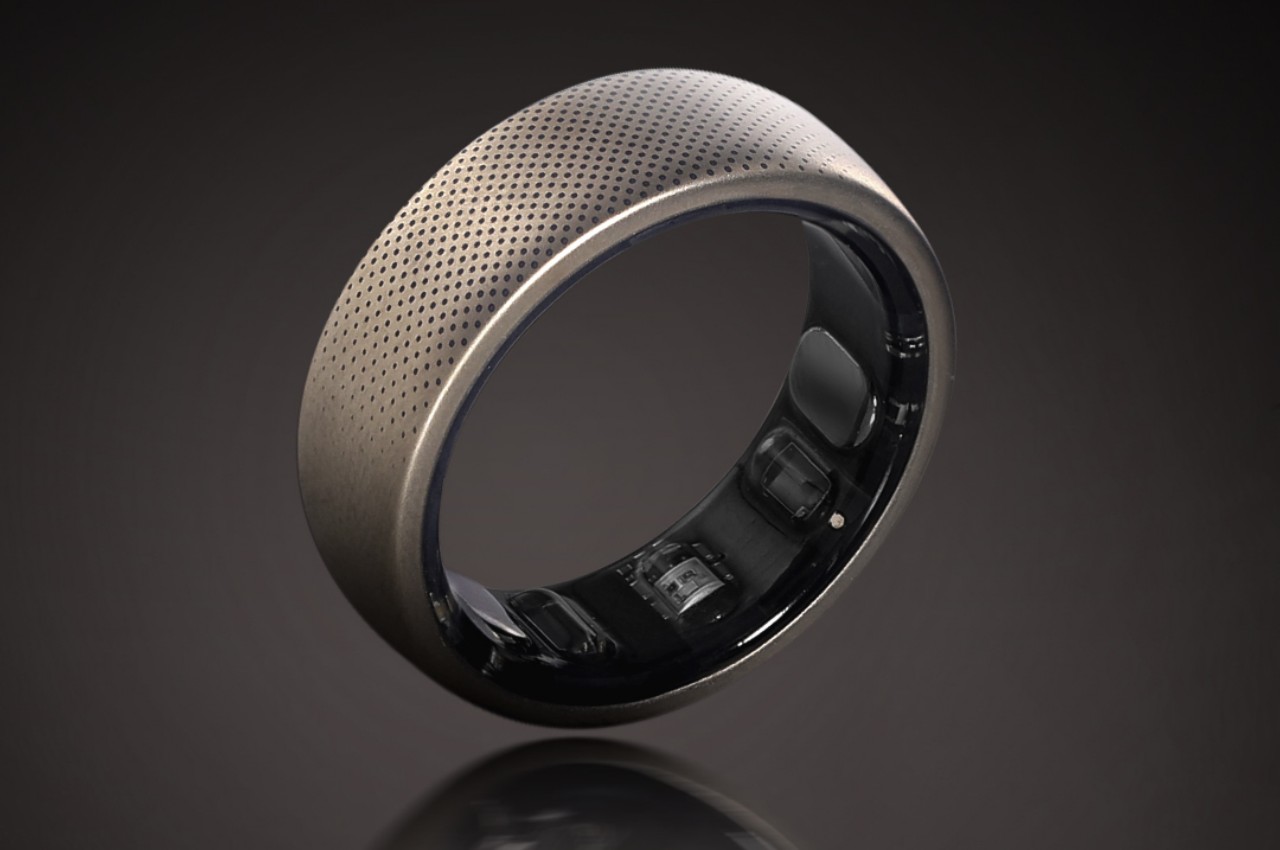
Company Zepp Health officially indicated on its security updates page that the smartwatches Amazfit T‑Rex 3 and Bip 5 Unity, as well as the smart ring Helio Ring, will no longer receive regular updates after 2026. All three models were released in 2024; Bip 5 Unity and Helio Ring will lose regular support in April 2026, while the T‑Rex 3 will in September 2026.
Who and when support will be discontinued
This aligns with Zepp’s policy for devices released before June 2025: a two‑year support cycle. Models released after that date receive updates for three years. There are exceptions — for example, the Active 2 NFC (Round) is supported for 2.5 years, and the Up Open‑Ear Earbuds — up to four years.
How risky this is for users
After a device reaches “End of Life” status it stops receiving regular functional updates, but it may still receive critical security patches if a significant vulnerability is discovered. This is an important point for those who store personal data or use devices for health tracking.
"Even after reaching 'End of Life' status, devices may receive critical security patches if significant vulnerabilities are discovered."
— Zepp Health, official security updates page
Practical advice for Ukrainian users
For buyers in Ukraine, where updating a gadget is a significant investment, it is important to know the support period before purchase. If you own one of the mentioned models, do the following: update the firmware to the latest version, enable data backups, review privacy settings, and consider upgrading the device if security is critical to you.
Market context and conclusion
Zepp Health’s announcement reflects a broader trend — manufacturers set support cycles differently depending on the product segment. This is no longer just a question of features and price, but also of the manufacturer’s long‑term responsibility. When buying a gadget, ask about support timelines and include them in your selection criteria.
Question to consider: are you willing to buy a device based not only on specifications, but also on update guarantees that affect security and longevity?