Android manufacturers are copying an iPhone color that doesn't exist yet — and it's no joke
Several Android brands are already testing a dark burgundy shade, following a leak about the iPhone 18 Pro. The precedent with orange showed that the bet was justified — but this time the race started before Apple's official announcement.

By Tetiana Suchkova-Ladik
April 14, 2026 · 2 min read
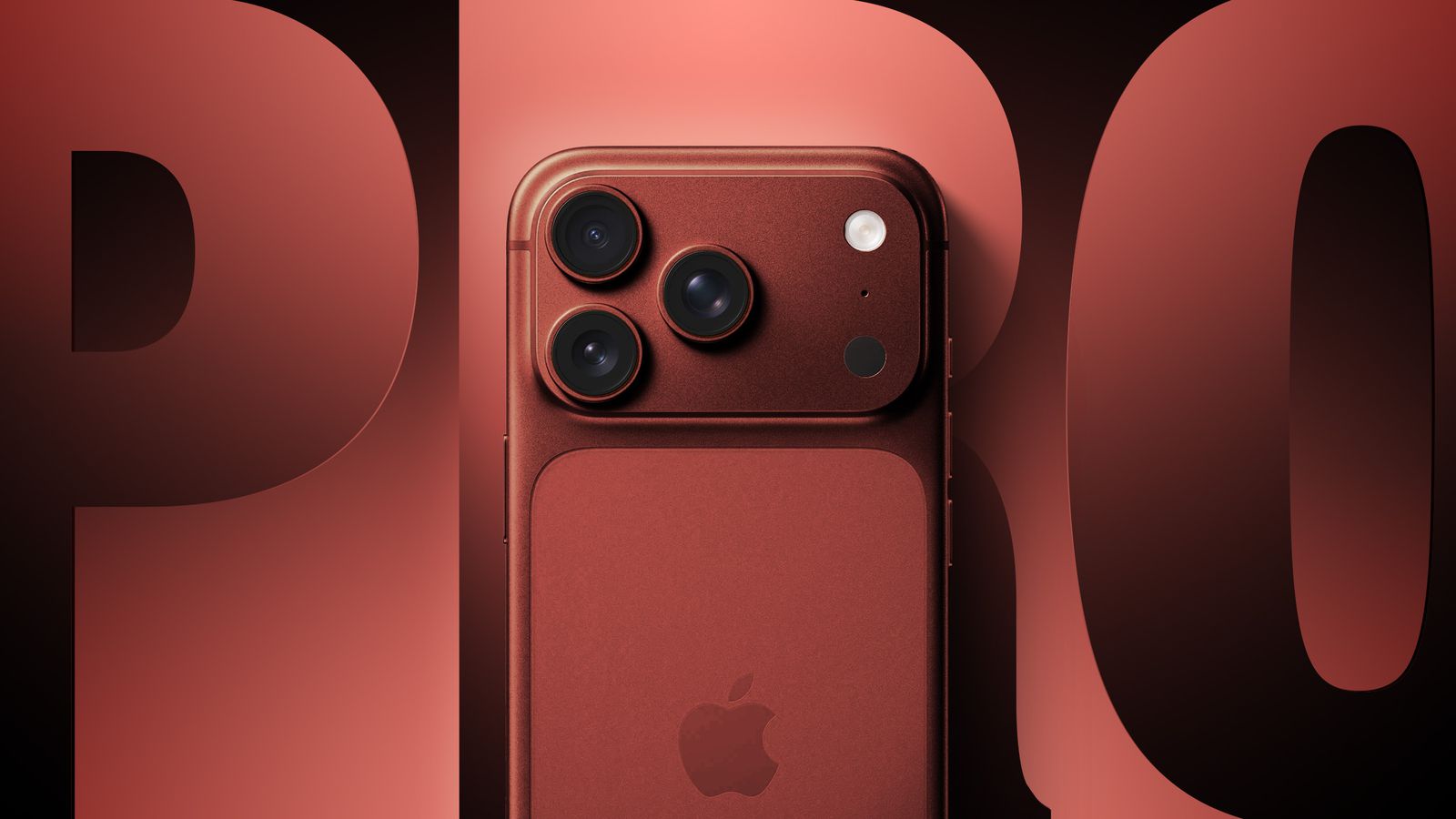
Insider Digital Chat Station reported that several Android smartphone manufacturers are already testing a saturated dark red — burgundy — body color. The reason is simple: according to leaks, this is exactly the color Apple is preparing for the iPhone 18 Pro.
Why they copy a color that hasn't been announced yet
The logic of Android brands is based on a specific precedent. When the iPhone 17 Pro in Cosmic Orange launched in September 2025, similar options appeared from other manufacturers within months — from flagship to budget models. According to Financial Times, the orange version boosted Apple sales in China by 38%. For competitors, this was a signal: a trendy color from Apple converts to real demand — and whoever gets there first captures the market.
This time, manufacturers decided not to wait. Testing of the shade is happening in parallel with the development of the iPhone 18 Pro, meaning a finished product could appear on the market almost simultaneously with Apple — or even earlier.
What is known about the color itself
According to Bloomberg, Mark Gurman describes the shade as "burgundy" — deep, saturated, far from the bright red PRODUCT(RED) that Apple discontinued back with the iPhone 14 in 2022. If the color is confirmed, it will be the first time a red tone appears in the Pro lineup.
"The burgundy shade looks like a bet on premium positioning rather than recognizability — this is a different color philosophy compared to PRODUCT(RED)."
Gizchina, analysis of iPhone 18 Pro leaks
In parallel with burgundy, two more new shades appear in the leaks — coffee and violet. Black, according to the same sources, will be absent from the Pro lineup for the second consecutive year.
Trend mechanics: how it works in practice
- Flagships first — burgundy is being tested primarily in the premium segment, where Apple is a direct competitor.
- Mid-range follows — after flagships, the shade migrates to more affordable models, where it becomes "trendy at a democratic price."
- Accessories in parallel — manufacturers of cases and skins, as happened with orange, will start preparing collections before sales begin.
This scheme transforms one manufacturer's color decision into a market standard — without any licenses or agreements. Apple essentially sets the industry palette for free.
If the iPhone 18 Pro launches in burgundy and repeats the commercial success of orange — next year Android manufacturers will apparently start testing colors at the rumor stage rather than confirmed leaks. The question is different: will a brand that beats Apple to market with a burgundy flagship actually be able to capture demand — or will consumers wait for the original anyway?



