Anduril Acquires ExoAnalytic — Network of Around 400 Telescopes Becomes a New Lever for Space Security
American miltech Anduril has acquired ExoAnalytic Solutions — a firm that tracks satellites and manages a network of about 400 telescopes. Why this matters for defense contracts, orbital situational awareness, and partners countering Russian aggression.

By Tetiana Suchkova-Ladik
March 11, 2026 · 2 min read
What happened
Anduril Industries announced the acquisition of ExoAnalytic Solutions — a company specializing in spacecraft surveillance and space data analysis. Terms of the deal were not disclosed; the parties say this is a logical continuation of years-long cooperation within U.S. defense programs.
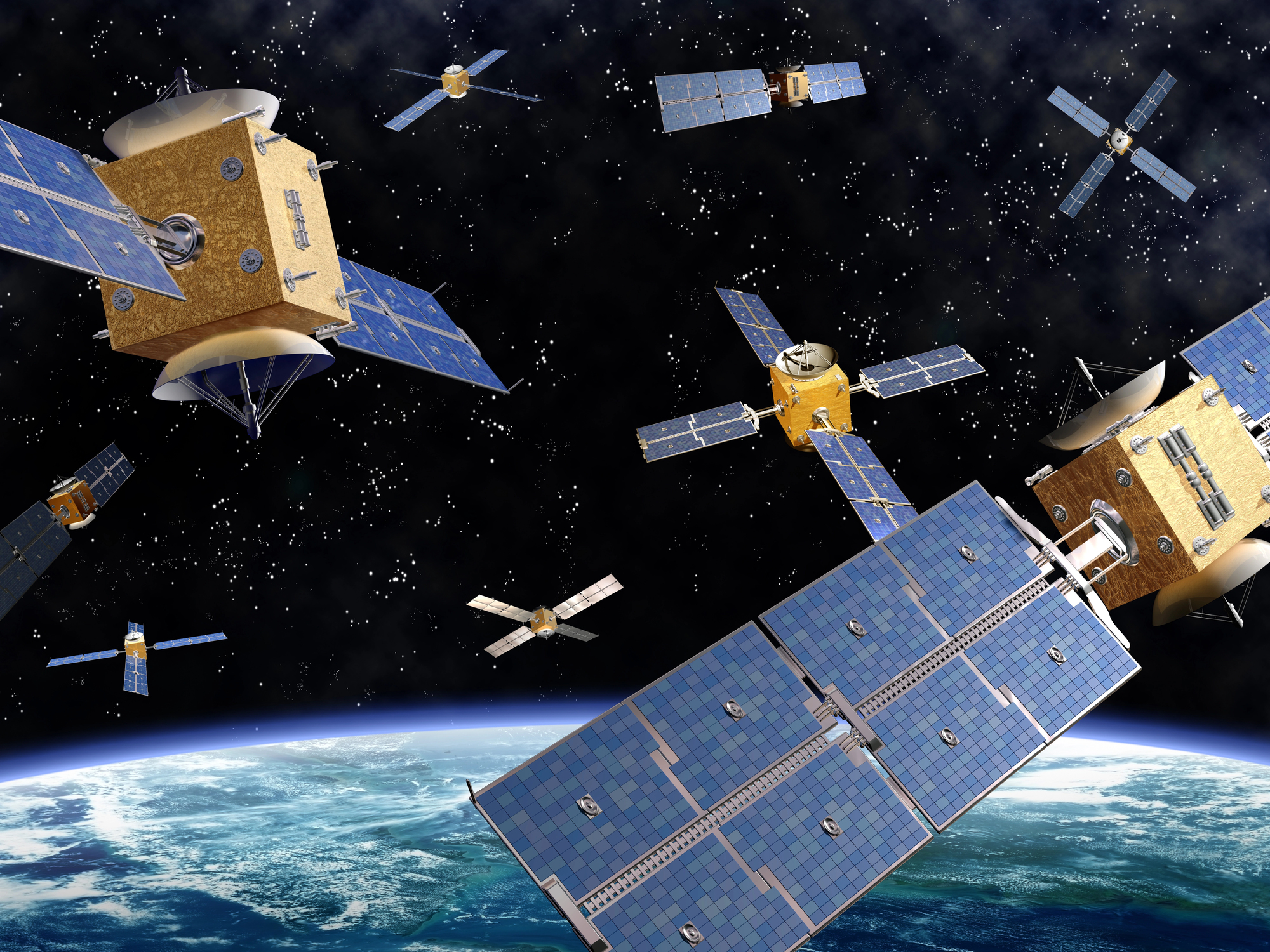
ExoAnalytic operates a network of roughly 400 telescopes around the world, enabling tracking of satellites in high orbits and collection of data about objects and events in space. After the deal closes about 130 ExoAnalytic employees will join Anduril, and the company itself will be integrated into the new owner's structure while continuing to serve existing and new customers. According to the company, plans include launching three of its own spacecraft this year.
Why this matters for Anduril
This move is not just about the number of sensors. As owner of its own surveillance network, Anduril gains direct access to raw data that can be rapidly integrated into platforms for analysis and decision-making. For a miltech company this provides a competitive edge when bidding for government contracts, including projects like the Golden Dome missile defense system, where rapid and reliable situational awareness in space is crucial.
Another rationale is control over the source of information. Instead of purchasing data streams and satellite data on the open market, Anduril can now own sensor infrastructure and more quickly deploy AI-driven analytics, as it has done in past partnerships (for example, in 2025 Anduril and Meta presented AI-enabled helmets for the U.S. Army).
What this means for Ukraine and partners
An indirect benefit for Ukraine is the potential increase in overall situational awareness among allies in space. Improved capabilities to detect, track, and analyze satellite activity help identify risks: from the buildup of military forces in orbit to attacks on infrastructure.
But there are limits: most data and priorities belong to Anduril’s customers — primarily the U.S. government. In other words, turning technical capability into concrete assistance will depend on political decisions, agreements, and legal mechanisms for transferring data to partners.
Analysts note that for Ukraine it is important not only to have specific technical solutions, but also to integrate allies' tools into common procedures for information sharing and response.
"We are integrating ExoAnalytic’s capabilities into Anduril’s structure, maintaining service to existing customers and developing new products for defense buyers"
— ExoAnalytic Solutions, press release
Conclusion
The acquisition of ExoAnalytic gives Anduril not only sensors, but also speed and control over data flows — key factors in modern space intelligence. For Ukraine and its partners this is a signal: allies’ technological capabilities are growing, but converting that growth into practical assistance depends on agreements and political will. It is now up to diplomacy and contractual work to ensure the new resources serve security rather than remain a corporate advantage.



