Apple May Borrow Samsung’s Privacy Display — What It Would Mean for MacBook Security
Insider Ice Universe reports that Apple plans to integrate the Privacy Display feature from the Galaxy S26 Ultra into future MacBooks. This is not just a technical gimmick: it’s about protecting information in public places and a new option for professionals. We look at when the feature will arrive and what practical consequences it will have for users.

By Tetiana Suchkova-Ladik
February 16, 2026 · 2 min read
Briefly — why it's worth paying attention
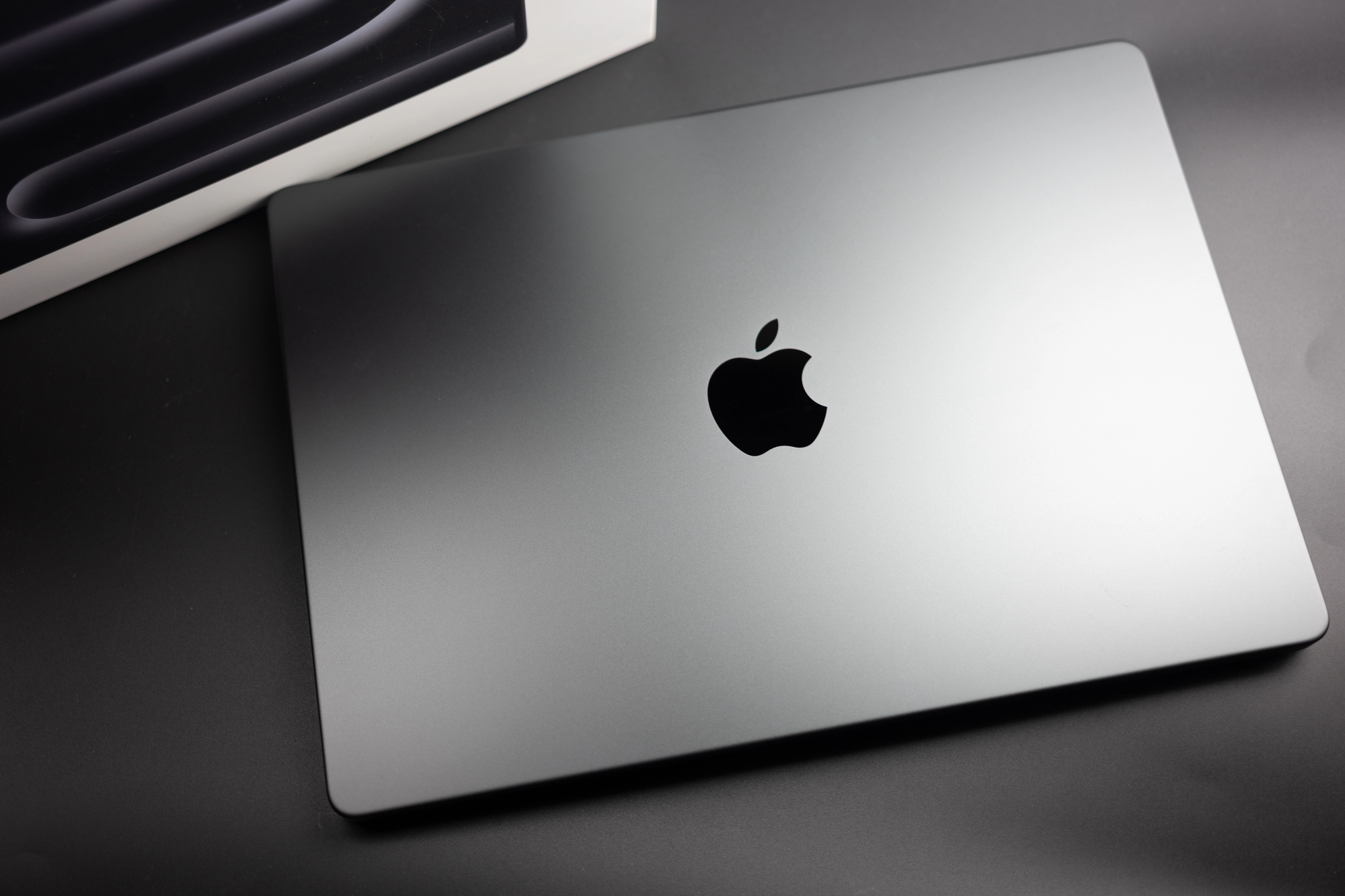
According to insider Ice Universe, Apple is considering implementing the Privacy Display feature, known from the Galaxy S26 Ultra, in its future MacBooks. This is a technology that restricts the screen's viewing angles: only a user looking straight at the display sees the content clearly, while people to the side do not. For those who work on public transport, in cafés, or handle confidential work, it's a simple way to increase privacy without additional accessories.
What the technology is and where it came from
Privacy Display combines hardware and software solutions, including the Flex Magic Pixel technology that Samsung Display demonstrated at Mobile World Congress 2024. This approach allows the effect to be applied to the entire screen, to individual apps, or to a selected area of the display — a flexibility that's important for professional use cases.
"Apple plans to integrate the Privacy Display feature from the Galaxy S26 Ultra into its future MacBooks"
— Ice Universe, insider / display reviewer
When it might appear and how we'll pay for it
Insiders predict that the hardware-and-software implementation could appear in macOS for high-end MacBook Pro models around 2029. Likely, the feature will not be available in the base configuration but as a separate option — similar to the Nano Texture option for MacBook Pro and Studio Display. That means users will pay for an additional level of privacy, as they are already used to paying for professional upgrades.
Market and technology context
Apple continues to refresh its lineup: in 2025 a 14-inch MacBook Pro M5 appeared at $1,599, and a possible shift to touch OLED screens in the MacBook Pro had been forecast for 2026. Integrating Privacy Display is logical in the context of display evolution — from improving color and contrast to adding privacy and security features.
Why this matters for Ukraine
For Ukrainian journalists, lawyers, volunteers, and members of defense projects, a protected screen is not just a convenience but an element of operational security. The ability to limit the viewing angle reduces the risk of accidental data leaks in public places. In addition, a hardware-level option increases the competitiveness of the MacBook in professional niches, which is important for the IT services market and remote work in Ukraine.
Conclusion
If the forecasts are confirmed, Apple will introduce not just a gimmick but a tool that enhances users' privacy and security in real-world conditions. Now it's up to component manufacturers and software developers: how quickly the technology will become available and at what price. For users, it's important to follow macOS updates and how Apple will position this option for professional users.