Apple isn't testing a 200MP sensor for the iPhone — focus on 48MP and variable aperture
Insider Digital Chat Station says 200‑megapixel sensors are being discussed in the supply chain but have not appeared in active prototypes. Why Apple chooses optics and software over pixel count — and what that gives the end user.

By Tetiana Suchkova-Ladik
January 7, 2026 · 2 min read
Briefly
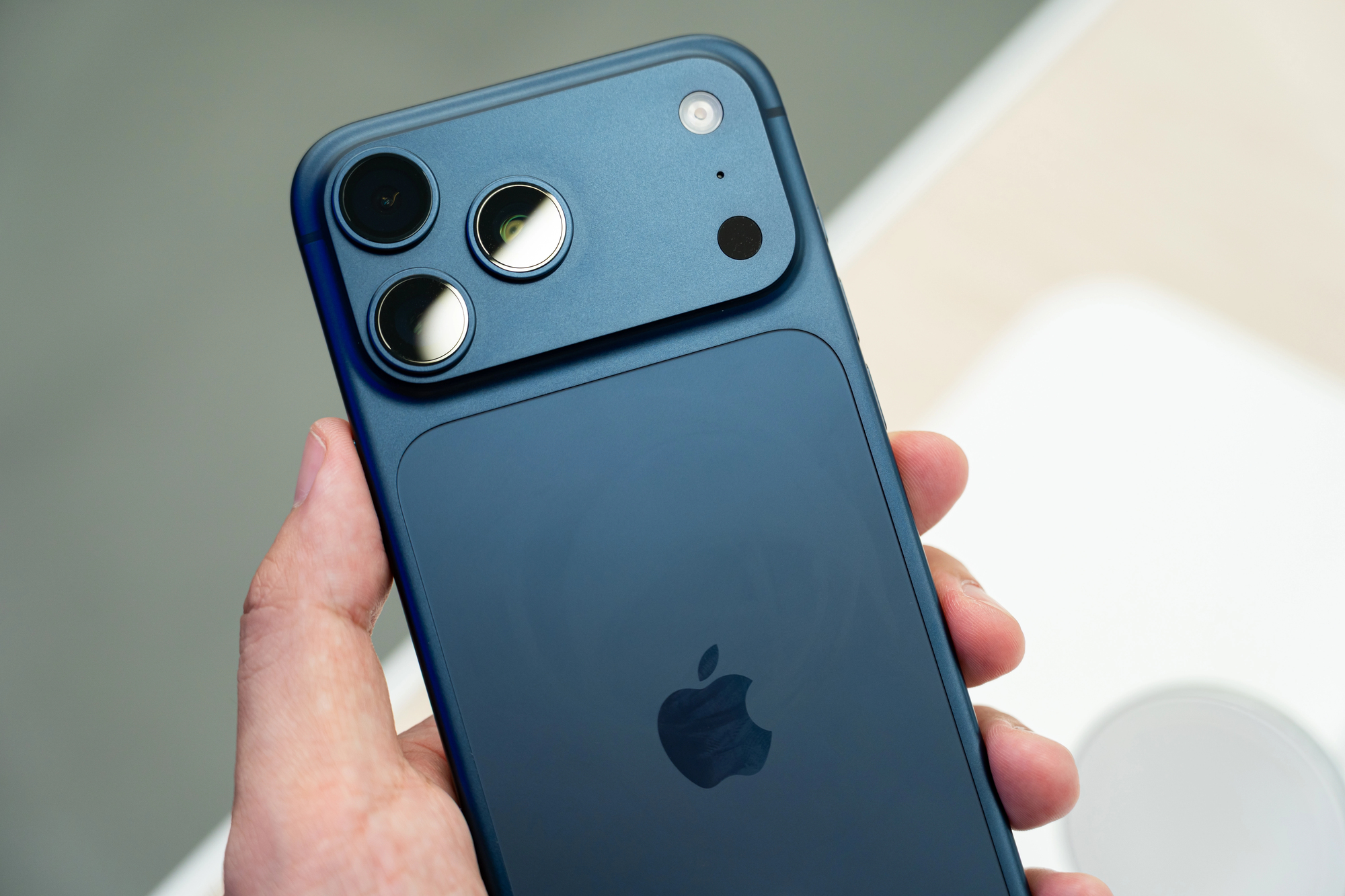
Insider Digital Chat Station reported: Apple is not currently testing 200-megapixel cameras in active iPhone prototypes. The company continues to focus on 48 MP modules with support for variable aperture and improved telephoto lenses — these are the changes expected in upcoming models.
Why not 200 MP: technical and business motives
200 MP looks impressive on paper and enables very detailed shots (useful for cropping and large-format prints). But in a mobile camera the sensor size is not the only important factor — optics, power consumption, signal processing and algorithm performance also matter. Apple bets on balance: better optics + advanced computational photography often deliver a more noticeable improvement in everyday photo quality for users than simply increasing pixel count.
Technical compromises
First of all, 200 MP requires a larger sensor or pixel miniaturization, which complicates low-light performance. In addition, data volume increases, putting more load on the processor and raising power consumption. Apple, apparently, considers that investments in optics (longer telephoto reach, faster lenses) and a variable aperture will bring users more tangible results in daily use.
"Such sensors are being discussed in the supply chain, but they are not present in active prototypes."
— Digital Chat Station, supply-chain insider
Market context
Samsung implemented 200 MP in its flagships back in 2023 (for example, the Galaxy S23 Ultra) and actively uses such sensors. This gives a marketing advantage and certain technical use cases. But market reviews and testers often note: real photo quality is formed by the sum of components — the sensor, optics, stabilization and algorithms.
What it gives the user
Focusing on 48 MP and a variable aperture means: better results in challenging lighting, higher-quality zoom thanks to optical solutions, and more stable battery performance during shooting. For people who photograph in real life — street, travel, documents — these improvements will be more noticeable than just a bigger megapixel number on the box.
Additional signals
The insider also mentioned other Apple releases and prototypes: special versions of AirPods and foldable iPhone concepts. This indicates the company continues to test a wide set of components, but only implements those that provide tangible benefits at production scale.
Conclusion
Apple may be testing 200-megapixel sensors as part of component research, but for now the strategy is not to chase numbers, but to raise practical shooting quality through optics and software. For the user this means: not a race for megapixels, but real improvements in photo results. Question for consideration: when will the technological costs (power, processing, optics) fall enough for Apple to change course — and how quickly will buyers in our region feel it?



