Apple refreshes 27" Studio Display XDR: what it means for Ukrainian creators and medical centers
Apple unveiled two 27‑inch displays for professionals. We explain the key technical differences, who actually needs them, and why the update matters for Ukraine’s creative industry and medicine.

By Tetiana Suchkova-Ladik
March 3, 2026 · 2 min read
In short — why this matters
Apple has expanded its lineup of external monitors for Mac: the entry-level Studio Display and the flagship Studio Display XDR. For users this is not just new numbers in the specs — these are tools that can improve the work quality of photographers, video editors, 3D artists and medical imaging specialists in Ukraine. Especially when color accuracy and dynamic range determine a project's outcome.
What’s new in the models
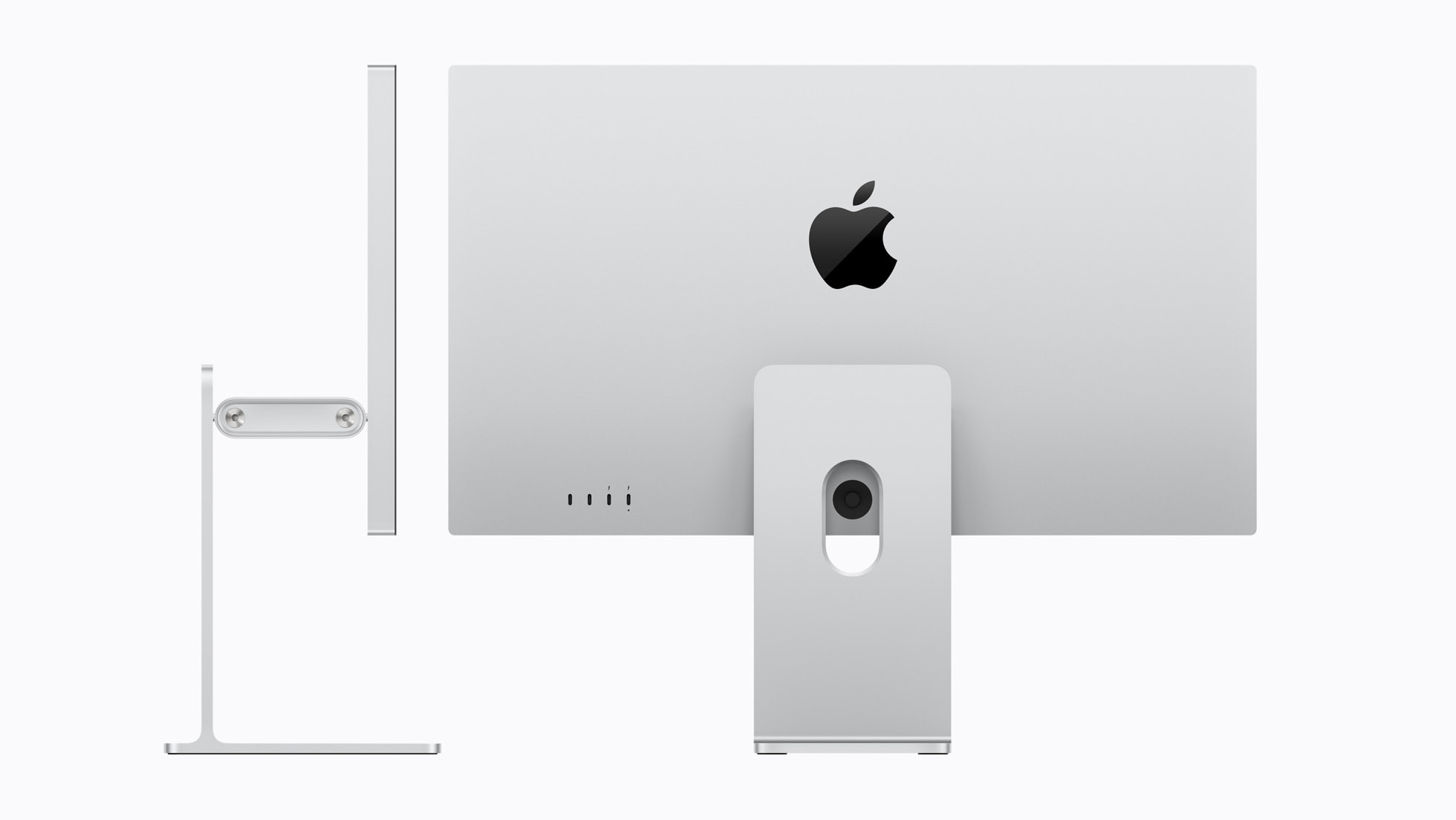
Studio Display — 27" 5K Retina (5120×2880), brightness up to 600 nits, color gamut P3. Camera: 12 MP with support for Center Stage and a Desk View mode for showing the work surface. Audio: three studio‑quality microphones and six speakers with Spatial Audio. Connectivity: two Thunderbolt 5 ports and two USB‑C ports; with the included cable — up to 96 W power delivery (enough for fast charging a 14" MacBook Pro).
Studio Display XDR — 27" 5K Retina XDR with mini‑LED backlighting and 2,304 local dimming zones. SDR brightness — 1000 nits, peak HDR — up to 2000 nits, contrast — 1,000,000:1. Supports 120 Hz with Adaptive Sync (47–120 Hz) and extended color profiles P3 and Adobe RGB. Ports are the same: two Thunderbolt 5 and two USB‑C; power delivery — up to 140 W (suitable for the 16" MacBook Pro).
“These displays are designed for professionals who require the highest color accuracy and wide dynamic range.”
— Apple, press release
Who this benefits in Ukraine
In short — those who work with color fidelity and detail: photo studios, post‑production houses, design studios, architects, medical imaging centers and companies that produce geo/cartographic visualizations. For freelancers, price may be a barrier, but for studios and clinics — this is a tool that reduces time spent on calibration and improves the quality of project outputs.
Prices and compatibility
Starting prices: Studio Display from $1,599; Studio Display XDR from $3,299. Technically both models pair well with the latest Macs: the MacBook Air with M5 (battery life up to 18 hours) and the new 2026 MacBook Pro with M5 Pro. For those already invested in the Apple ecosystem, the new displays offer a quick route to a workstation with a minimal number of adapters.
Conclusion: what this means in practice
Technically — this is a significant upgrade for the 27" monitor segment: mini‑LED, more dimming zones, high peak brightness and 120 Hz in the XDR model. Practically — the question remains economic: are Ukrainian studios and clinics ready to invest in expensive screens now? If yes — they will gain a tool that increases their competitiveness on the international market. If not — the market will likely wait for promotional offers, leasing or local partner programs.
Looking ahead
These updates underscore a trend: hardware development across the content‑creation chain (from chip to display) makes the Ukrainian creative industry technically stronger — provided equipment is accessible. Whether these displays become the new standard in our studios depends not only on technical advantages, but also on how quickly the market finds financing models and adapts them to local needs.