Apple halts Mac Pro production — what it means for professionals and the market in Ukraine
Apple confirmed to Engadget that the Mac Pro model has been discontinued. The decision is part of the shift to in‑house chips and a lineup optimization; for Ukrainian studios and procurement, it is a signal to reassess equipment and service strategies.

By Tetiana Suchkova-Ladik
March 27, 2026 · 2 min read
Apple’s position and the facts
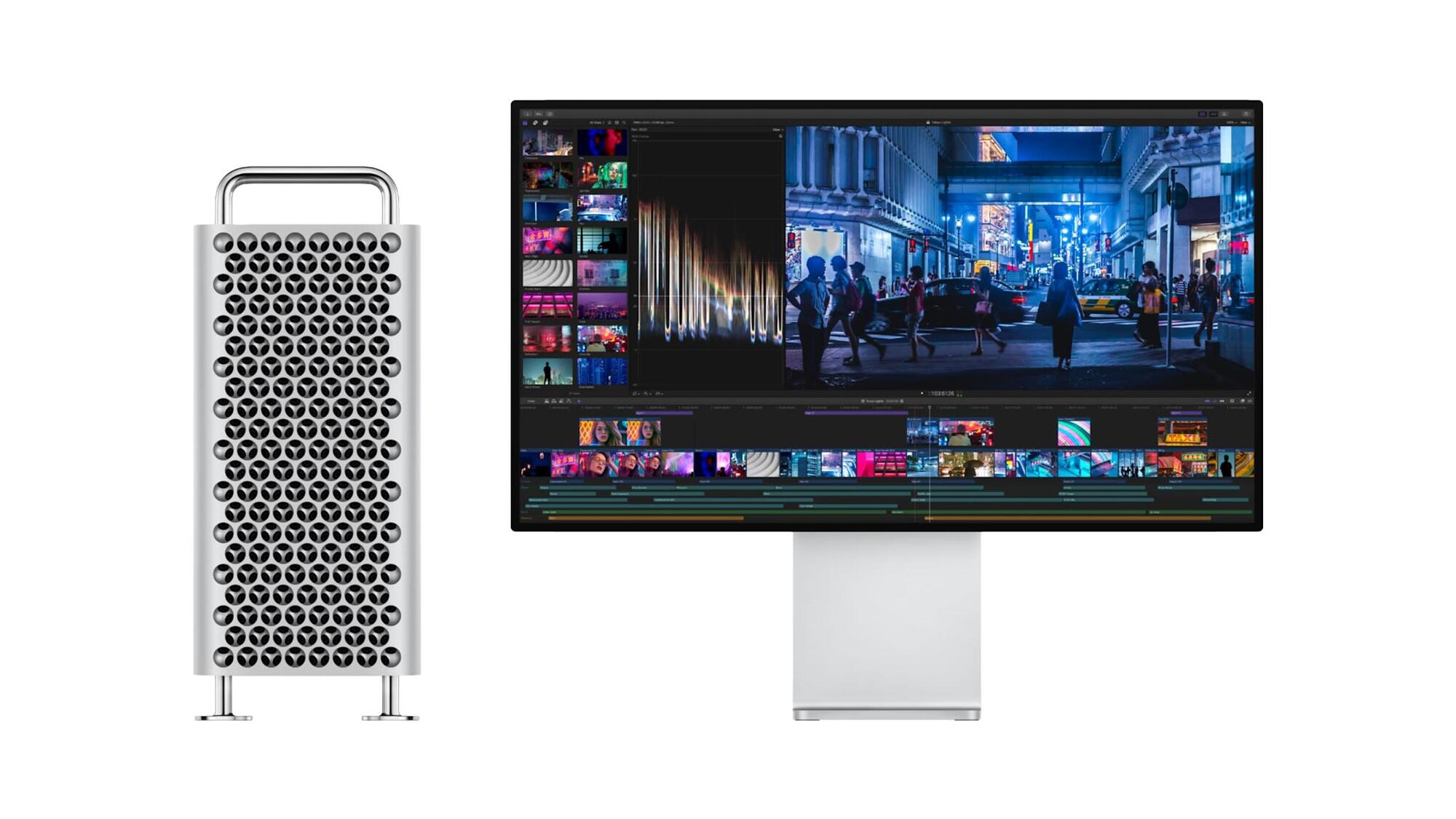
The company confirmed to Engadget that the personal computer Mac Pro has been officially discontinued — the device is no longer listed on Apple’s official website or in the Apple online store.
“The Mac Pro has been discontinued.”
— Apple, comment to Engadget
Why this happened: technology and business logic
This decision is not accidental. The Mac Pro in its modern design debuted in 2019 based on Intel processors with an emphasis on upgradability and modularity. In 2020 Apple began a systematic transition to its own Apple Silicon chips, and in 2023 updated the Mac Pro with the M2 Ultra processor — while the chassis remained virtually unchanged.
As analysts, including reporting from Bloomberg, have noted, Apple’s logic is simple: scale production and optimize the product portfolio around its own chips, where more compact systems like the Mac Studio receive priority. Duplicating product lines becomes inefficient in terms of costs and supply chains.
Consequences for professionals and businesses in Ukraine
For Ukrainian creative studios, post-production houses, and IT labs this has several practical consequences:
- Increased demand for the Mac Studio and Apple Silicon models as a direct replacement for rendering, editing, and development tasks.
- Higher prices and reduced availability of new Mac Pro modules; at the same time, the secondary market may offer interesting deals — it’s important to assess warranties and compatibility with modern standards.
- For public and private procurement this is a signal to diversify: when planning upgrades, consider alternatives (Mac Studio, workstations based on AMD/Windows) and provide for service support for the existing equipment fleet.
What experts recommend
Analysts emphasize: Apple is not abandoning the professional segment, but is transforming it around its own platforms and more compact solutions. For Ukrainian teams this means reassessing costs, logistics, and service contract arrangements.
“The discontinuation of the Mac Pro is not the end of the professional line, but its reformatting under Apple Silicon and a different business model.”
— Market assessment, according to Bloomberg and Engadget
Brief outlook
Apple will likely continue to concentrate resources on its in-house chips and products that offer higher margins and are easier to scale. For Ukraine, this is a time to adapt procurement strategies and strengthen the local service and repair ecosystem — to avoid dependence on a narrow assortment of imported equipment.
The question is not whether the professional segment will disappear, but how quickly professionals will adapt to new hardware standards and where Ukrainian companies will find reliable technical support.