Apple releases AirPods Pro 3 "Year of the Horse" — what it means for buyers and the market
A limited holiday edition is available only in a few Asian regions; hardware-wise these are the same AirPods Pro 3, but the engraving and limited run may affect availability and the secondary market. We explain the main points quickly and without unnecessary hype.

By Tetiana Suchkova-Ladik
January 6, 2026 · 2 min read
Briefly
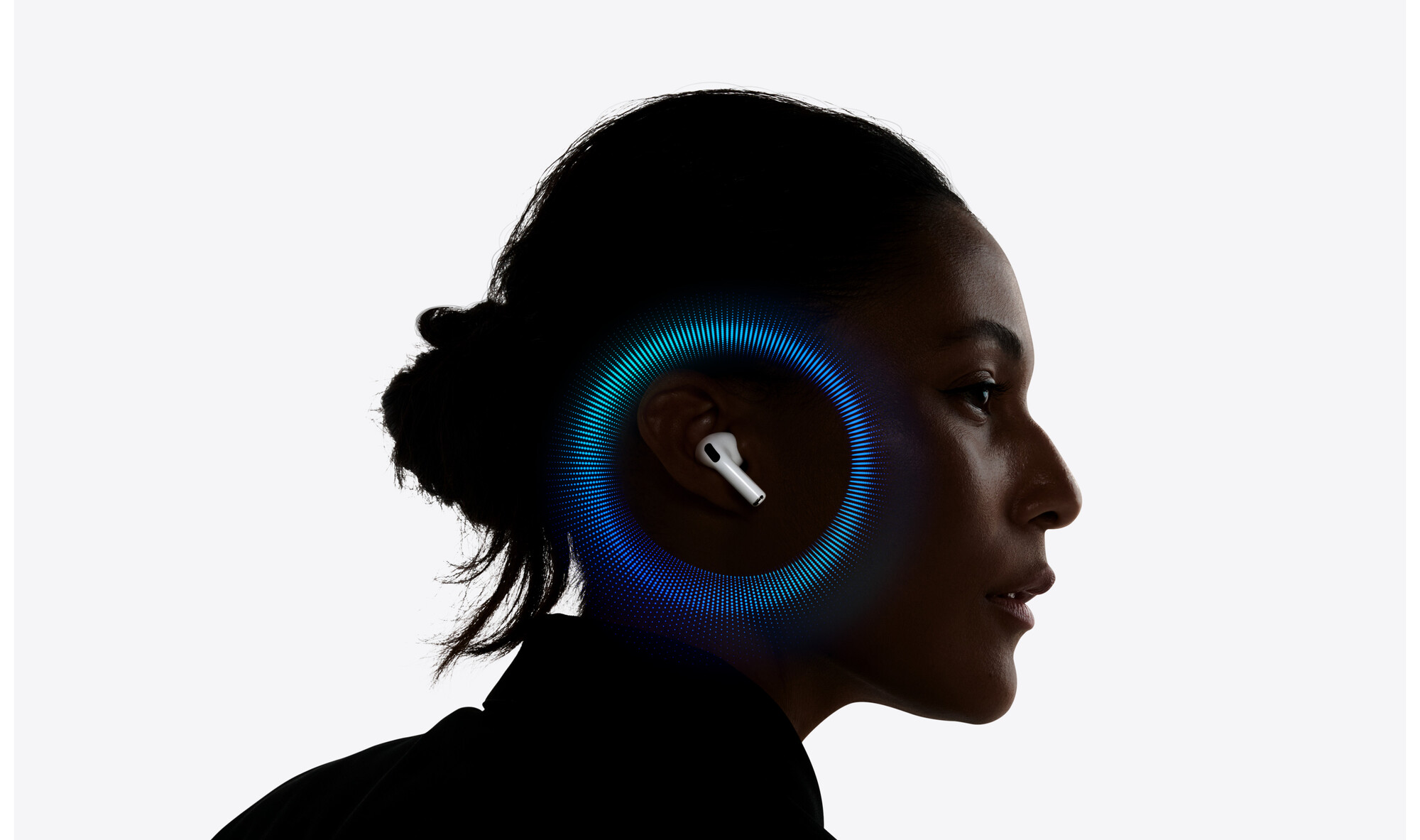
Apple announced a limited edition AirPods Pro 3 Year of the Horse for Chinese New Year. The model features a unique engraving in the form of a horse emoji and is offered only in China, Hong Kong, Taiwan, Malaysia and Singapore. Sales began on January 5, first shipments will start on January 8, and the offer will run while stocks last. Chinese New Year this year falls on February 17.
What's in the package — technical details
This is not a new model internally: in terms of specifications it is the same AirPods Pro 3 introduced on September 9, with improved sound, enhanced noise cancellation, an updated fit and support for pulse measurement. The festive version differs only in external design — the engraving — while the price remains the same as the regular model.
"The company creates similar limited editions for holidays every year."
— Official Apple announcement
Why it matters — a market perspective
Limited editions have three effects worth considering. First, they raise demand in the release region and feed the secondary market — which means potential markups for those who want to buy the device outside official channels. Second, keeping the same price signals Apple's marketing strategy: to mark a cultural event without creating a premium surcharge. Third, for the buyer, important factors are not only design but service metrics: the previous AirPods Pro 3 received a low repairability rating, and this should be taken into account when purchasing.
What this means for the Ukrainian consumer
Consumers outside Asia also feel the indirect effect of such releases. Importers and everyday buyers in Ukraine may encounter this version in secondary listings or among resellers — but it is usually accompanied by a premium and questions about warranty. If the limited-edition symbolism is important to you, it may be a reason to buy, but weigh the risks related to service and warranty compatibility.
Conclusion
Festive series like Year of the Horse are part of a larger marketing game: brands tie products to local holidays to increase market engagement without changing the technical offering. In the short term this creates hype and movement on the secondary market; in the long term it shows how global supply chains and product localization work. For the Ukrainian buyer the advice is simple: if you buy through resellers, check the warranty terms and assess your real needs — do you need this engraving specifically, or are service and repairability more important?