Apple Releases iOS 26.4 and iPadOS 26.4 — What the Update Brings for Users in Ukraine
New builds bring tools for music, accessibility improvements, and changes to family payments. We break down what Ukrainian users should know and why the update matters right now.

By Tetiana Suchkova-Ladik
March 25, 2026 · 2 min read
Brief and to the point
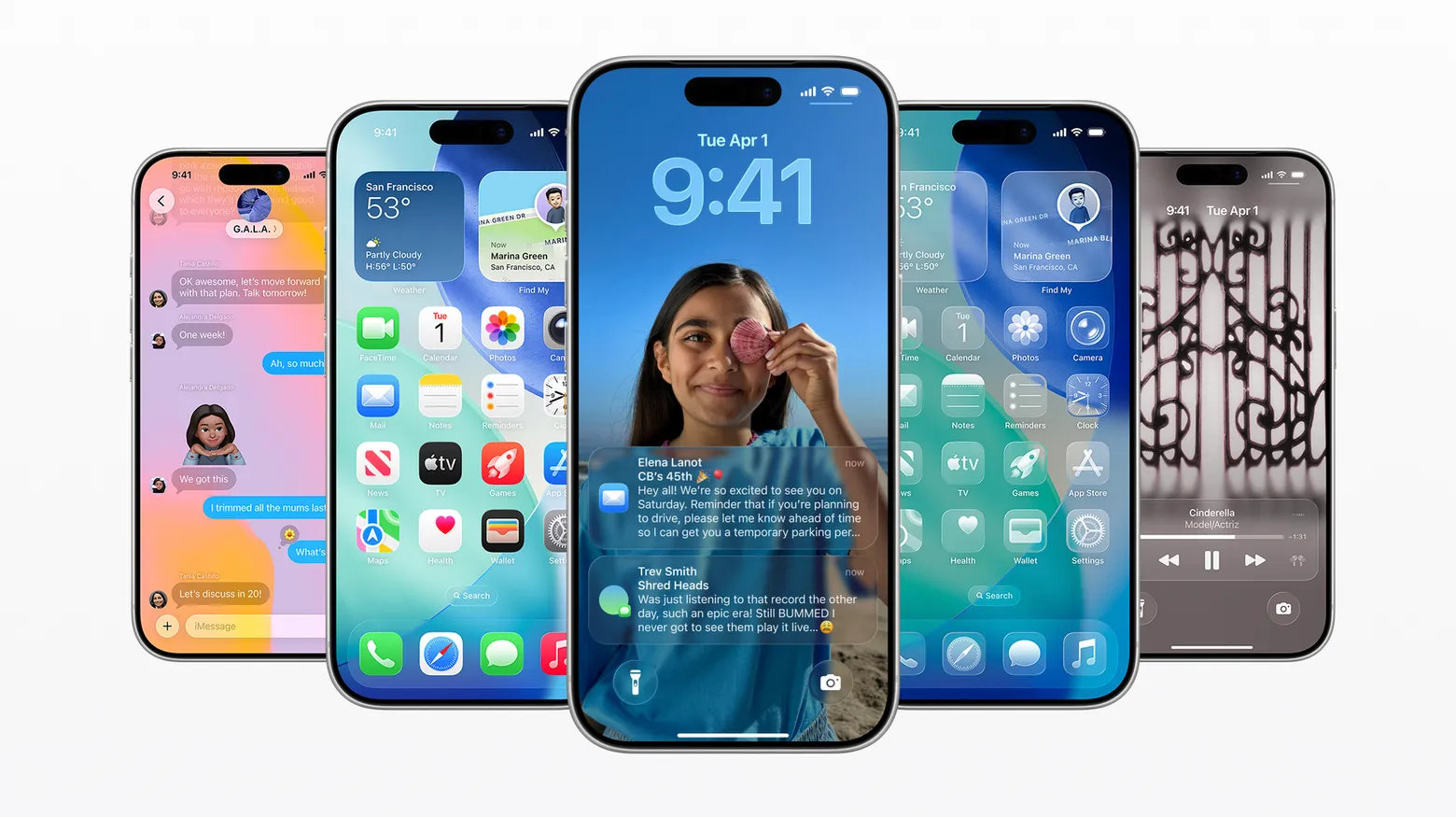
Apple has released iOS 26.4 and iPadOS 26.4 roughly six weeks after version 26.3. The updates are available for compatible iPhone and iPad models via Settings → General → Software Update. In the release note the company says the package includes features for Apple Music, accessibility improvements, keyboard fixes and changes to the Purchase Sharing mechanics.
Main news
Playlist Playground in Apple Music lets you create playlists from a text description — you describe a mood or situation, and the system generates a selection with a title and description. There are also concert recommendations, offline music recognition and new widgets featuring curated selections.
On the accessibility side, Apple added options to reduce bright visual effects and improved subtitle management — important for people sensitive to flicker and for easier consumption of video content in Ukrainian. Text input on the keyboard has been updated for better accuracy, and eight emoji have been added (for example, orca, trombone, ballerina).
Other changes: expanded tools for creating and editing images in Freeform, the ability to mark reminders as urgent, and corrections to Purchase Sharing — adult members of family groups can now use their own payment methods instead of the organizer’s payment details.
"This update includes security fixes and improvements to system stability, as well as features for Apple Music, accessibility and family payments"
— Apple, release note
Why it matters for Ukraine
First, Apple Music tools and concert recommendations expand opportunities for Ukrainian artists and event promotion as the live music market gradually recovers. Second, changes in accessibility and subtitle handling increase inclusion — this directly affects the quality of education, information security and media consumption for people with visual impairments or sensitivity to visual effects.
Third, the update to family payment mechanics has practical significance for Ukrainian families, volunteer groups and organizations that use shared subscriptions — it’s now easier to maintain financial autonomy within a single group.
What to recommend to users
Security experts and tech reviewers agree that such updates should be installed at the first convenient opportunity — especially if you use the device for work or shared family subscriptions. Before updating, make a backup and check compatibility of your critical apps.
Early signs indicate iOS 27 may focus on system optimization, so 26.4 looks like an interim update with a focus on services and accessibility.
Conclusion
The update brings a number of useful but not radical changes — they’re more about convenience, inclusion and subscription management. For Ukraine the practical effects matter most: music promotion, better access to content and more flexible family payments. Now it’s up to users and local developers to integrate the new capabilities into everyday workflows and life.