Apple Watch Without Touch ID: Company Chose Battery Over Biometrics on the Wrist
Apple deliberately abandons fingerprint scanner on smartwatch — and this reveals the real priority: health features and battery life matter more than unlock convenience.

By Oleg Bazylewicz
May 11, 2026 · 2 min read
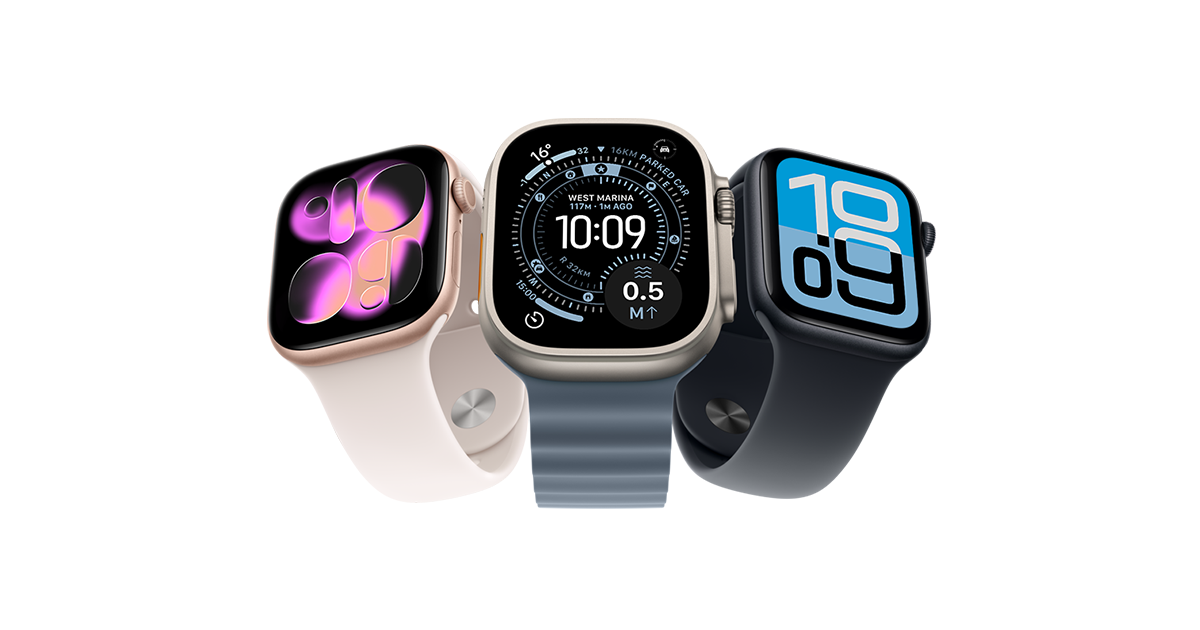
Apple Watch still cannot unlock without an iPhone nearby. For millions of users who exercise or simply leave their phone at home, this means the watch turns into an expensive pedometer — without access to payments, apps, and settings that require authentication.
Why Touch ID doesn't fit in the case
According to insider Instant Digital, integrating a fingerprint scanner physically competes with the battery: the sensor requires space inside the case that Apple is not willing to take away from the accumulator. Instead, the company is focused on increasing battery life and expanding medical functions — sleep monitoring, heart rate tracking, blood oxygen levels.
This is not a new dilemma. Apple has been balancing for years between the minimalism of the Apple Watch case and the appetite for new features. Each generation receives either a more powerful chip, a larger display, or new sensors — but not all at once, because the physics of a case less than 12 mm thick leaves no room for maneuvering.
What's really at stake
The absence of Touch ID is not just an inconvenience when unlocking. It's a limitation for scenarios where an iPhone is unavailable: Apple Pay on a run, authorization in medical apps, access to corporate systems. As long as the watch relies on Bluetooth connection to the phone or a PIN code, it remains a peripheral device — despite Apple positioning it as a standalone health gadget.
A watch that measures your heart rate around the clock but cannot verify your identity without a phone — this is an architectural contradiction that Apple is currently resolving not in favor of the user.
RazomUA
The alternative to Touch ID — authentication via Face ID on iPhone or entering a code — remains the standard, despite competitors (including some Android smartwatches) already offering built-in biometrics on the wrist.
Apple's priorities: medicine beats convenience
The choice in favor of battery and health sensors is a bet on the regulatory medical market. Apple actively promotes Apple Watch as a medical device: ECG, atrial fibrillation detection, body temperature sensor. Each new sensor requires space, energy, and certification. Touch ID in this hierarchy is a convenience, not a medical necessity.
- Autonomy — the key complaint from Apple Watch users across all generations
- Health API — the foundation for partnerships with clinics and insurance companies
- Touch ID — improves UX, but doesn't open new markets
If Apple truly launches an Apple Watch with battery life exceeding two days and a new medical sensor in 2025–2026, the question of Touch ID will most likely remain open for one more generation. But if competitors offer reliable wrist biometrics along with comparable health features — Apple will have to reconsider what it's willing to sacrifice for a case the thickness of a coin.



