Archer Fiber: fiber-optic FPV drone for the U.S. and Israel — free of Chinese components, NDAA-compliant
A new FPV drone with fiber‑optic control boosts resilience to jamming and interception. It’s not just a technological novelty — a signal to allies of readiness to deliver supplies under the NDAA and a step toward more reliable supply chains to the front lines.

By Tetiana Suchkova-Ladik
December 16, 2025 · 2 min read
What happened
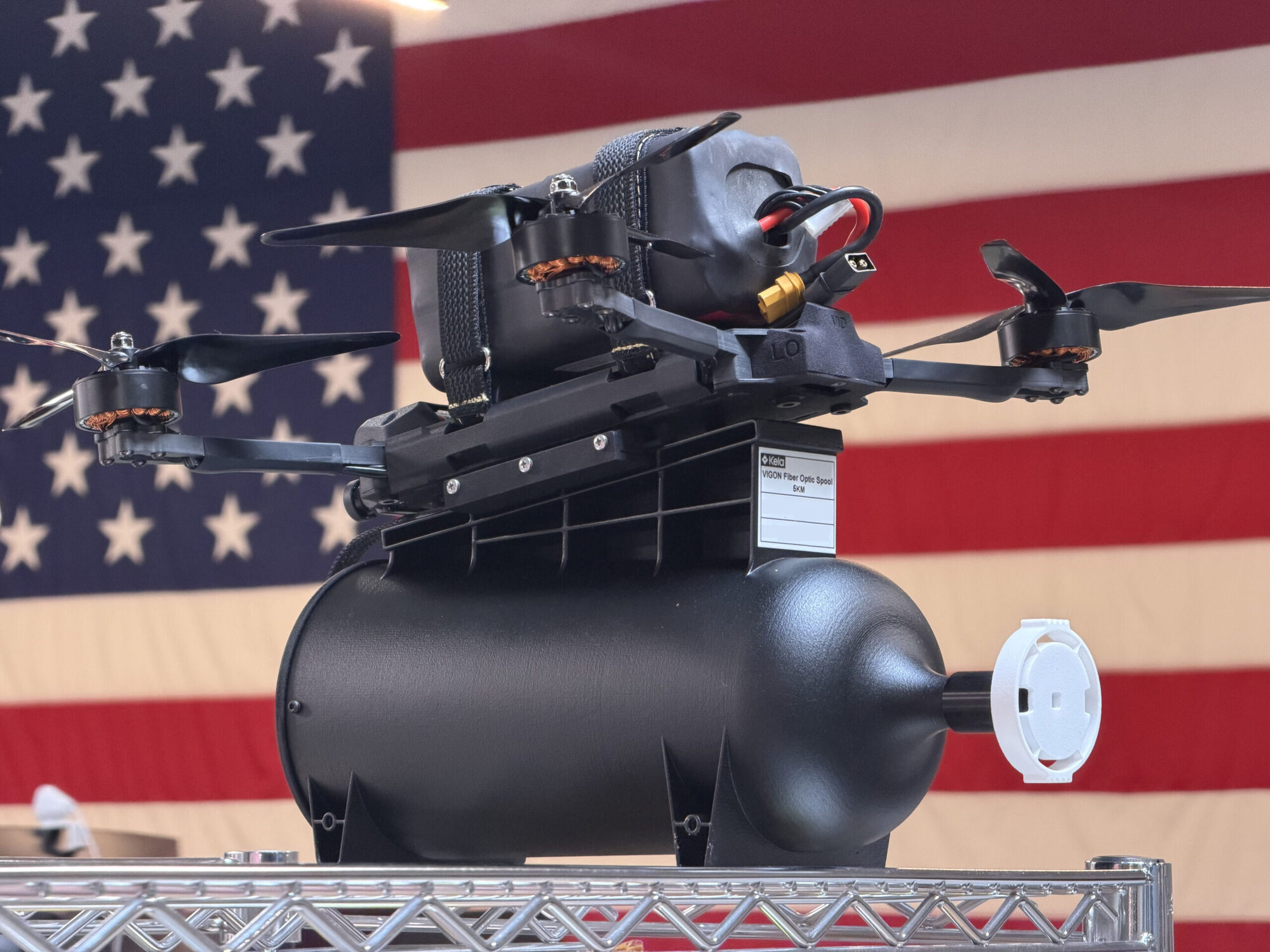
American Neros Technologies together with Israeli Kela Technologies introduced the Archer Fiber — an FPV drone controlled via a fiber‑optic cable, NextGenDefense reports. The new product is declared fully compliant with NDAA requirements and contains no Chinese components. Serial production is planned to begin in 2026, and orders are already open.
Technical nuance: why fiber optics matter
Unlike standard FPV systems that transmit video and control over radio channels, the Archer Fiber uses a fiber‑optic cable. This provides two key advantages: resistance to electronic jamming and a much lower likelihood of signal interception. In strike and reconnaissance operations this means the ability to operate in environments where wireless communications effectiveness is critically reduced.
'Fiber‑optic control allows maintaining high‑quality real‑time video transmission even under active jamming',
— representative of Neros Technologies
Political and logistical context
Besides tactical advantages, NDAA compliance is important: with no Chinese components, the Archer Fiber can be supplied to the U.S. military and allies without legal obstacles. For defense procurement this reduces risks and accelerates supply decisions. NextGenDefense analysts note that producing such systems in a U.S.‑Israel partnership is part of a broader trend toward trusted supply chains in the defense sector.
What this means for Ukraine
For Ukraine the priority is to equip the front with technologies that work in challenging electronic warfare conditions. Technological solutions that comply with the NDAA and do not depend on risky suppliers are easier to integrate into operational logistics and to scale up. At the same time, the development of production in Europe — for example, the joint project by Frontline and Quantum Systems in Germany — signals growing readiness among partners to offer alternatives and ramp up manufacturing capacity for allies' needs.
'This is an example of how technical innovations and political restrictions are turning into an incentive to create more reliable supply chains',
— a security technology expert (anonymous comment to NextGenDefense)
Conclusion
Archer Fiber is not just a new drone. It's a signal: defense technologies are increasingly infused with demands for supply‑chain security and resilience against electronic threats. For Ukraine and its partners the key question now is not only the availability of the technology, but the rapid conversion of declarations into real deliveries and production able to operate precisely where the radio channel no longer meets the demands of combat reality.



