Artemis II scheduled for April 1: Orion's first crewed flight and why it matters
NASA announced new launch dates for the crewed Artemis II mission — the primary window is April 1 with a backup date of April 2. We explain what lies behind the delays, which technical risks still need to be resolved, and why the success of this mission matters beyond the United States — in particular for Ukraine’s technology ecosystem.

By Tetiana Suchkova-Ladik
March 13, 2026 · 2 min read
Briefly on the date and schedule
NASA plans a new attempt to launch the crewed Artemis II mission on April 1: the primary launch window is 6:24 p.m. Eastern U.S. time, the backup window is April 2 at 7:22 p.m. The agency expects about four launch opportunities between April 1 and April 6.
What engineers are doing now
The rocket will be rolled out to the launch pad at Kennedy Space Center on March 19; until then checks and technical work continue. NASA stresses that the launch will occur only after all checkouts and tests are complete — this is standard practice for crewed missions, where allowable risk must be minimal.
"The Artemis II mission will be the first crewed flight of the Artemis program."
— NASA
Why the launch was repeatedly delayed
Previous postponements were linked to technical problems during the dress rehearsal: in particular, engineers found a blockage in the helium flow in the upper stage, so the stage was removed and sent for additional inspections and repairs. Such failures are unfortunate but expected at the integration stage of complex systems.
What’s really at stake
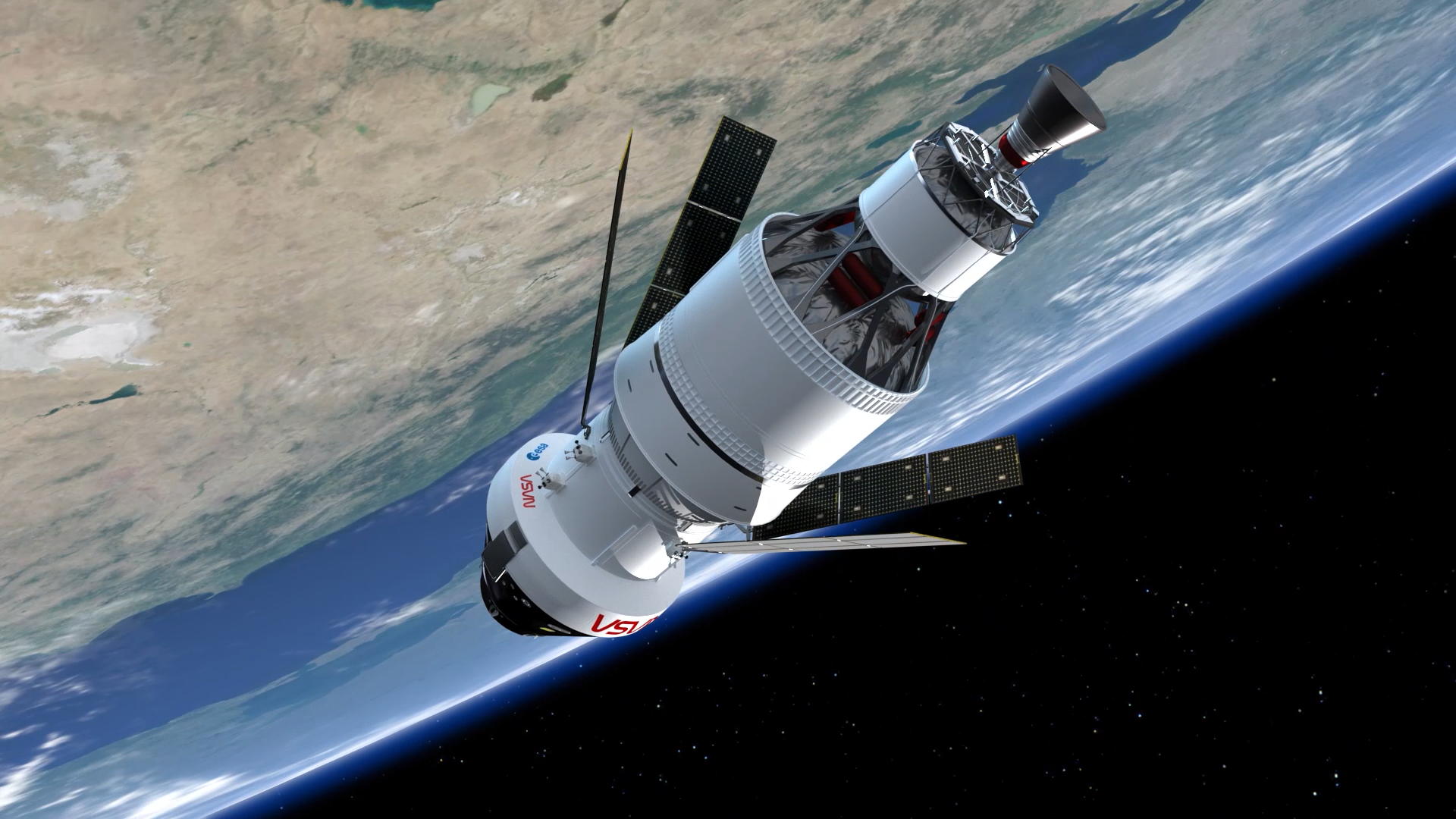
Artemis II is about a 10-day flight: four astronauts aboard the Orion spacecraft will orbit the Moon and return to Earth. A successful flight will lay the technological and procedural foundations for subsequent missions and for work with new life-support, navigation, and communications systems.
How this could be useful to Ukraine
Even without Ukraine’s direct participation in the program, that doesn’t mean Artemis II’s success is irrelevant to us. A steady cadence of launches by major partners demonstrates a return on investment in complex technologies, the development of supply chains, and safety standards — all of which creates additional opportunities for international cooperation in defense, space services, and high-tech exports. Experts note that the technological multipliers from space programs often have civilian and defense applications, which can be useful for rebuilding and modernizing Ukraine’s industry.
Summary
April 1 is more than a calendar mark: it is a test of organizational procedures, system reliability, and teams’ readiness to operate under heightened responsibility. Now the ball is in the engineers’ and mission controllers’ court: if they pass all the checkouts, the coming months could be the countdown to larger-scale expeditions to the Moon and beyond.