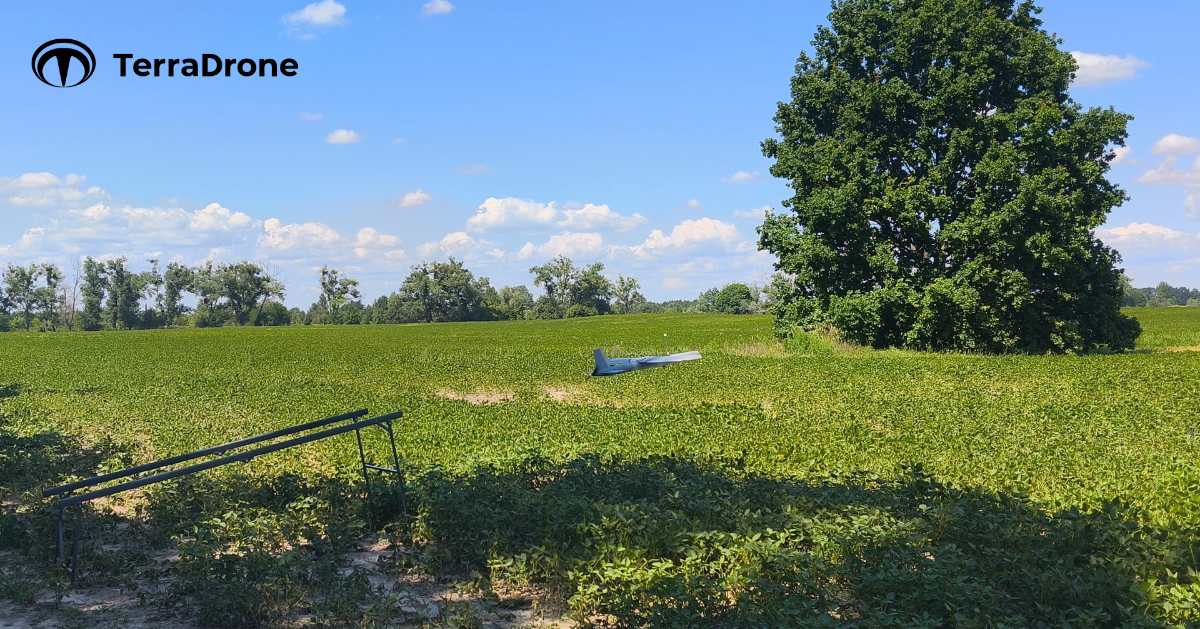
"Grandma" got cheaper with logic: how a drone for 100 thousand hryvnias received a Sony camera and became more serious
TAF Industries has upgraded the "Babka" reconnaissance drone with a new Sony 3MP matrix, 30x zoom, and improved aperture — without changing the price. According to the manufacturer's concept, the drone is designed to fill the niche between a multicopter and the expensive "Leleka": situations where it would be wasteful to send complex equipment.

By Tetiana Suchkova-Ladik
May 21, 2026 · 2 min read
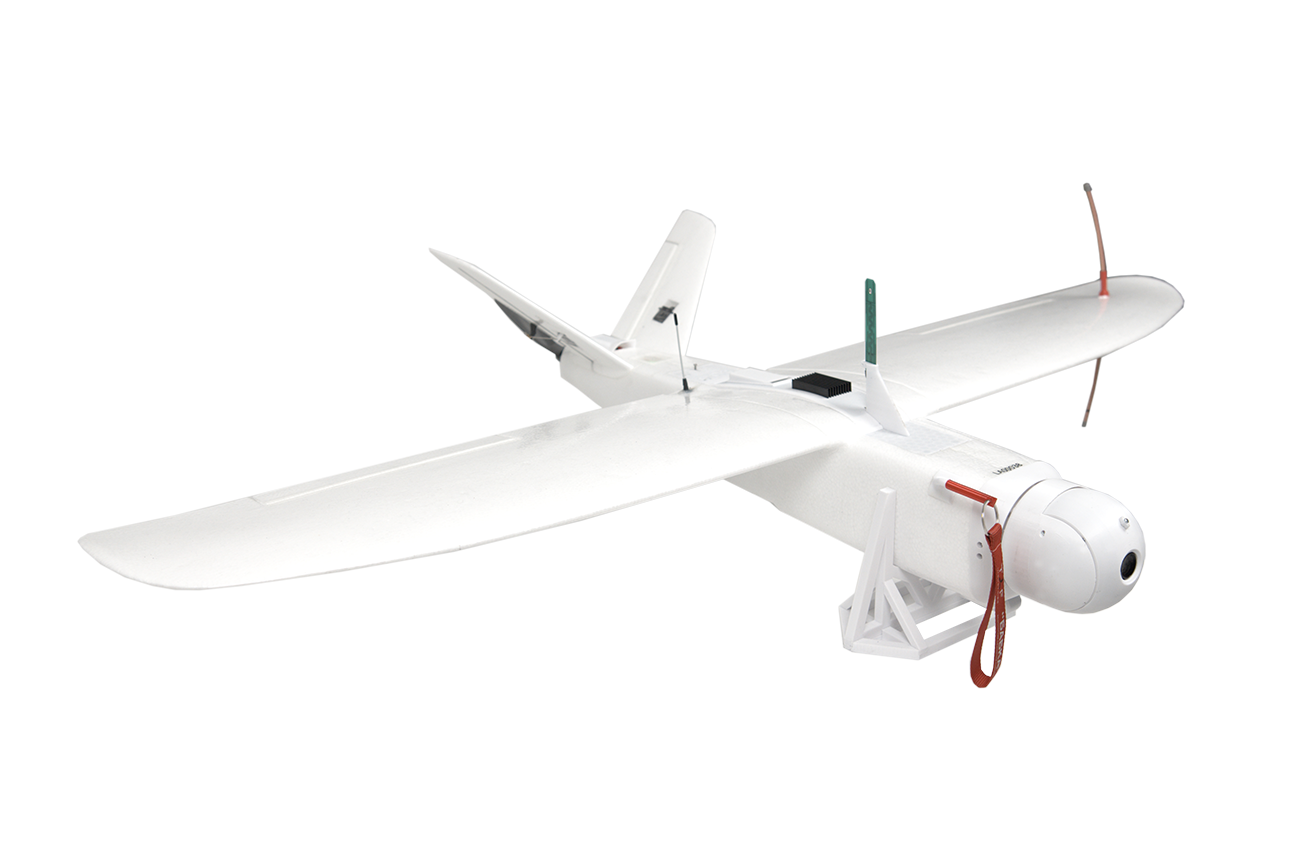
While most drone manufacturers compete on specifications, TAF Industries bet on a different variable — loss cost. The updated Babka reconnaissance drone received a better camera but remained in the same price range: one unit — approximately 100,000 UAH, a complete complex with four aircraft and a ground station — about 1.1 million UAH.
What changed inside
After modernization, the drone received a 3 MP Sony matrix with Full 2K recording support. Increased aperture allows operation in low light and cloudy weather — critically important for reconnaissance at dawn or on overcast days. Optical zoom increased to 30x, signal processing algorithms were updated, and the design was partially changed.
However, according to TAF Industries, the cost of the complex remained unchanged — a rare precedent in the market where upgrades almost always mean additional costs.
Why the military needs a "cheap" reconnaissance drone
The context of the upgrade is not marketing but a specific tactical problem. As TAF Industries representative Vladislav explained at DemoDay in September 2025:
"Babka is a supplement to your crews and a tool that you can send to those points where you're afraid to send more expensive reconnaissance and correction drones."
TAF Industries representative, DemoDay, September 2025
The brigades that participated in developing the drone also use Leleka and Shark — technically more complex and significantly more expensive systems. Babka does not compete with them but fills the risk zone: places where it's a waste to send expensive equipment.
The cheap drones market
"Babka" is not the only player in this niche. As Oborona publication notes, in autumn the company Vyriy Industries presented a competitor — the Sokil reconnaissance drone with similar parameters: hand or catapult launch, 30x zoom, range up to 50 km, flight duration 2–2.5 hours.
Manufacturers' positions on the future of the segment differ. TAF Industries believes that cheap drones will gradually push out expensive units at tactical distances of 40–60 km. Vyriy and Brave1 think differently: cheap drones are not a replacement but a separate segment with its own application logic.
- Where cheap drones are more effective: areas with active interceptor drones, where there is a high probability of losing an aircraft
- Where expensive systems will remain: special operations, areas with lower "short-range air defense" threat, missions requiring higher image and communication quality
Babka underwent codification in the Ministry of Defense back in May 2025 and is available through the DOT-Chain Defence procurement system, the E-balls system, and TAF's own Bonus program. Some components are of Chinese origin: the manufacturer openly states that maximum localization was not a goal from the start — the goal was a low price for mass production.
If the cost of losing an aircraft has truly become the main tactical selection criterion for a reconnaissance drone — the next question is not about camera specifications but about whether the Armed Forces have systematic logistics for replacing an aircraft within a day after it is shot down: this is what will determine whether "cheapness" becomes a real advantage in the field.