Bell X‑76 SPRINT: Vertical takeoff for operations from damaged airfields — what it means for Ukraine
DARPA is moving the Bell X-76 project from concept into a series of tests — it is not only a technological experiment but also a potential tool for tactical logistics in the demanding conditions of combat.

By Tetiana Suchkova-Ladik
March 10, 2026 · 2 min read
What was reported
The US Defense Advanced Research Projects Agency (DARPA) announced that the Bell X‑76 SPRINT program has moved from the conceptual phase into production and preparation for flight testing. This means the program passed a critical design review and is now preparing a demonstrator vehicle.
"By moving into the production phase, we are laying the groundwork for practical testing and evaluating the platform’s combat capabilities in real-world scenarios"
— DARPA press service
How it works
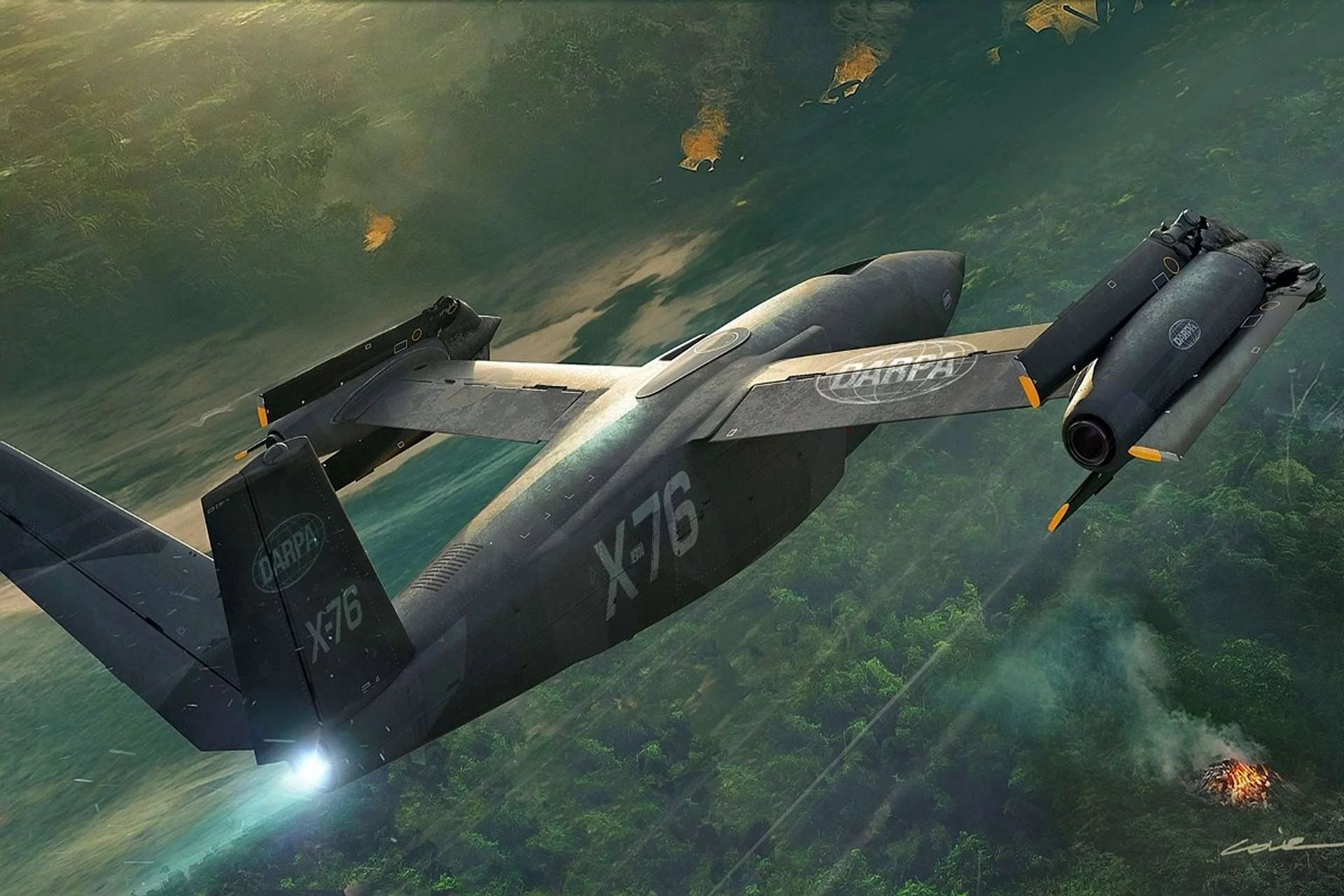
The Bell X‑76 is being developed as a high‑speed aircraft with vertical takeoff and landing (VTOL). The design calls for rotors at the wing tips that lift the aircraft vertically at takeoff, then stop, fold, and allow the vehicle to transition to high‑speed horizontal flight.
Expected performance includes a cruise speed of about 400–450 knots. The first flight tests of the demonstrator are scheduled for 2028.
Practical significance for Ukraine
The ability for an aircraft to operate from sites without a traditional runway has several important implications in the context of war and the restoration of logistics:
- Mobility and endurance: the ability to base from temporary, damaged, or improvised sites reduces dependence on large airfields that are vulnerable to strikes.
- Medical evacuation and rescue operations: rapid vertical takeoff/landing can shorten evacuation times for the wounded and speed delivery of critical cargo to areas with limited infrastructure.
- Logistical resilience: VTOL platforms increase the resilience of supply chains, especially in situations of partial or temporary loss of ground infrastructure.
Limitations and realities
It is important to remain realistic: the X‑76 is a demonstrator aircraft transitioning to testing. Mass production and export solutions depend on test results, export control policies, and the economic feasibility of production.
What’s next
The first flight tests in 2028 will be a key milestone. If the technology confirms its performance and achieves commercial adoption, it could open additional options for Ukraine in tactical logistics and evacuation. Today, it is important to follow not only the project itself but also how partners plan to translate demonstrator solutions into serial deliveries and support.



