Blocking Telegram not a priority: most Ukrainians favor control, not a ban
After a series of terrorist attacks, public opinion has become clearer: not to disable the messenger, but to make it more accountable to law enforcement. We analyze a Rating Group survey and what this implies for security.

By Tetiana Suchkova-Ladik
March 3, 2026 · 2 min read
Introduction
Putting emotions aside and analyzing the facts: when it comes to security, Ukrainians choose a measured approach — control instead of a total ban. That is what the latest survey by the sociological group Rating Group showed, and this position has practical implications for government decisions.
What the survey showed
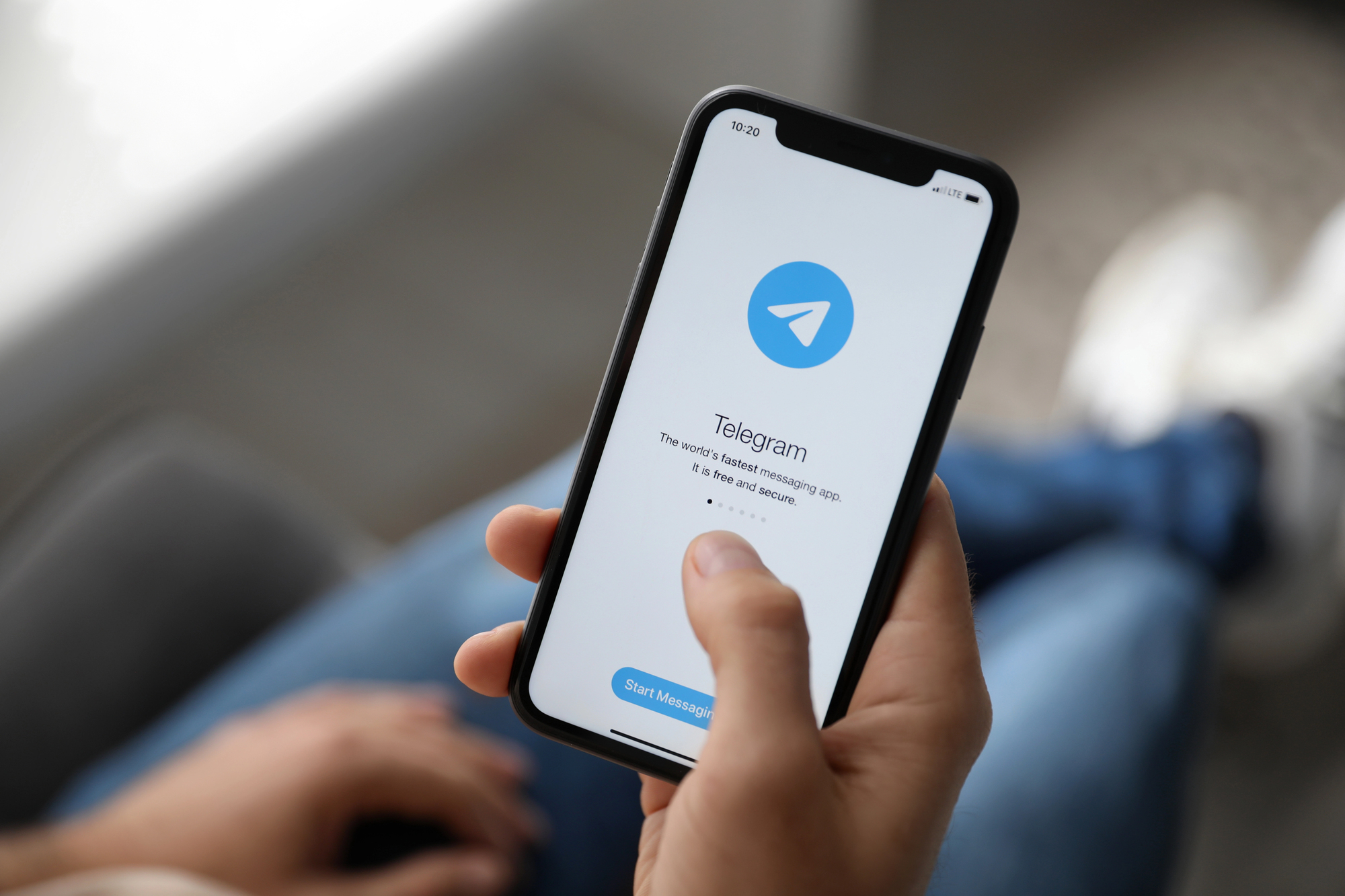
Telegram remains a mass communication tool: in the past month it was used by 67% of respondents. Of those, 38% access the messenger very often, another 20% — often; 17% did not use it at all.
Regarding personal safety, 72% of respondents believe that Telegram does not affect their safety, 15% assess the impact as positive and 8% — as negative. On the issue of national security opinions were split: 28% see a negative impact, 13% — a positive one, 35% see no impact, and 25% — are undecided.
Context: attacks and the authorities' reaction
The survey results became particularly salient against the backdrop of recent acts of violence: on the night of February 22 a terrorist attack occurred in central Lviv, where a police officer was killed and about 25 people were injured; similar incidents were recorded in Mykolaiv and Dnipro.
- February 22 — an explosion in central Lviv; a police officer was killed, 25 people injured.
- The next day — incidents in Mykolaiv (seven law enforcement officers wounded) and an explosion at a police station in Dnipro.
After the escalation, Interior Minister Klimenko spoke in favor of tightening regulation of Telegram. In the ministry's press service, according to LIGA.net, they openly acknowledged that completely banning the messenger is unrealistic.
“Completely banning the messenger is unrealistic.”
— Press Service of the Ministry of Internal Affairs, LIGA.net
What this means for security and freedom
The survey is an indicator: Ukrainians value the availability of communications (for family, business, volunteering and coordination) while also expecting the state to act more effectively in preventing crimes. Therefore radical measures — a full blockade — carry a number of negative consequences: undermining operational communication, harming civilians and complicating the work of security forces.
Experts and analysts point out that more effective will be targeted tools — technical cooperation with the platform, rapid response to channels that coordinate violent actions, judicial mechanisms to block specific resources, and transparent control procedures that do not undermine freedom of speech.
Conclusion
Public opinion sets a simple task for the authorities: protect people without losing useful communication tools. The next step is to turn statements about regulation into concrete, lawful and effective mechanisms. Whether the authorities and platforms find a balance between security and freedom depends on the speed, transparency and technical capacity of the solutions.