BMW tests the new i3 on ice: what the Neue Klasse platform brings to the electric vehicle market
An i3 prototype was tested on a frozen lake in Sweden — this wasn't a stunt, but a validation check of the electronics, drivetrain, and battery. We examined why these tests matter for efficiency, charging, and competitiveness — and what the implications are for supply chains, including for Ukraine.

By Tetiana Suchkova-Ladik
March 5, 2026 · 2 min read
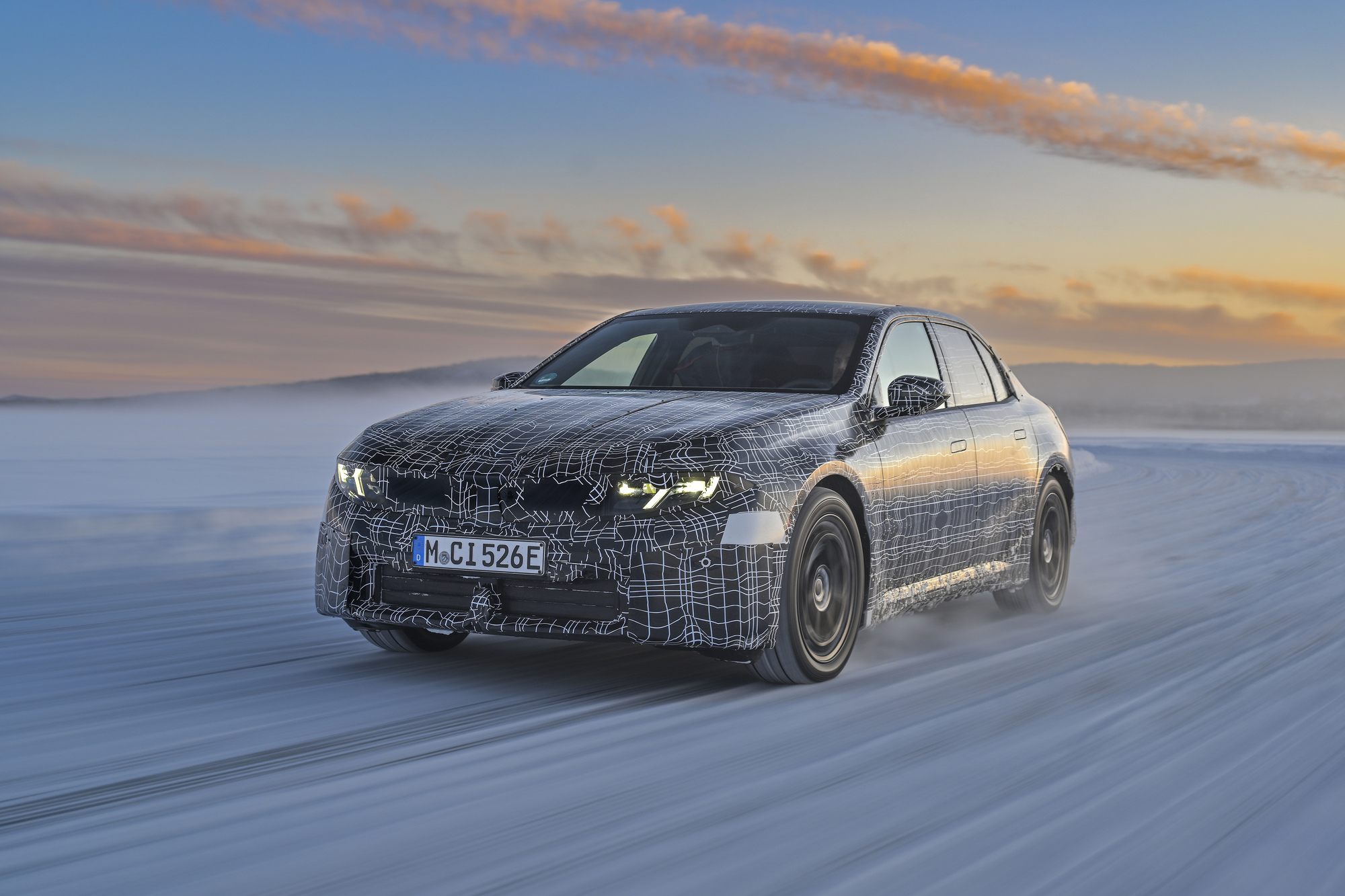
Ice test — a check in conditions where mistakes become immediately apparent
BMW conducted road trials of a prototype of the new electric sedan i3 on a frozen lake in Sweden to verify the operation of the all-wheel drive, stability and regenerative braking systems under conditions of critically low grip. According to the company, this is a standard part of development — but it is in extreme conditions that software and integration flaws become visible, flaws that are not noticeable on asphalt.
"Tests on ice allow us to verify the integration of all-wheel drive and recuperation systems in conditions where every electronic response is critical for safety and controllability."
— BMW, press service
What's new in the i3 and why it matters
The new i3 is built on the Neue Klasse platform. It introduces a battery design with cell-to-pack technology, a new electronic architecture and modernized control systems. In practice this means improved energy efficiency, faster charging and more precise coordination between the motor, brakes and stability system.
During the tests they used the i3 50 xDrive version with two electric motors, all-wheel drive and approximately 463 hp. The system automatically distributes torque between the wheels, allowing control and stability even on ice — a critical scenario for testing traction and recuperation algorithms.
Heart of Joy, Panoramic Vision and what lies behind them
The i3 integrates the electronic platform Heart of Joy, which combines control of the motors, brakes and stability systems. This reduces delays in data exchange between subsystems and makes the car's response more predictable. The new Panoramic Vision interface — a wide display in the lower part of the windshield — concentrates the necessary information for the driver, reducing distraction during complex maneuvers.
Context for the market and for Ukraine
For the European market and supply chains, this is a signal of further tightening technological requirements: battery solutions like cell-to-pack and unified electronic architectures are becoming the standard. Analysts note that this opens niches for suppliers of modules and services for battery and software optimization — a potential opportunity for Ukrainian companies focused on components, repairs or software solutions for EVs.
What else to know
The official presentation of the BMW i3 is scheduled for March 18. At the same time, BMW is working to expand electric vehicle production through 2027; this coincides with a recent recall of some X3 crossovers due to steering system issues — a reminder that mass production places strict demands on quality and software control.
Conclusion: what's next?
The behavior of new technologies on ice is both a technical test and a marketing message: BMW is demonstrating that integrated platforms work in the toughest conditions. The question for Ukraine is whether our suppliers and developers can capture part of the value chain in the new electric vehicle architecture. That will determine not only export volumes but also opportunities for technological development within the country.



