Brave1 Dataroom: How Ukraine Is Training AI to Counter Enemy Drones
A secure combat-data repository built on Palantir solutions, access for Ukrainian developers and a channel for international algorithm exchange — what this platform will change for the front lines and partners.

By Tetiana Suchkova-Ladik
January 20, 2026 · 2 min read
Systemic work that affects the front
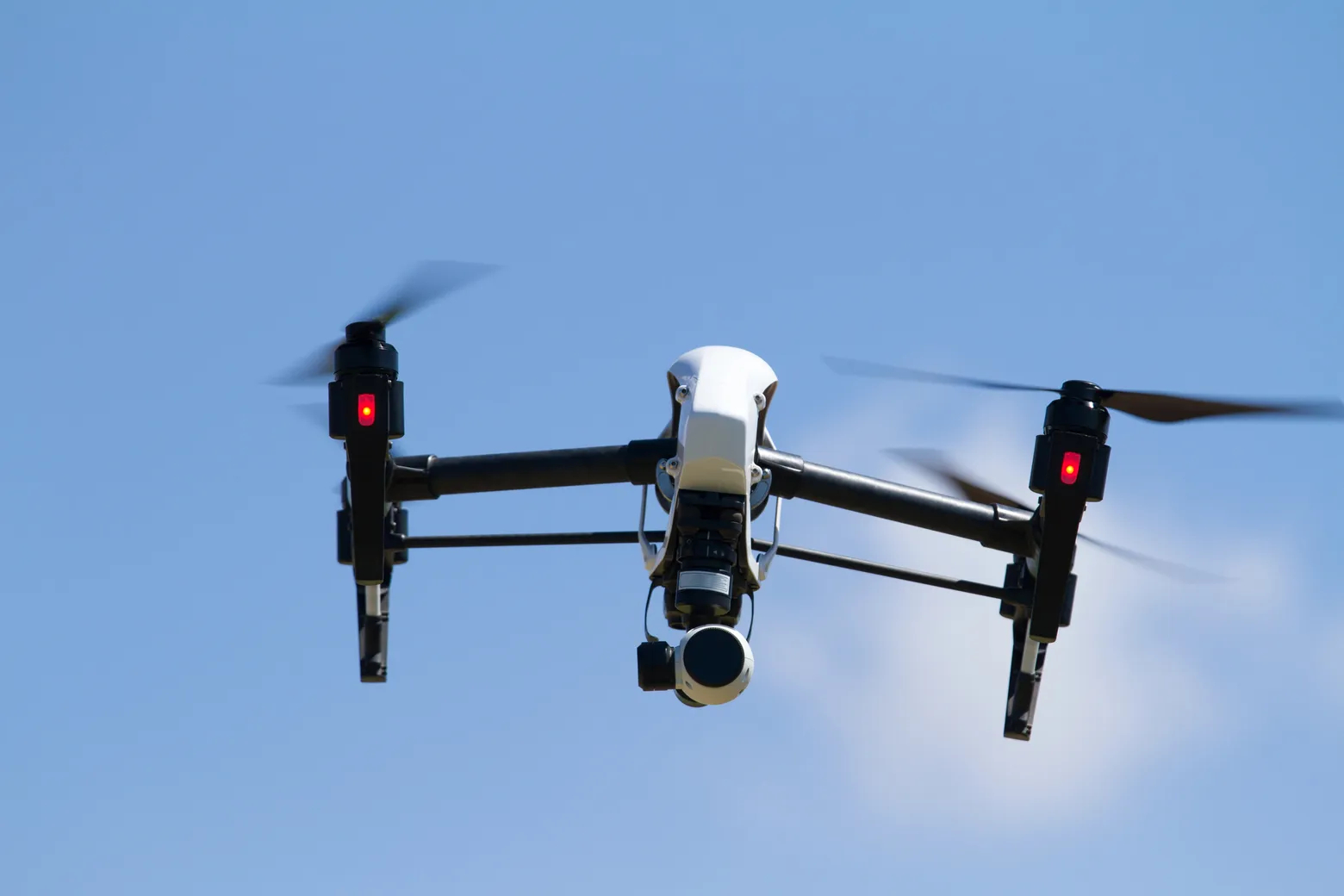
Ukraine has launched Brave1 Dataroom — a secure environment for training artificial intelligence models based on combat data. This is not a publicity move, but a pragmatic tool: the goal is to accelerate the development of algorithmic solutions for detecting and intercepting enemy drones, which regularly change tactics and technical characteristics.
What it is
The platform already contains visual and thermal databases of aerial targets, including samples of the Shahed type. The system is built on technical solutions from Palantir, known for its big-data analysis and defense applications.
How access and interaction will work
Ukrainian developers will gain access to Brave1 Dataroom after undergoing multi-level security vetting. The platform also provides a channel for sharing tested algorithms with international partners — provided access control and security standards are observed.
"Brave1 Dataroom is a secure environment for training AI models based on combat data, intended to accelerate the creation of solutions for detecting and intercepting enemy drones,"
— Ministry of Digital Transformation of Ukraine
Additional elements of the ecosystem
The project mentions Brave1 Market — a dashboard where manufacturers will be able to see how their drones perform in field conditions. At the same time, Ukraine has already begun testing technical countermeasures, including microwave weapons against UAVs; data from such trials can speed up the training and calibration cycle for algorithms.
Why this matters
First, it speeds up the adaptation of countermeasures: algorithms are trained on real "scenarios", not only on simulations. Second, a centralized and secure database allows Ukrainian teams to avoid repeating each other's mistakes and to share proven solutions. Third, using established industrial solutions (such as Palantir) increases the chances of integration with partners' systems.
Experts and defense analysts note: the key is not only the availability of data, but the ability to turn it into operational algorithms that work in real conditions. Access security and transparent rules for cooperating with partners will determine whether Brave1 becomes a catalyst for fast, scalable solutions.
Summary
Brave1 Dataroom is an example of how technology and systematic organization of data can give the country a practical advantage. Now it's a matter of implementation: will these tools turn into effective means on the battlefield, and how quickly will international partners be able to integrate the tested algorithms into their solutions?