Budget 12.9-inch MacBook with A18 Pro: Apple becomes more affordable — and what it means for Ukraine
According to Mark Gurman (Bloomberg), Apple may unveil in March 2026 a budget 12.9‑inch MacBook powered by the A18 Pro chip. We look into why the company is taking this step and what practical impact it could have on the Ukrainian market and education.

By Tetiana Suchkova-Ladik
February 17, 2026 · 2 min read
What happened
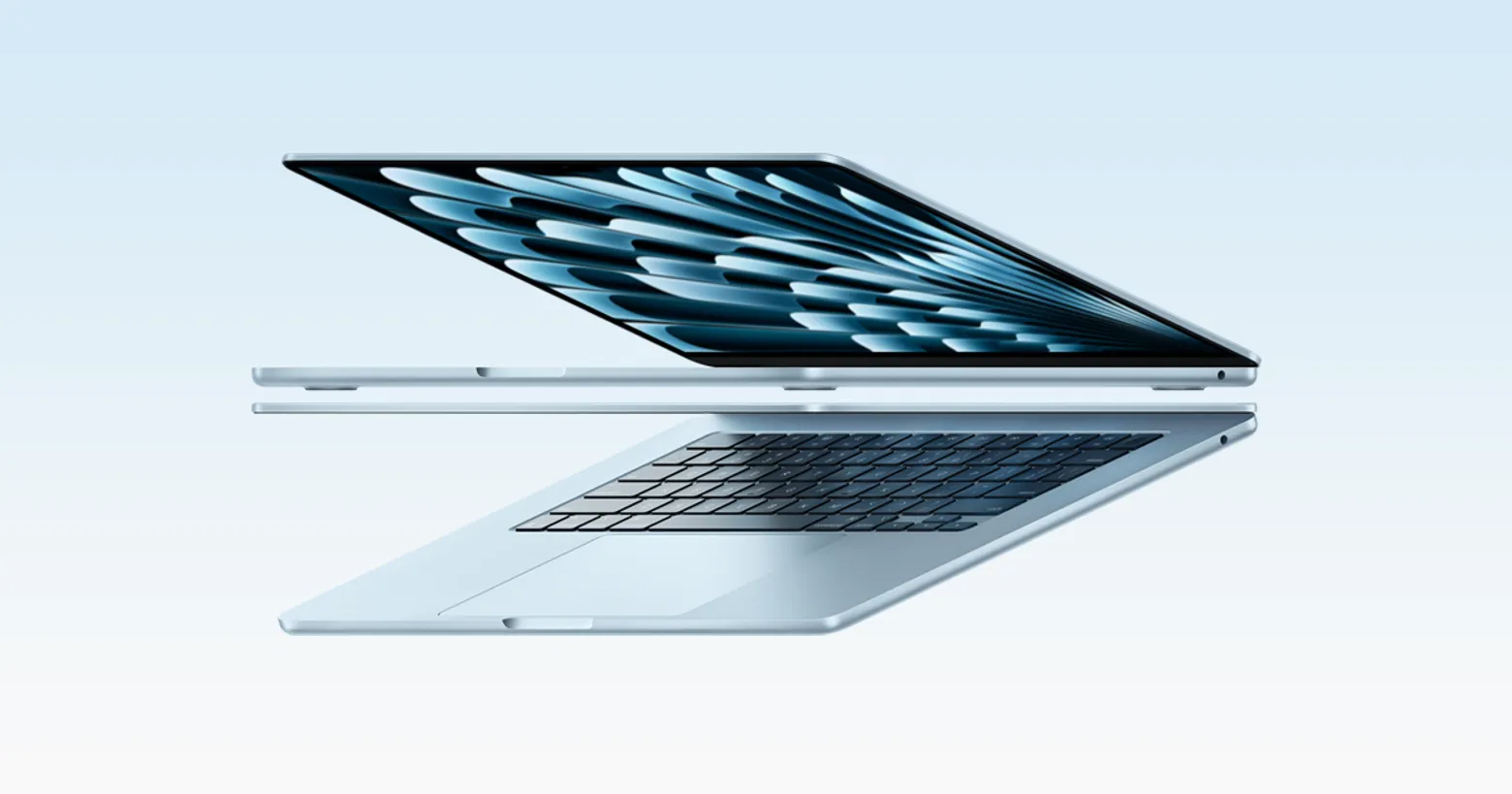
According to Mark Gurman of Bloomberg, Apple is preparing a new, more affordable version of the MacBook with a 12.9‑inch display, whose presentation could take place at an event on March 4, 2026. The price is expected to be in the $599–$799 range, and the processor is said to be the A18 Pro — the chip already used in the iPhone 16 Pro. If confirmed, the model would effectively move away from the M‑series line toward a mobile A‑series solution.
Why it matters (rationale)
The decision to use the A18 Pro is not just a technical detail. It’s a strategy that allows Apple to reduce the device’s production cost and offer a more competitive price, particularly in the education and mass‑market segments. Analysts and market observers say such a move could broaden Apple’s user base, but it also raises questions about performance and positioning compared with M‑chip models.
Technical highlights
According to available data, the new device will feature a 12.9‑inch IPS‑display and an aluminum body. Sources also mention possible use of technologies from Samsung. There are no official benchmarks yet, so it’s too early to compare the real‑world performance of the A18 Pro in a laptop with the M‑series.
What this means for Ukraine
First, such a MacBook could make the Apple ecosystem more accessible to students, freelancers, and small creative studios in Ukraine — provided there are supplies and stable logistics. Second, questions of service support and software compatibility remain key: even a cheaper model will require local infrastructure for maintenance and updates. Finally, if Apple begins to more actively test the A‑series in laptops, it could also change procurement approaches and donor programs that buy equipment for educational and humanitarian projects.
Market reaction
Bloomberg and leading tech media already note that Apple is experimenting with product categories, blurring the lines between tablets, phones, and traditional laptops. Market analysts see this as an attempt to occupy a lower price niche without completely abandoning the premium image — but it introduces new challenges for model positioning.
"Apple is preparing a new budget MacBook with a 12.9‑inch display, whose presentation may take place in March 2026."
— Mark Gurman, Bloomberg
Conclusion
If the reports are confirmed, it will be a sign that Apple is trying to broaden access to its platform through cheaper devices. For Ukraine, this could mean potentially more devices for education and creative projects, but also new standards of support and compatibility that need to be prepared for quickly. The next step is official announcements and practical tests — they will determine whether this model becomes a true tool of accessibility, and not just a marketing experiment.