Garmin's Caffeine Tracker: the watch will tell you when to have your last coffee so you don't lose sleep or productivity
A third-party Garmin app estimates caffeine levels in the blood, stores the data directly on the watch, and helps plan beverages — useful for medical personnel, volunteers and anyone who values nighttime rest during a demanding schedule.

By Tetiana Suchkova-Ladik
January 26, 2026 · 2 min read
Why this matters now
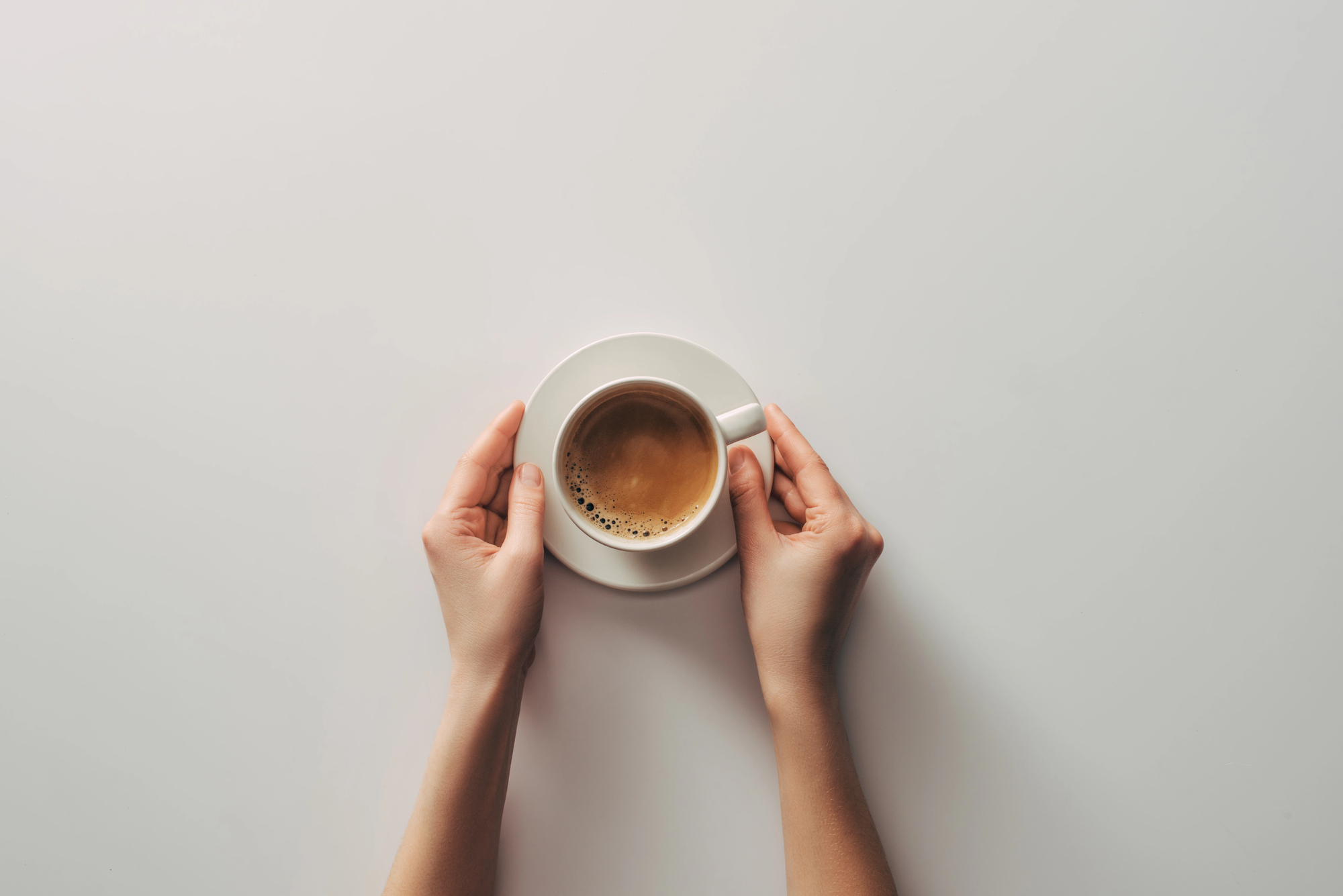
Caffeine Tracker is a third-party app for Garmin smartwatches that doesn't just count cups of coffee but estimates the current concentration of caffeine in the blood. For people with variable work schedules, those who combine night shifts with daytime activity, and anyone who monitors their sleep, it's a tool that turns guesses into numbers.
What the app does
Developer Ondřej Božek designed Caffeine Tracker so users can log consumed caffeine directly on the watch — without needing a smartphone. The app factors in body mass and the caffeine half-life to roughly estimate current blood concentration and suggest when it's best to take the "last cup" before sleep.
"Data are entered directly on the watch without a smartphone; it's convenient for those who are on the move all day."
— Ondřej Božek, developer of Caffeine Tracker
How it works and what to know
Caffeine levels are estimated mathematically, taking into account the user's weight and the elimination half-life. This is not a laboratory measurement, but such a model provides a practical, rational hint: when you can still allow yourself an espresso and when it's better to decline one to avoid risking sleep quality.
Who will find it useful
The tool will be useful for medics, rescuers, volunteers and defense personnel with irregular schedules, as well as anyone trying to maintain productivity without sacrificing nighttime recovery. Additionally, storing data locally on the watch adds convenience and privacy.
Compatibility and price
Caffeine Tracker is compatible with a number of Garmin models, including the Forerunner and Fenix series. The basic version is free; an extended subscription costs €4.90 (≈ $5.80) and provides additional statistics, the ability to manually adjust the caffeine half-life, and to set custom concentration threshold levels.
In the context of Garmin's ecosystem this is a logical addition: the manufacturer recently introduced the Quatix 8 Pro and Venu X1, underscoring the brand's focus on specialized features and long device battery life.
Conclusion
This is not a magic button for better sleep, but a practical tool for those managing energy and time on a tight schedule. For a country where many people work under intense conditions, simple and reliable hints about stimulants are a small contribution to health and efficiency. Now the question is up to the user: is it worth adding another digital tool to your daily routine — and how will it change your recovery routine?