ChatGPT Enters PowerPoint — Last Among Competitors
OpenAI has launched a beta ChatGPT add-on for Microsoft PowerPoint. Anthropic did this back in September 2024, and Microsoft Copilot has been built in from the start — so OpenAI is catching up rather than leading.

By Oleg Bazylewicz
May 22, 2026 · 2 min read
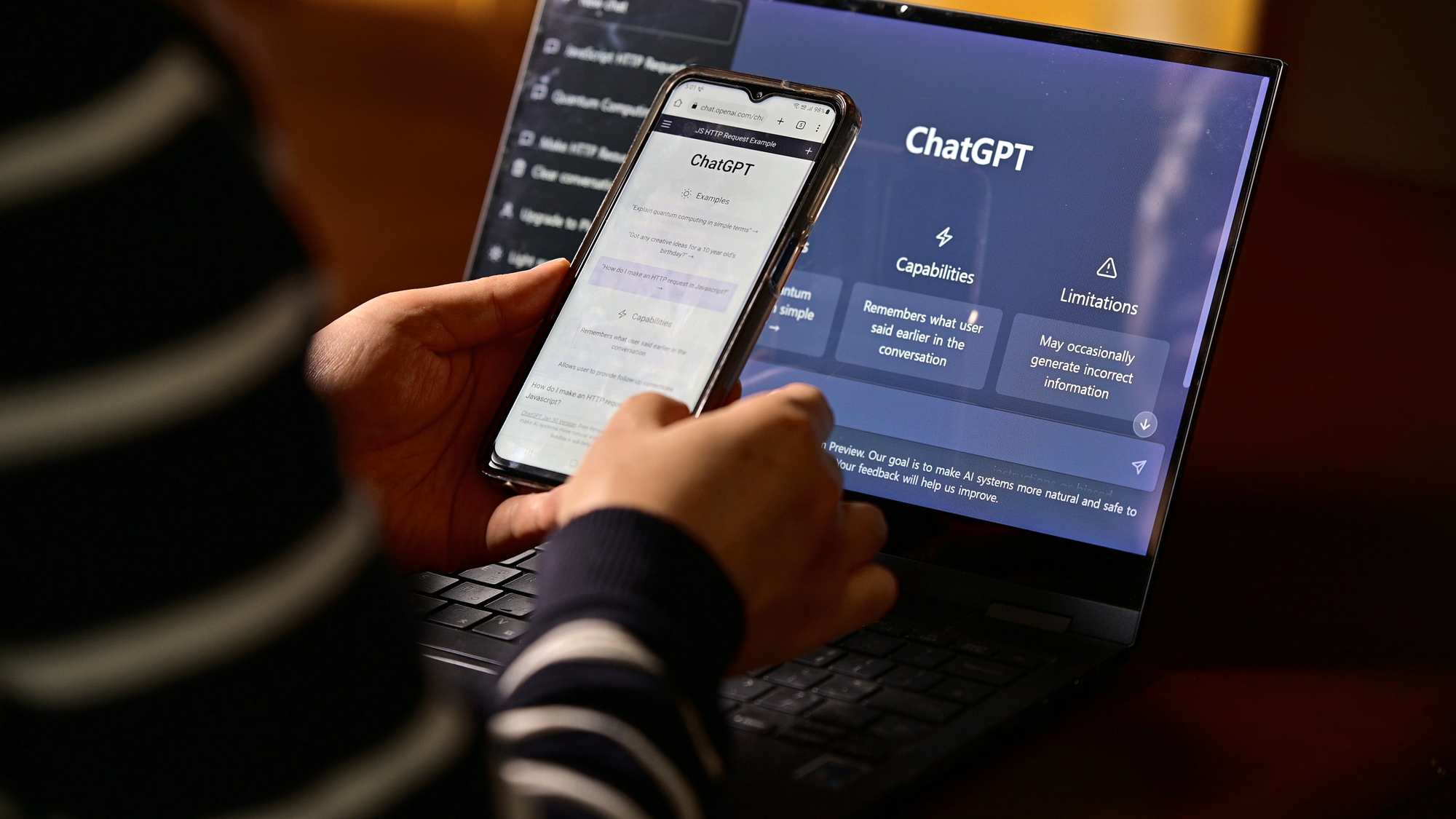
When OpenAI announced the integration of ChatGPT with Microsoft PowerPoint, the headlines sounded like a breakthrough. But if you look at the chronology — it's more like closing a gap. Anthropic launched a similar app for Claude back in September 2024, Microsoft Copilot is built into PowerPoint as a standard feature. ChatGPT came last.
What the new app can actually do
ChatGPT appears as a side panel right inside PowerPoint — without switching between browser tabs. The app can absorb notes, documents, tables, images, and ready-made presentations and generate structured slides that remain editable in PowerPoint.
The beta version is available to most OpenAI users — including the free tier and ChatGPT Business subscribers — and can pull content from connected services: Gmail, Outlook, or SharePoint.
OpenAI is specifically targeting real business scenarios: quarterly reviews, board presentations, strategic decks.
Three AI assistants in one application — and it's already the norm
With the arrival of ChatGPT, PowerPoint users now have three options for working with slides: ChatGPT, Claude, and Copilot. The competition between them is not marketing-based, but functional: each has a different model for accessing corporate data and different logic for processing files.
"Copilot uses corporate data — files, chats, employee calendars — to provide contextually relevant answers"
IntuitionLabs, review of corporate AI tools
ChatGPT in PowerPoint, on the other hand, relies on external integrations and uploaded files rather than a company's internal infrastructure. For organizations where data doesn't leave the Microsoft 365 perimeter, this is a fundamental difference.
Why OpenAI needs this now
Given OpenAI's preparation for an IPO with an expected astronomical valuation, it makes sense that the company is trying to mirror as many competitor features as possible. The corporate productivity market is one of the most predictable in terms of monetization: subscriptions, integrations, volume.
At the same time, the corporate segment is the hardest to convince to change tools. IT departments of large companies approve lists of permitted applications for months. ChatGPT for PowerPoint's beta status means that most corporate IT policies won't allow this tool yet.
If OpenAI moves the app out of beta by the end of 2025 and gets certification for corporate deployment — then we can talk about real competition with Copilot on its own territory. Until then — it's a convenient tool for freelancers and small businesses, but not a market game-changer.



