Why Meta Quest Got More Expensive Due to Artificial Intelligence — And This Is Just the Beginning
# AI-Driven Memory Shortage Hits Meta VR Headsets, Threatens Samsung, Microsoft, Sony A shortage of RAM caused by the AI data center race has impacted Meta's VR headsets and is now affecting Samsung, Microsoft, and Sony. Consumer electronics prices are expected to continue rising through at least 2026.

By Oleg Bazylewicz
April 17, 2026 · 2 min read
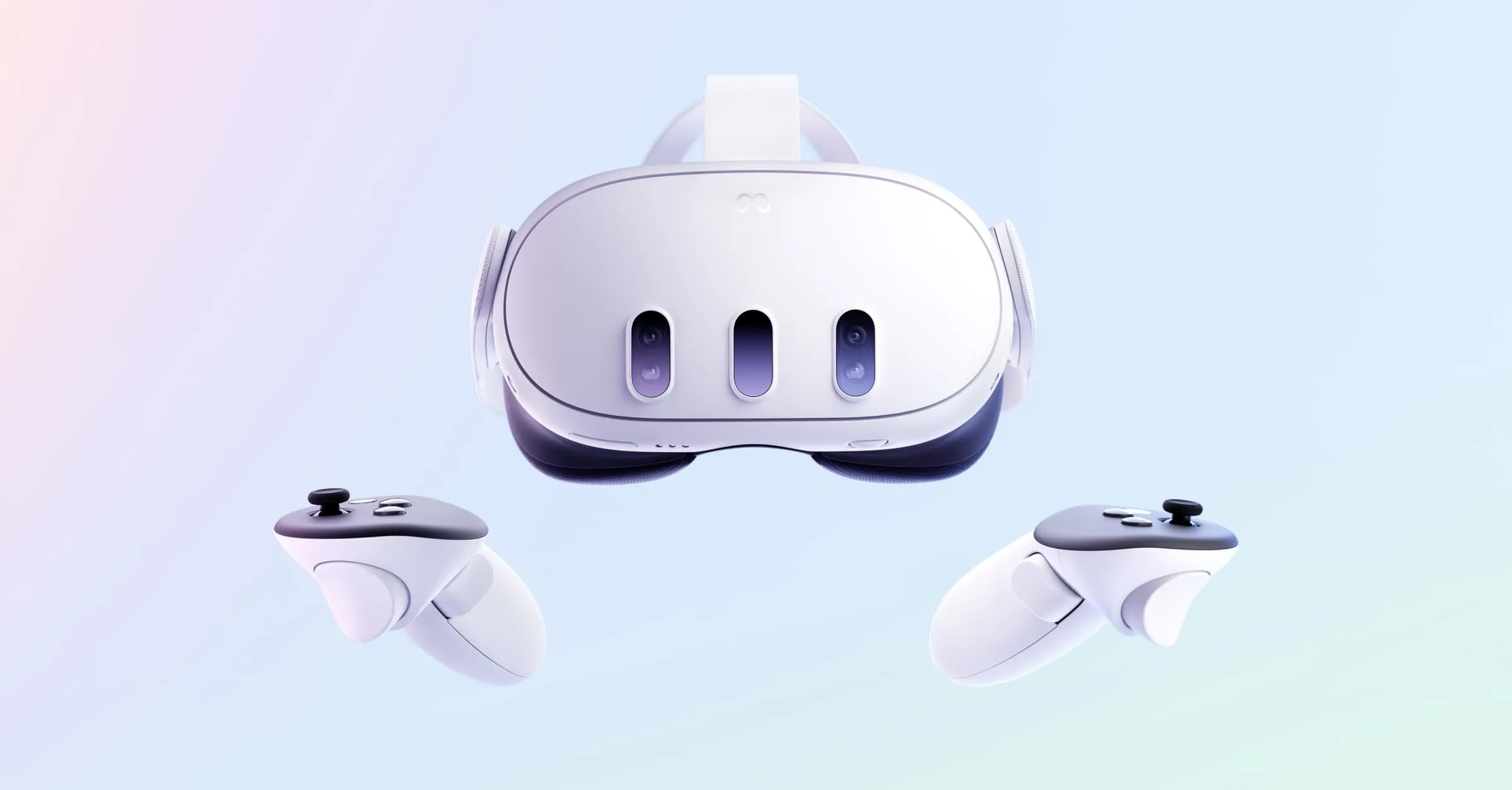
Starting April 19, Meta Quest 3 costs $600 instead of $500, Quest 3S — from $350 instead of $300. Official explanation: memory chip shortage. But behind this brief statement lies a structural change in the entire semiconductor market.
How AI "Stole" Memory from Your VR Headset
DRAM manufacturers — Samsung, SK Hynix, and Micron, which together control over 70% of the global market — have redirected capacity toward high-margin HBM memory for GPU servers. According to IEEE Spectrum, the share of cloud and AI memory in Micron's revenue grew from 17% in 2023 to nearly 50% in 2025. Consumer electronics got what was left.
The result — prices for standard DRAM rose 50% in just one quarter-on-quarter comparison, and TrendForce analysts forecast another 40% increase in the next quarter. As NPR reports citing TrendForce, if manufacturers want chips faster — they pay two to three times the normal price.
"AI has changed the very nature of demand"
Sanchit Vir Gogia, CEO Greyhound Research
Meta — Not First, Not Last
According to TechCrunch, Meta joined Samsung, Microsoft, and Sony, which have already raised prices on their hardware for the same reason. IDC forecasts that pressure on smartphone and PC manufacturers will persist at least until 2027, and Lenovo, Dell, HP, Acer, and ASUS have warned customers about price increases of 15–20%.
For Meta, the situation is complicated separately: the Reality Labs division has lost over $80 billion since 2020, including $19 billion in 2025 alone. Rising component costs compound a chronically unprofitable business — and pricing pressure is passed directly to consumers without a profitability buffer.
Notably, the price increase applies not only to new devices but also to refurbished ones — this indicates that costs are embedded deeply in the supply chain rather than representing a situational reaction to a single batch of components.
What's Next
New DRAM production capacity won't appear quickly: according to IEEE Spectrum's estimates, even factories currently under construction are unlikely to significantly reduce prices before 2028. Micron CEO Sanjay Mehrotra told analysts directly that demand will "substantially exceed supply in the foreseeable future."
If Meta releases Quest 4 in 2026 amid continued memory price increases — will the company be able to keep it in the affordable segment, or will VR headsets finally become a niche premium product?



