Dark Cherry Instead of Cosmic Orange: Apple Changes Color Logic in Pro Line
iPhone 18 Pro will receive a new Dark Cherry shade — a dark wine red color that will replace Cosmic Orange from the previous model. In parallel, Apple is preparing its first foldable iPhone Ultra priced at over $2,000 — both devices are expected to launch in fall 2026.

By Tetiana Suchkova-Ladik
April 17, 2026 · 2 min read
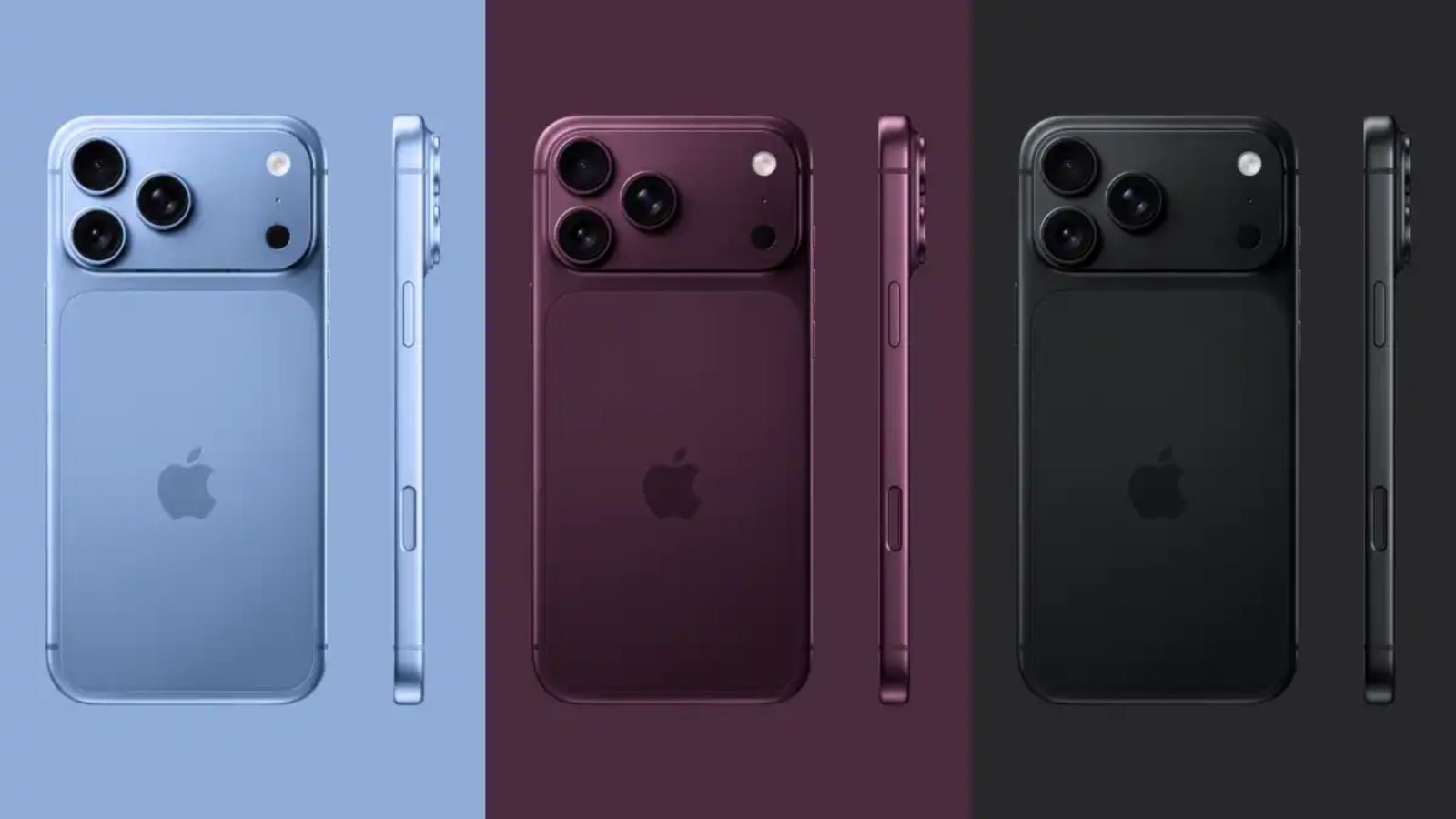
Every year Apple chooses one "signature color" for Pro models — and this time, according to Macworld, the choice has settled on Dark Cherry: a deep wine red that is more restrained than the Cosmic Orange iPhone 17 Pro, which became unexpectedly popular. The final palette has not yet been approved — one of four shades could disappear before mass production begins.
Four colors, one in question
According to Macworld, Apple is considering: Light Blue, Dark Gray, Silver, and Dark Cherry. Notably, there will be no black — the second year in a row, if the Weibo source Instant Digital is to be believed. Bloomberg's Mark Gurman confirmed testing of "deep red" back in February 2025; rumors also circulated about purple and brown, but in his view, these are variations of the same red idea.
"Apple is testing deep red coating for iPhone 18 Pro and iPhone 18 Pro Max"
Mark Gurman, Bloomberg, February 2025
What's changing in design besides color
According to leaks, the iPhone 18 Pro will look little different from the 17 Pro on the outside: the same triple-camera module, the same form factor. But there are two specific updates:
- Dynamic Island will become approximately 35% smaller — thanks to a transition to under-display technology.
- Variable aperture on the main camera: users will be able to manually control the amount of light reaching the sensor — a feature that Samsung and Huawei flagships have long had.
iPhone Ultra: complex, expensive, with unclear timeline
Alongside the Pro models, Apple is preparing its first foldable iPhone — unofficially called the iPhone Ultra. According to Macworld, the device will have a 7.8-inch internal display without a visible crease, a titanium hinge, two 48MP cameras, and Touch ID instead of Face ID — in a passport form factor. Estimated price — $1,999–$2,399.
However, Barclays analyst Tim Long warns: actual deliveries will likely begin in December 2026, several months after the announcement in September. The foldable iPhone has been promised to launch "any moment now" since at least 2018 — dates have shifted from 2020 to 2021, then to 2024 and 2025.
iPhone Fold, in turn, will come in two colors: silver and dark blue.
Why this matters now
Cosmic Orange 17 Pro showed that a restrained but unconventional color sells better than "safe" grays and silvers. Dark Cherry is a bet on the same effect, but for an audience that found orange too bold. If the color passes final approval and receives similar market reception, Apple will have another argument for not lowering the Pro lineup's price even amid pressure from U.S. tariffs on Chinese manufacturing.
The real question isn't about the color: if iPhone Ultra launches in December rather than September — will the $2,000+ price tag hold without holiday frenzy, or will Apple push the sales launch to spring 2027?



