Dell MS526C: mouse with built-in fingerprint scanner — faster sign-in and basic biometrics for $45
Dell has unveiled the wired MS526C mouse with support for Windows Hello. It's an inexpensive solution for quick passwordless login — we examine who it's suitable for and where caution is warranted.

By Tetiana Suchkova-Ladik
March 26, 2026 · 2 min read
New gadget — easier sign‑in, but it doesn't solve everything
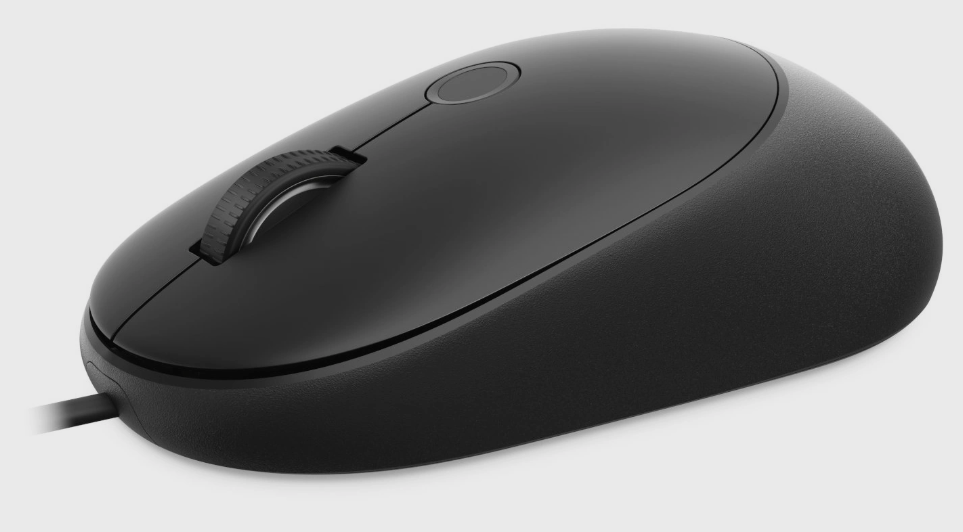
Dell has officially unveiled the wired mouse MS526C (Dell Pro 5 Wired Fingerprint ESS Mouse) for $45, IT Home reports. The main difference of the model is a built‑in fingerprint scanner with support for Windows Hello, which allows signing into the system without entering a password. For the user this means speed and fewer passwords in everyday life — useful for remote work and routine tasks.
Technical picture — simple and practical
The mouse has a symmetrical body, suitable for right‑ and left‑handed users. The optical sensor supports up to 6000 DPI. Connection is via a USB‑A cable 1.8 m long, weight ≈ 73 g. Instead of a separate DPI switch, the developers integrated the fingerprint scanner — this changes the usual ergonomics of mice that have extra buttons for sensitivity adjustment.
"Windows Hello is a way to access your device in a more personalized and secure way without a password."
— Microsoft
Support for Windows Hello can reduce reliance on passwords, but it does not eliminate the need for security policies: corporate requirements regarding authentication, the storage of biometric data, and fallback access methods remain key.
Context and implications for the user
The $45 price point makes the device attractive for small businesses, freelancers, and public servants who work remotely or in a hybrid format. Peripheral market analysts note a trend: manufacturers are adding biometrics and other "smart" features to basic devices — illustrated by this release and the recent Logitech 2025 keyboard that recharges from light.
However, it is critically important to verify compatibility with corporate policies and biometric data protection mechanisms before mass deployment. For critical systems or when strict authentication is required, this may be only a supplement, not a replacement for multi‑factor authentication.
Summary: The Dell MS526C is a practical and affordable option for those who value quick access and a minimalist workspace. But for organizations and users with elevated security requirements, this solution should be considered in the context of data protection policies and procedures — and only after testing in a real environment.