Nine jurors buried Musk's lawsuits against OpenAI in 90 minutes
# Federal Court in California Dismisses Elon Musk's Lawsuit Against Sam Altman A federal court in California has rejected Elon Musk's lawsuit against Sam Altman—not because his arguments were unfounded, but due to a three-year delay in filing. Musk characterized the dismissal as a "technical calendar matter" and vowed to appeal.

By Tetiana Suchkova-Ladik
May 19, 2026 · 3 min read
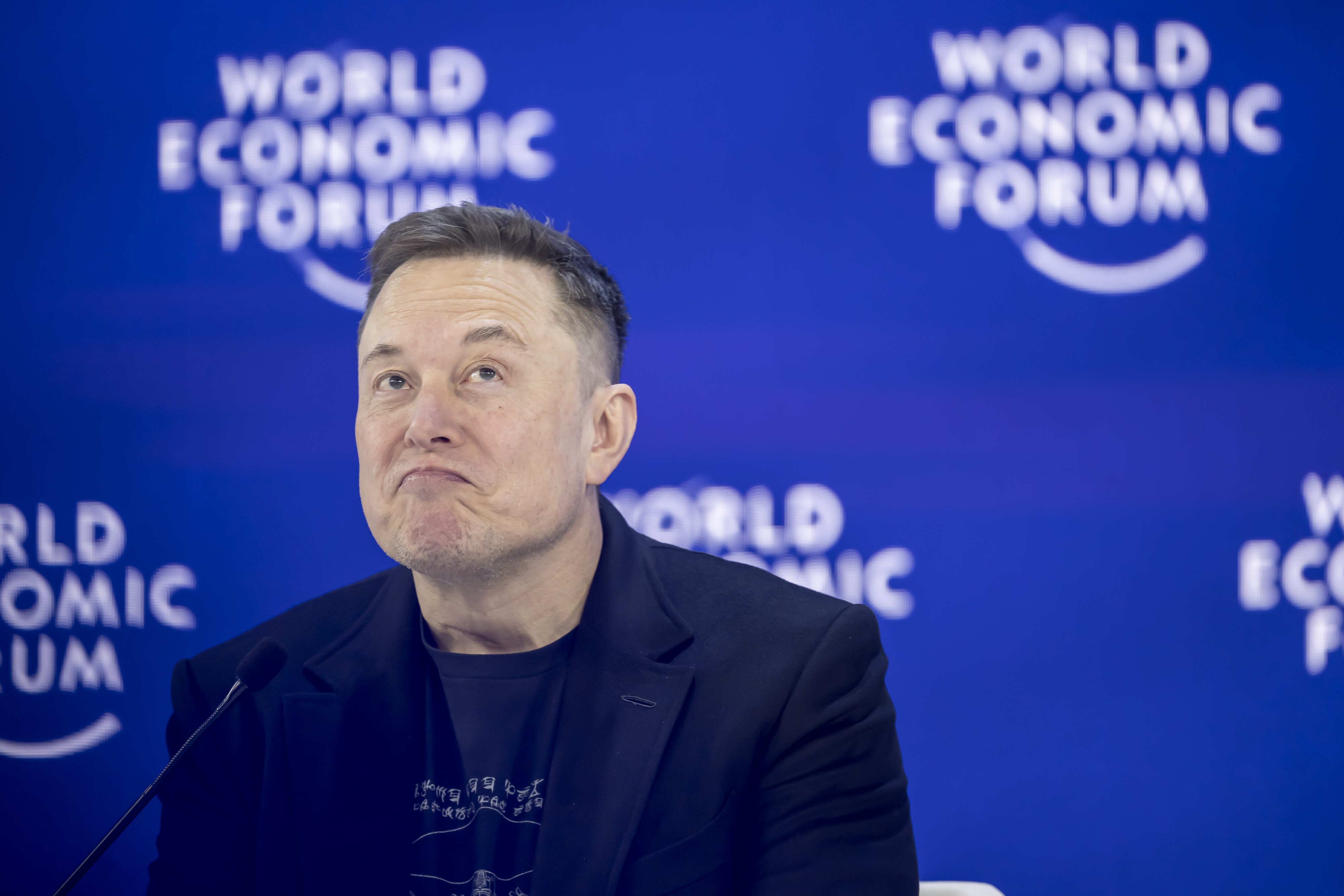
Three weeks of hearings, hundreds of pages of evidence and an unexpected confession right in the courtroom — all wrapped up in less than two hours. Nine jurors unanimously decided: Elon Musk filed his lawsuit against OpenAI and its leaders too late, and the court is not obligated to consider the merits of the case.
Why the court never reached the merits
Musk filed suit in February 2024, claiming that Altman and Brockman "stole the charity" — transforming OpenAI from a nonprofit project into a profit-generating machine. But California law allows three years from the moment a plaintiff learns of a violation to file such a lawsuit. Jurors found evidence that Musk was aware of commercial changes as early as 2021 — yet waited anyway.
Judge Yvonne Gonzalez Rogers of the Federal District Court for the Northern District of California upheld the jury's conclusion. "I believe there is substantial evidence supporting the jury's conclusion," she said immediately after the verdict was announced.
What was at stake
Musk's team demanded the return of between $130 and $180 billion in "illegally obtained funds" to the OpenAI nonprofit foundation, the removal of Altman and Brockman from their positions, and the cancellation of the 2025 corporate restructuring that solidified the company's full commercial structure. Musk emphasized that the money should go not to him personally, but to "the OpenAI charity."
The stakes were also critical for OpenAI: the company is currently valued at $852 billion and is moving toward potentially one of the largest IPOs in history. A loss would have meant freezing the entire process.
"This lawsuit was a hypocritical attempt to sabotage a competitor"
— William Savitt, OpenAI's attorney, after the verdict was announced
What emerged during three weeks of hearings
The trial unexpectedly revealed details uncomfortable for both sides:
- Musk personally invested $38 million in OpenAI at an early stage and called himself "a fool who funded someone else's startup for free."
- OpenAI's attorneys argued that Musk himself once lobbied for the creation of a commercial division within the company, attempted to gain control over it, and left OpenAI only after failing to do so.
- During cross-examination, Musk admitted — with audible gasps from the courtroom — that his own AI company xAI partially trained the Grok chatbot on OpenAI's models using the distillation method.
- Altman explained to jurors that OpenAI's mission from the very beginning was designed so that no single individual could control artificial general intelligence technology.
Reactions from both sides
Neither Musk nor Altman were in the courtroom when the verdict was announced. OpenAI and Microsoft attorneys embraced. Musk's attorney Alex Molo characterized the decision as "technical" and said the appeal would change the situation. Hours later, Musk wrote on X: "The judge and jury did not consider the merits of the case — only a calendar question." Microsoft, a major investor in OpenAI's commercial division, whom jurors also fully exonerated, limited itself to an official statement.
Musk's appeal will go to the Ninth Circuit Court of Appeals — the same court whose decisions on statute of limitations issues are traditionally difficult to challenge. If the appellate court upholds the three-year standard and finds that Musk indeed knew about commercial changes in 2021, OpenAI will have a clear legal corridor to its IPO without a looming lawsuit.