Diia 2025: "Winter 1000" Leads — How Digital Services Strengthen the Home Front
Over 23 million users and millions of requests: figures from the Ministry of Digital Transformation show that digitalization is no longer about convenience, but about the state’s security and efficiency. We examine what is working and why it matters to every Ukrainian.

By Tetiana Suchkova-Ladik
December 31, 2025 · 2 min read
Why these numbers matter right now
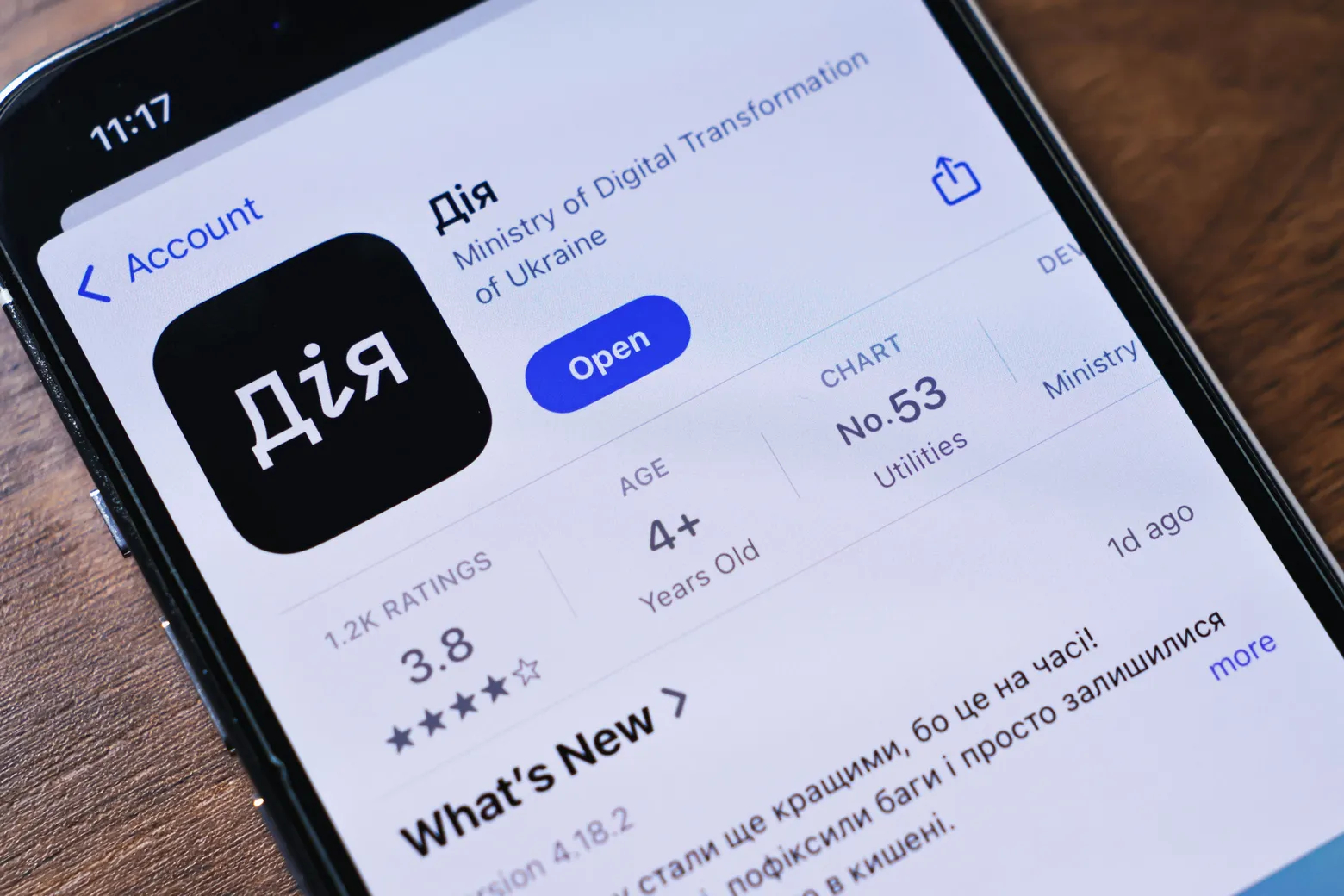
In 2025 the "Diia" app was used by more than 23 million Ukrainians — about 77% of smartphone owners in the country. According to the Ministry of Digital Transformation, the most popular service was the "winter 1,000 UAH" — over 14 million applications. These figures are not just statistics: they show how the state is moving basic services into digital mode, reducing pressure on offices and increasing the speed of delivering assistance.
Most popular services — what Ukrainians chose
Top requests: a certificate of place of residence — 12.8 million requests. Such documents, which previously required in-person visits, are now available remotely and carry the same legal force. Citizens also 6.2 million times paid traffic fines through the app.
Second-tier services: a digital military registration document — 550,000 issuances; an employee reservation service — 410,000; automatic registration of sole proprietors (FOP) — 220,000 registrations.
"More than 23 million users indicate that digital services have already become part of Ukrainians' everyday life and an instrument of state resilience."
— Press Service of the Ministry of Digital Transformation of Ukraine
Economy and efficiency: how much the service costs
The Ministry also published that the average basic state service via "Diia" costs the state 242 UAH. This is an important marker: digitalization is not only convenient for citizens, it allows for better budgeting, process optimization and faster reallocation of resources to where they are needed during the war.
What this means for citizens and the state
In short — fewer queues, faster access to payments and services, and more transparent interaction with the state. For the country's security, digital services reduce the risks associated with accumulating paper documents and speed up responses to rear-line needs: from payments to mobilization decisions. Social payments via "Diia", which are planned for wider implementation, could become a critical link in supporting vulnerable groups.
What’s next: risks and questions
Digital scale also brings challenges in cybersecurity, infrastructure funding and access for those who are less digitally connected. The question is clear: will the state be able to maintain service quality and security as demand grows? The answer depends on funding policy, workforce training and security standards.
The 2025 figures give reason for cautious optimism: digital tools are working and help sustain the home front. But now the ball is in the partners' and the government's court — to ensure these services remain reliable, accessible and secure.