Dynamic Island on the left: how the iPhone 18 Pro could reshape the interface and the market
Insider Jon Prosser claims that the Dynamic Island on the iPhone 18 Pro will move to the upper-left corner. This is not just a design change — questions of app and accessory compatibility and biometric security also affect the Ukrainian market. We examine why it’s worth paying attention.

By Tetiana Suchkova-Ladik
January 19, 2026 · 2 min read
What the insider said
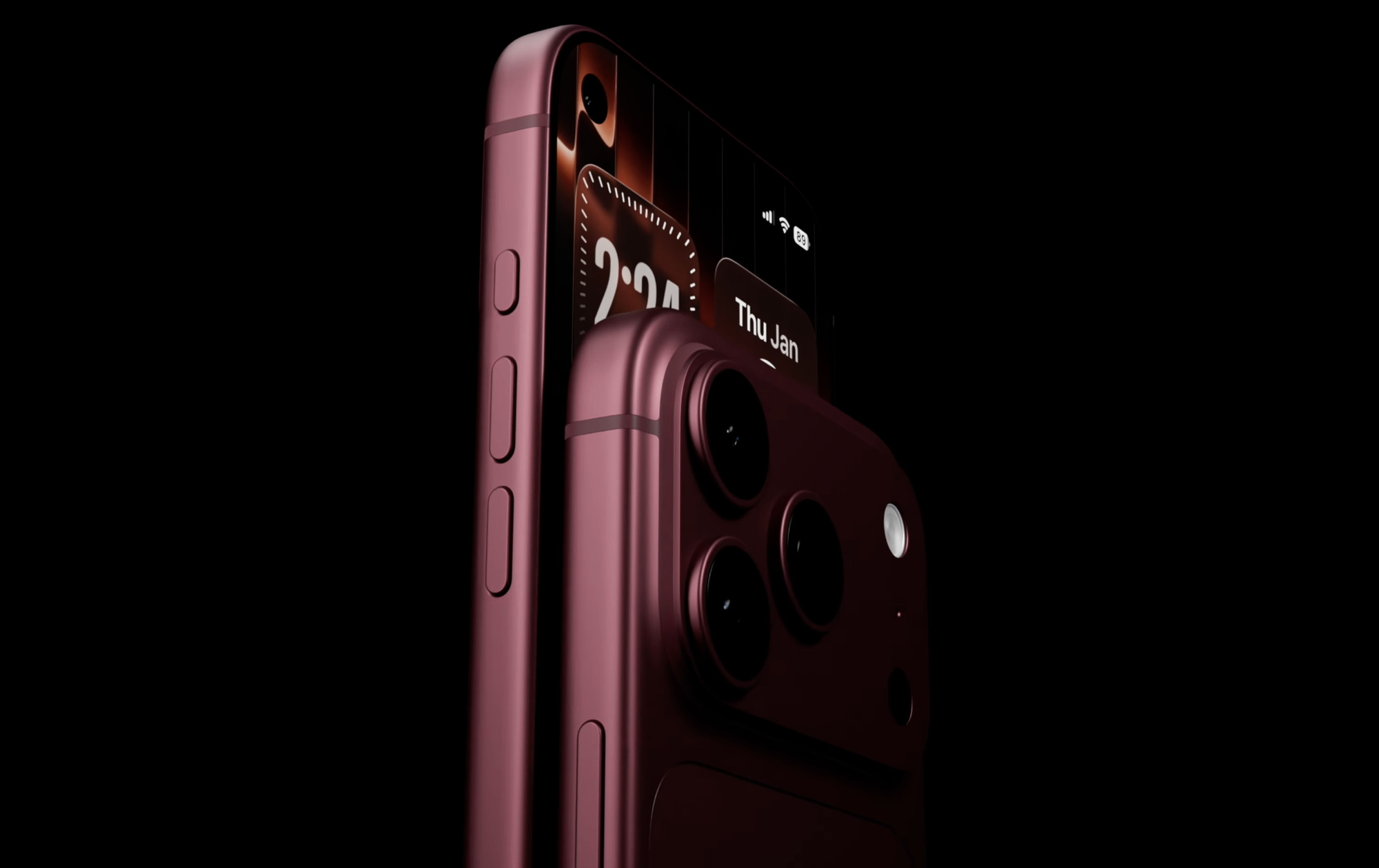
Blogger Jon Prosser said in a video that in the iPhone 18 Pro the Dynamic Island area will no longer be positioned in the center of the display. According to him, Apple allegedly plans to integrate the Face ID system under the screen and move the front camera to a separate hole in the upper left corner — that is where the Dynamic Island is expected to emerge from.
"The Dynamic Island will no longer be centered on the display; it will appear from the upper left corner, dynamically expanding across the top of the screen."
— Jon Prosser, blogger/insider
Why it matters
At first glance — it's a cosmetic change. But for users and the market the consequences are practical and far-reaching. Moving the Dynamic Island and integrating Face ID under the screen will affect the placement of interface elements, notification behavior, and the visual logic of apps. Developers will have to adapt UIs; manufacturers of screen protectors, cases, and service centers will need to reassess product form factors and repair processes.
From a security standpoint, under-screen biometrics have technical nuances: to maintain accuracy and protect data, Apple will need additional engineering solutions. This matters for government services and for companies that rely on biometrics in their apps.
How plausible it is
The information comes from a single well-known insider. It's worth remembering the context: in 2025 Apple sued Prosser over alleged leaks of iOS 26, so some of his claims should be critically evaluated. Technically and logistically such a move has grounds — the display industry is developing under-screen sensors, and Apple regularly tests new components to achieve a larger screen without notches.
The iPhone 18 Pro announcement is expected in September 2026. In addition, there are rumors online about a foldable iPhone and a change to launch timing (base models iPhone 18 and iPhone 18e might reportedly be released in spring). Until official confirmation, all of this should be treated as possible scenarios rather than facts.
What users and the market in Ukraine should do
Don't rush to conclusions or purchases — but start preparing. Mobile app developers should check UI adaptability for different notch placements; accessories sellers and service centers should analyze potential changes in demand and construction details. Ukrainian users will benefit from a larger usable screen area, but may face updates to peripherals or short-term compatibility issues.
Brief conclusion: Prosser's claim is a signal worth attention: if the changes materialize, they will affect not only design but the ecosystem around the smartphone. Watching for confirmations is wiser than making extreme predictions.



