Fort — a bracelet by former Tesla engineers that automatically counts over 50 exercises: why it matters for workouts
A new fitness tracker from a team of former Tesla engineers automates strength training — without launching an app or pressing buttons. We examine how it works and why this feature could change the approach to preparing athletes and military personnel.

By Tetiana Suchkova-Ladik
February 19, 2026 · 2 min read
What happened
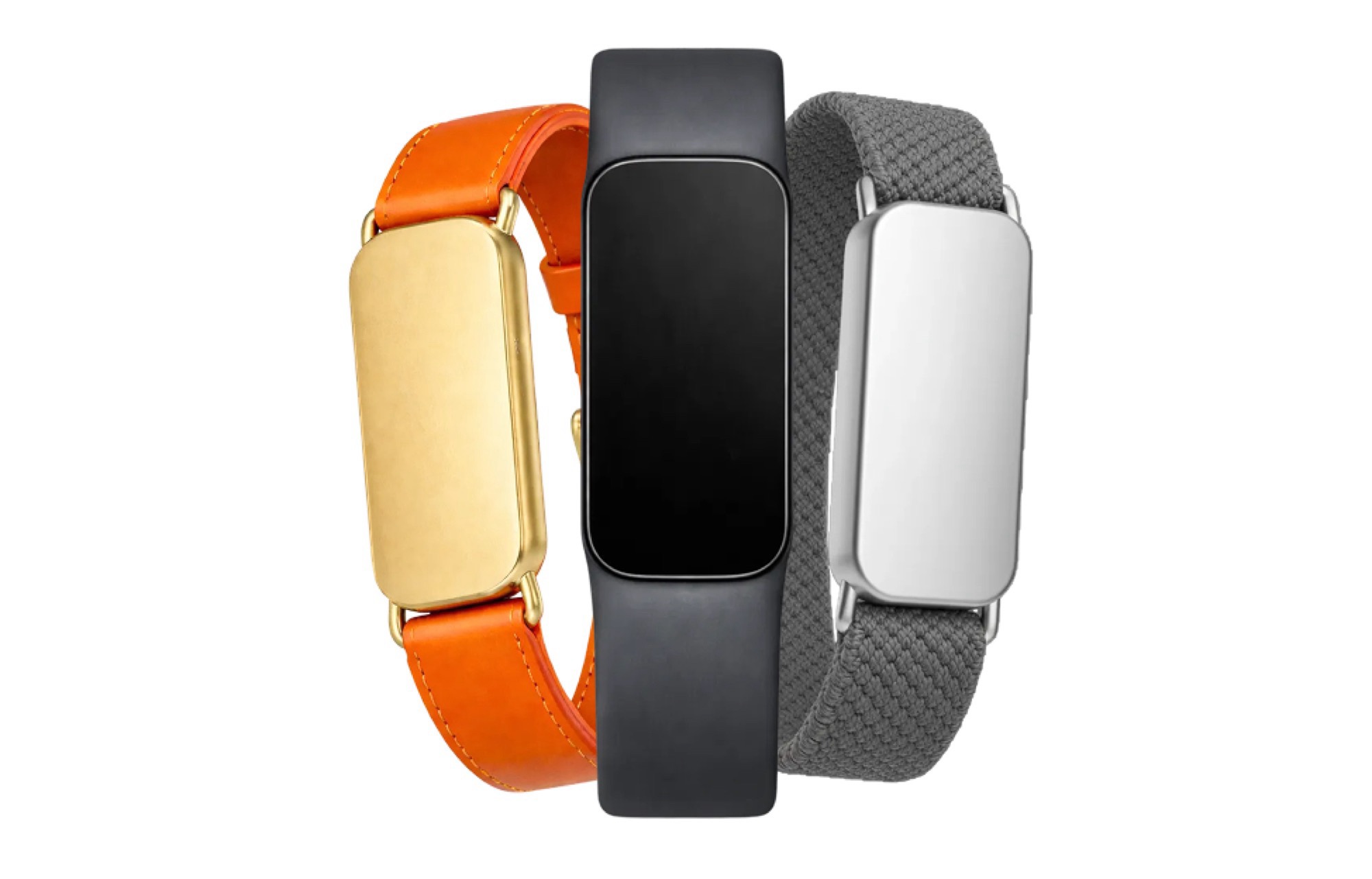
A team of former Tesla engineers has announced the Fort fitness band, which automatically recognizes over 50 types of exercises and counts repetitions during strength training — from squats to push-ups and ab exercises. You don't need to select a mode manually to start a workout: just wear the band on your wrist.
How it works
The device analyzes heart-rate and motion sensor data using built-in algorithms. The mobile app displays repetitions, weekly statistics, and an assessment of load on muscle groups. In addition to strength exercises, Fort supports cardio tracking, sleep monitoring, and stress level monitoring.
“We wanted to remove the routine barriers to training — so the user can focus on technique and progress, not on data entry.”
— a Fort representative, the development team
Technical details and availability
The band weighs about 30 grams, with a claimed battery life of up to 7 days. Fort will go on sale in the third quarter of 2026, initially in the US at a price of $289. Available colors — silver, black, and gold — with swappable bands.
Why it matters
Automatic rep counting removes the human factor from daily statistics and lowers the barrier to entry for people training on their own or with limited resources. For coaches and rehabilitation specialists such data simplifies progress monitoring, and for fighter preparation — provides clearer load metrics during training cycles.
Wearable market analysts are already noting that the combination of precise sensors and on-device motion-recognition algorithms is becoming a key competitive advantage. It also reflects a broader trend: talent from large tech companies moving to specialized products, where applied innovations are implemented faster.
What’s next
Fort is launching in the American market, but the automatic exercise-recognition feature already has practical value for sports and safety. The question for the manufacturer is how to adapt the algorithms to different movement patterns, age groups, and training specifics. For the Ukrainian market this means: it's worth watching for localized versions and possibilities for integration with coaching platforms and rehabilitation programs.
Now it's up to consumers and coaches: is Fort accurate enough to replace paper logs and manual counting, and are athletes ready to trust key metrics to algorithms — the answers to these questions will determine the device's impact on the wearable market.



