France tested launching drones from an A400M — what it means for allied security and logistics
The French Directorate General of Armaments reported the release of 72 drone mock-ups from an A400M transport aircraft. We explain why the test is important for Ukraine and what operational capabilities it opens up.

By Tetiana Suchkova-Ladik
January 8, 2026 · 2 min read
Brief
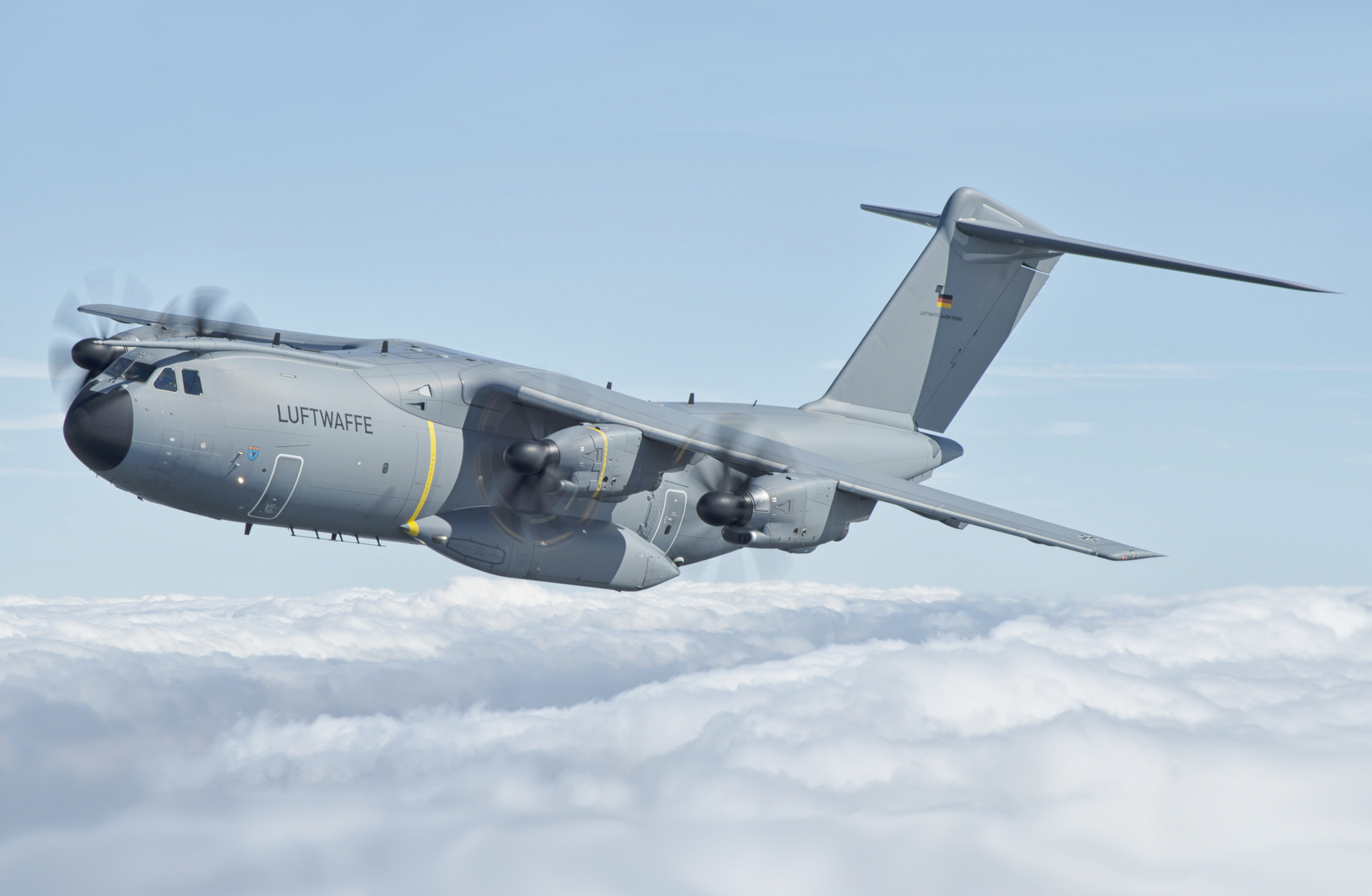
French military personnel under the direction of the Directorate General of Armaments (DGA) carried out air‑launch tests of unmanned aerial vehicles: 72 drone mock-ups were released from an Airbus A400M Atlas. Some were dropped through the side doors, others via the rear ramp. Inert mock-ups of various shapes and weights were used to check the behavior of the devices when released at operational speeds and under different flight regimes.
Why it's being done
According to official DGA statements, the aim of the tests is to determine the technical parameters for mass air‑launch of UAVs from transport aviation. The A400M can carry up to 37 tonnes and operate from short or unpaved runways, making it a convenient platform for deploying elements of strike or reconnaissance networks in rear areas.
There are two key benefits: first, air launch extends the range of UAVs without the need for ground bases; second, it increases mobility and the resilience of logistics when access to airfields is limited.
"The purpose of the tests is to obtain empirical data on how different UAV configurations behave when released from large transport aircraft, in order to prepare technical solutions and procedures for operational use."
— Directorate General of Armaments (DGA), Ministry of the Armed Forces of France
Practical implications for Ukraine
These tests are directly relevant for Ukraine for several reasons. First, the development of air‑launch capabilities among allies creates additional options for delivering and rapidly deploying surveillance systems and short‑ and medium‑range strike complexes. Second, in the context of the recent declaration between Ukraine, France and the United Kingdom and Saab's decision to transfer two GlobalEye aircraft to France, it signals growing integration of capabilities that can operate within a single information and operational environment.
But it is important to understand: a technical test by itself is not an automatic mechanism for the immediate transfer of capabilities. Doctrinal adaptation, weapons certification and logistical integration are still required for such methods to actually help at the front.
What's next
The DGA plans to expand the series of tests to other platforms — notably the C-130J and CN-235. Defense market analysts note that if the tests confirm reliability and safety, this will open the way to operational concepts in which transport aircraft perform not only logistical but also deployment functions for UAV networks.
Conclusion
The test in France is a step toward expanding the tactical mobility of European aviation and its ability to rapidly deploy unmanned systems. For Ukraine, it is a potential option to strengthen partners' communications, intelligence and strike capabilities, but the path from laboratory tests to operational use in combat conditions requires time, resources and political will. Whether allies can accelerate the integration of such solutions into support for Ukraine is the key question for the coming months.



