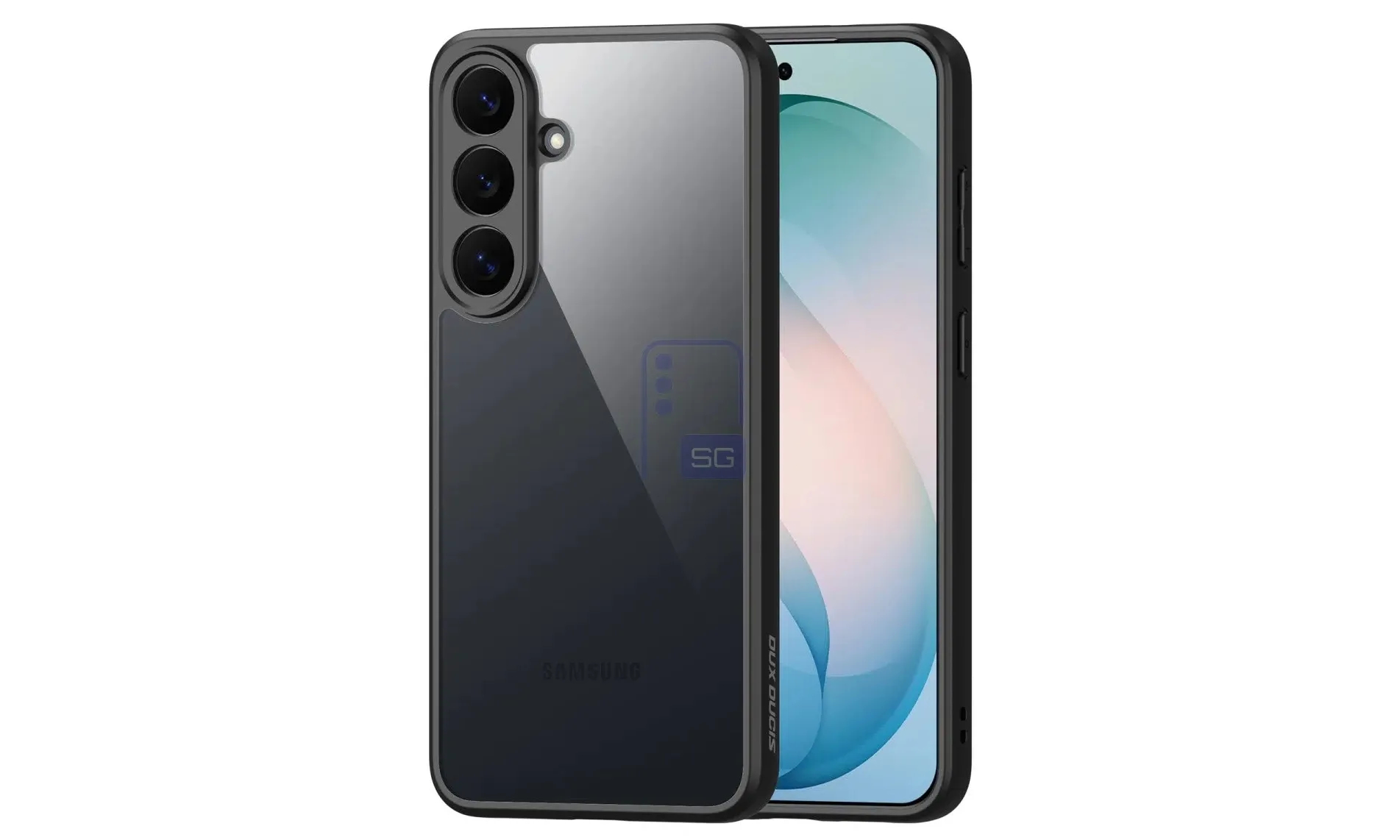
Galaxy A57 and A37 in Ukraine from April 17: prices, configurations and what it means for the market
Samsung is launching two mid-range smartphones on the Ukrainian market — these are not just new gadgets but also an indicator of the resilience of supply chains and service infrastructure. We examine which variants are available and why this matters for consumers in Ukraine.

By Tetiana Suchkova-Ladik
March 27, 2026 · 2 min read

How important the new release is right now
Samsung officially announced that the Galaxy A57 5G and Galaxy A37 5G models will go on sale in Ukraine on April 17. Ahead of the launch, several local retailers already listed offers — confirming configurations and indicative prices for the Ukrainian market. For consumers this means not only access to an updated design and cameras, but also a signal of the restoration of normal logistics for the mass-market segment of devices.
Configurations and prices — briefly
Galaxy A57 has been spotted in 8/128 GB, 8/256 GB, 12/256 GB and top 12/512 GB versions. Indicative prices in Ukrainian stores: from UAH 23,999 for 8/128 GB, about UAH 26,999 for 8/256 GB and approximately UAH 30,999 for 12/512 GB.
Galaxy A37 is available in variants from 6/128 GB to 12/256 GB; the base 6/128 GB version is priced from UAH 18,999, while the more expensive configurations are in the range of approximately UAH 20,999–22,999.
Technical highlights
Both models feature 6.7-inch displays with refresh rates of up to 120 Hz, 5,000 mAh batteries and run Android 16 with One UI 8.5. The main camera is 50 MP on both, but the A57 additionally includes a 12 MP ultrawide module, while the A37 uses an 8 MP sensor. In the context of the company's announcements, it's worth noting the recent introduction of the Exynos 1680 platform and the flagship S26 lineup, which also appeared on Ukrainian shelves — an indicator of the scale of Samsung's product portfolio.
"Affordable smartphones with reliable repairability and modern cameras help the market be more flexible and reduce users' operating costs."
— mobile technology expert
What buyers should consider
First, check the configuration at the moment of purchase: several memory options have been observed in retail, and prices differ significantly. Second, it is notable that the A57 received good repairability scores after teardown (according to public reviews — 9/10) — this is important for Ukraine, where service and repairs often determine a gadget's fate. Third, for those evaluating long-term cost of ownership, battery life, screen refresh rate and the quality of camera modules are key — these are precisely the characteristics Samsung emphasizes in the new models.
Market context
The arrival of the A57 and A37 on sale is not just the release of two models. It's an indicator: major manufacturers continue to supply the mid-range segment to Ukraine, retail is restoring assortment, and local service networks are receiving devices with an acceptable level of repairability. For consumers this means a wider choice and competitive prices; for the market, it signals stability.
Brief conclusion: the models don't change the rules of the game, but they strengthen the availability of modern features in the mid-range — and in conditions where the reliability of supply chains and the cost of ownership are decisive, that matters more than flashy announcements.