Galaxy Book 6 with Intel Ultra: Power for Professionals — Will Rising Component Costs Hit the Market?
At CES 2026, Samsung unveiled the Galaxy Book 6 Pro and Ultra with Intel's new 1.8‑nm processors. Performance has increased — but rising memory and SSD prices could change the outlook for Ukrainian buyers and professionals.

By Tetiana Suchkova-Ladik
January 26, 2026 · 2 min read
Samsung strengthens laptops: what was shown at CES 2026 and why it matters
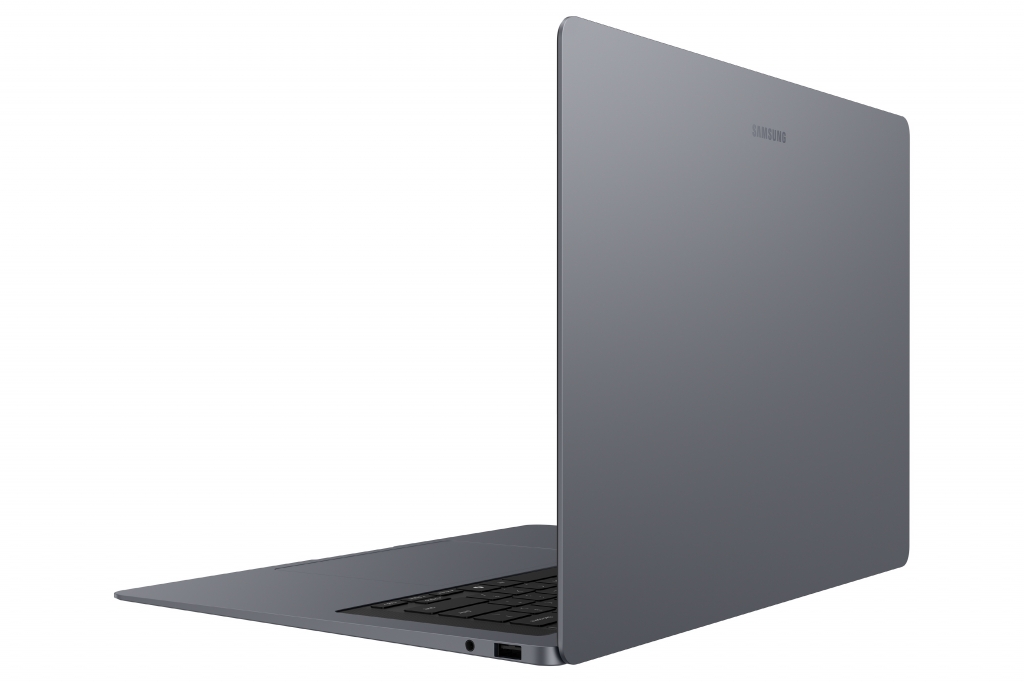
At CES 2026 Samsung officially announced two laptops — Galaxy Book 6 Pro and Galaxy Book 6 Ultra — based on the new Intel Core Ultra Series 3 processors (Intel 18A process, ≈1.8 nm). The model is already available in South Korea; for professionals this is a signal: the mobile platform is catching up to desktop in capabilities. For Ukraine, two questions are important — performance and the cost of accessing that performance.
What’s new in the hardware
Key specifications Samsung highlights:
- Processor: Intel Core Ultra Series 3 (Intel 18A, 1.8 nm).
- Display: QD‑OLED, 3K, up to 120 Hz, brightness up to 1000 nits, anti‑glare coating.
- Graphics: Ultra — optional discrete Nvidia RTX 5060/5070, Pro — integrated Intel Arc.
- Memory and storage: from 16 GB RAM and 256 GB SSD; cooling — updated fan and vapor chamber.
- Ports and connectivity: Wi‑Fi 7, Bluetooth 5.4, HDMI 2.1, USB‑A, 2×Thunderbolt 4, fingerprint scanner in the power button. Charging: Ultra up to 140 W, Pro up to 65 W.
Price and availability
Starting prices in South Korea: Galaxy Book 6 Pro — 2.6–3.51 million won (~$1,800–2,430), Galaxy Book 6 Ultra — 4.62–4.91 million won (~$3,200–3,400). At the same time the industry reports risks of price increases for components — RAM and SSDs — by significant percentages. If confirmed, the final price for European and Ukrainian buyers could rise further, and deliveries may be delayed.
"Galaxy Book 6 combines the new Intel Ultra platform with QD‑OLED displays and is aimed at content creators and professionals"
— SamMobile / report from CES 2026
What this means for Ukraine
In short: for Ukrainian specialists and organizations this is a good sign — more powerful mobile workstations are becoming available. For defense developers, media creators, analysts and IT teams, such machines provide processing speed and autonomy. At the same time, there is a risk that global price and supply‑chain fluctuations will make these devices less accessible — especially for large‑volume purchases or government programs.
Brief conclusion
Samsung has taken another step toward mobile performance: Intel Core Ultra delivers a noticeable boost, and QD‑OLED enhances the visual experience. But component cost factors remain decisive: the announced models look strong on paper, yet availability and price for the Ukrainian market remain open questions. The ball is now in the suppliers’ and retailers’ court: will they keep prices at a moderate level so these new devices can truly become tools for professionals in Ukraine?