Galaxy Ring that caused a blogger's finger to swell: Samsung names the cause — what it means for users
The incident involving a ring that caused swelling and became stuck on a finger has ended with an official investigation: Samsung and an independent agency point to an internal crack. We examine why this matters for the safety of wearables and what users should do.

By Tetiana Suchkova-Ladik
January 8, 2026 · 2 min read
What happened
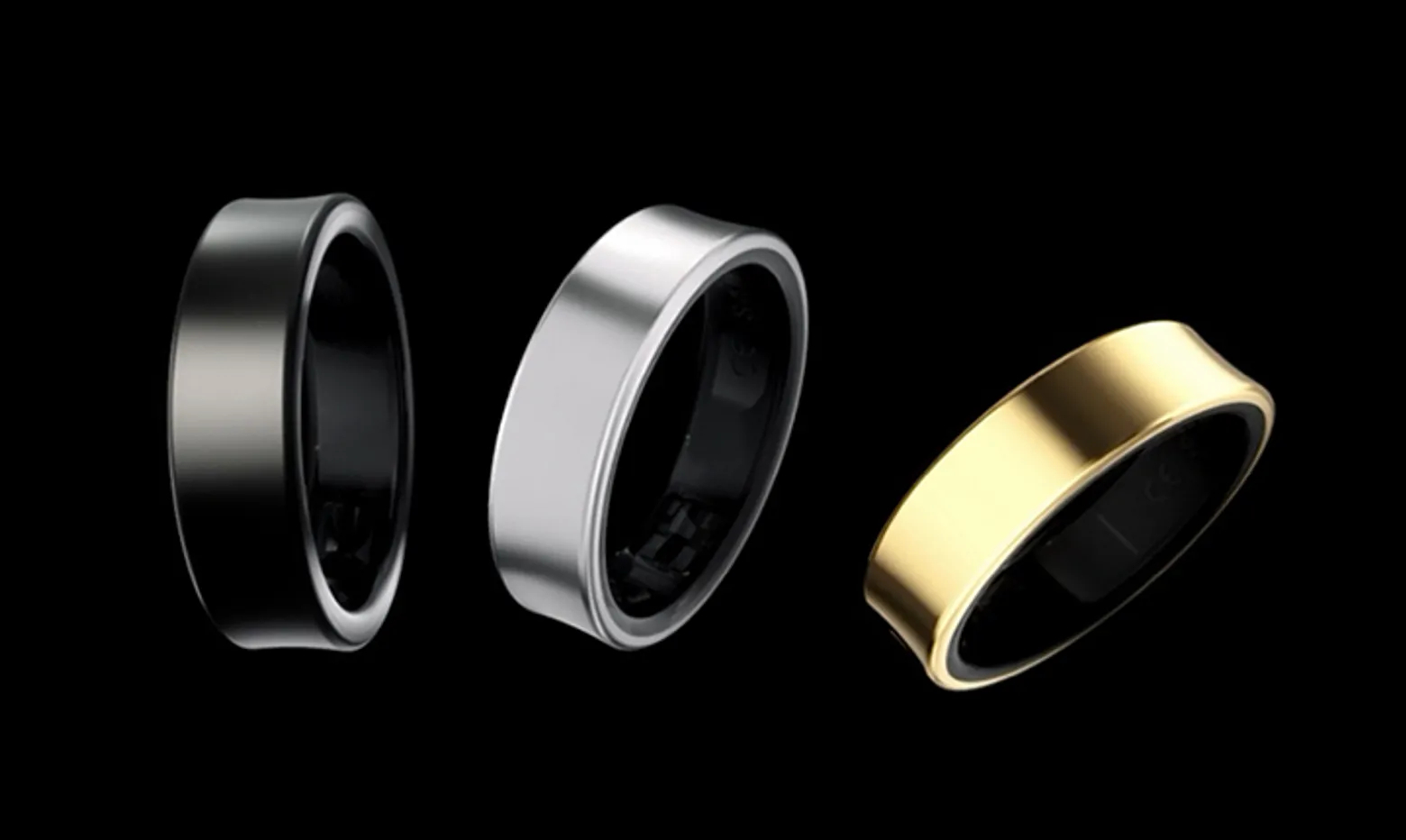
In September 2025 tech blogger Daniel Rotar (YouTube channel Zone of Tech) reported that his Galaxy Ring smart ring had swollen and become stuck on his finger — he had to seek medical attention and missed a flight. Samsung covered the hotel and new ticket costs and took the device for inspection. Rotar wrote on the social network X in January 2026 about the completion of the investigation.
"Samsung has completed the investigation into my Galaxy Ring."
— Daniel Rotar, blogger (ZONEofTECH)
Result of the investigation
According to Samsung's official statement and the findings of an independent external agency, the cause of the ring's deformation was a crack in the inner structure of the housing. The company emphasizes that no signs of battery problems or systematic design defects were found, and no similar cases have been recorded.
"The investigation concluded that a crack in the internal structure caused the ring's deformation. No signs of battery issues were detected."
— Samsung, official statement
What users should do
Practically speaking: if the ring causes discomfort or cannot be removed — stop wearing it and seek medical help. Samsung advises contacting customer support in case of rapid discharge or other malfunctions so that each case can be considered individually. If you kept the receipt or warranty card — this will simplify the return or inspection process.
Broader context
The incident is important not only as an isolated technical case. Wearable devices collect health data and are used in everyday life — so quality and production control issues have systemic significance. In addition, in November 2025 the Finnish company Oura filed a lawsuit against Samsung for allegedly copying the Ring's design, which adds a legal and market frame to the situation.
Conclusion
This case underscores two things: first, even leading manufacturers can encounter single production deviations; second, transparency in investigations and a company's willingness to compensate damages are key to consumer trust. For users — a simple rule: if something worries you, remove the device and contact support. Whether manufacturers will turn this signal into systemic changes is a question for the market and regulators.