Galaxy S24 exploded during regular scrolling — Samsung wants to take the phone back, but remains silent for now
A smartphone emitted smoke, swelled up, and exploded in its owner's hands without any visible reason. Samsung requested the device for an internal investigation, but has not provided any explanation to date.

By Tetiana Suchkova-Ladik
May 14, 2026 · 2 min read
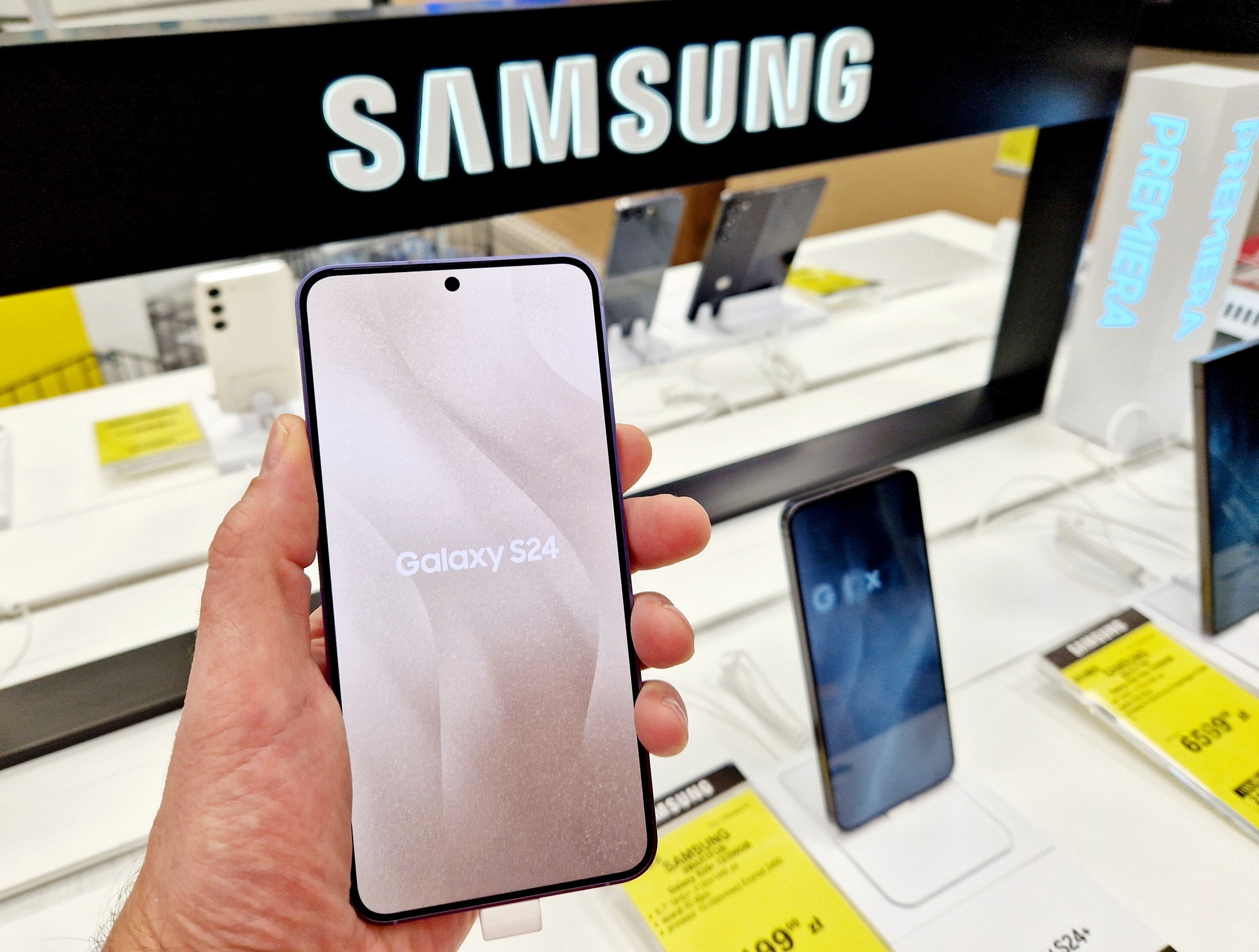
On May 11, a South Korean user was browsing the internet on his Galaxy S24 when the phone suddenly began smoking. The battery expanded within seconds — faster than the owner could discard the device. The lower part of the casing ruptured, the person suffered burns and inhaled smoke, after which he was hospitalized.
The incident became known through a Reddit post. The device was not being charged at the moment of the explosion, showed no signs of falls, and had never been repaired — meaning there are no typical "excuses" for the manufacturer. Firefighters who arrived at the scene documented signs characteristic of lithium battery ignition.
«I have saved photos, medical documents, and all evidence of the incident. I'm ready to provide additional video materials»
— author of the Reddit post, according to Piunika Web
Samsung's Response
According to Piunika Web, the company told the user it wants to take the device for an internal investigation. No explanations regarding the reasons, timeline, or compensation have been provided so far. This is Samsung's standard procedure following similar incidents, which leaves the victim without an official company position for weeks.
Not the First Case in the Lineup
This episode is not an isolated one. Back in October 2024, a Galaxy S25 Plus began overheating during normal use and then caught fire. That time, Samsung initially acknowledged responsibility but then reversed its position — the company attributed the fire to "external force," according to Android Authority.
On Samsung's official community forum, a separate user from Europe describes a similar situation with an S24 used by his 12-year-old child: the battery exploded, and the company denied service citing «out of warranty».
- Millions of Galaxy S24 units sold — no systematic recall
- Analysts, according to Android Headlines, classify the cases as isolated
- Samsung SDI simultaneously recalled 180,000 automotive batteries due to ignition risk — a different product line, but the same battery manufacturer
Why This Matters Even If It's an Isolated Case
Lithium batteries can ignite without visible damage — due to manufacturing microdefects, separator degradation, or thermal propagation from one cell to another. This is exactly how the Note 7 story began in 2016 — with "isolated" reports that Samsung initially did not consider systemic.
The key difference now: the S24 has been on sale for over a year, there are no mass complaints, regulators are silent. However, the Korean incident reveals a weak point in the response protocol — the company takes the evidence (the device) and leaves the victim without independent expert analysis.
If Samsung publishes the findings of its internal investigation publicly and makes them accessible to independent experts — this would signal that the lessons of Note 7 have been learned. If the case is quietly closed with a payment and without publicity, the question about whether this is systemic will not disappear.



