Galaxy S26: AI photography and satellite connectivity — what it means for Ukrainians and why it matters
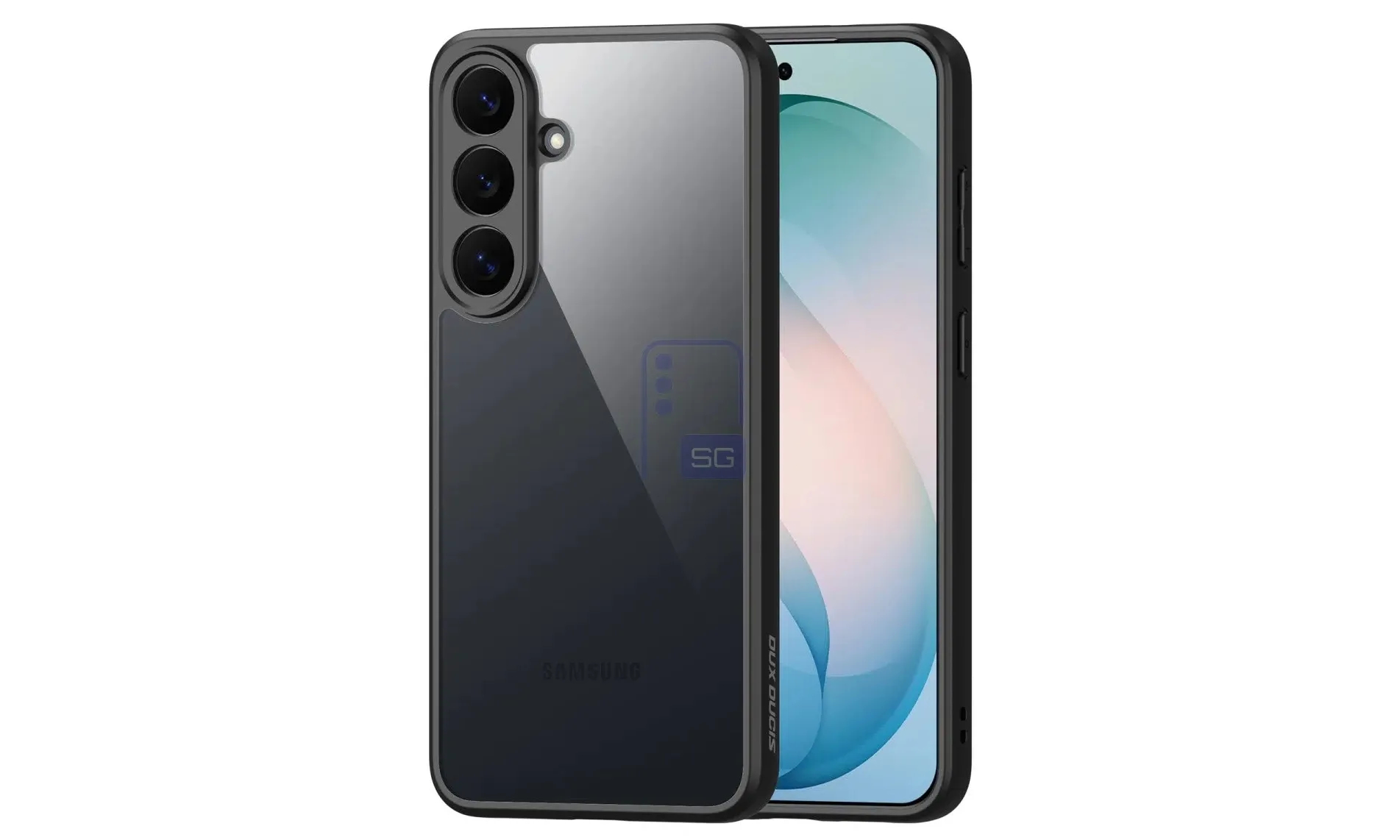
Samsung released a teaser ahead of Galaxy Unpacked: a camera with integrated Galaxy AI and mentions of satellite connectivity in the S26 models could become not only a trend for bloggers but also a resilience tool for journalists, volunteers and businesses in Ukraine.

By Tetiana Suchkova-Ladik
February 18, 2026 · 2 min read

Teaser before the presentation: brief and to the point
A few days before Galaxy Unpacked, Samsung released a teaser that bets on **artificial intelligence in photography**. The lineup is expected to include the Galaxy S26, S26+ and S26 Ultra. The company hinted that new capture and image-processing capabilities will work directly on the phone — without a constant need for separate apps.
What was specifically announced — a short list of features
From the teaser and leaks, several key innovations are known: **changing the lighting in photos**, restoring lost parts of objects, improving details in low light and merging multiple frames into a single photo. At the core is the Galaxy AI system, which is meant to combine capture, editing and sharing of content in one interface.
"We combine capture, editing and sharing of content in a single app — this will allow people to do more without additional tools."
— Samsung Electronics (Galaxy S26 teaser)
Why it matters: speed, privacy, authenticity
First, **on-device processing** means less data sent to the cloud — it's faster and more convenient with slow internet or limited data. Second, local processing provides additional opportunities to protect private data. Third, powerful editing tools improve the quality of photo evidence and visual reports, but standards for preserving metadata are needed so the evidentiary value of an image isn't lost.
Satellite communication in the S26 — not just a gimmick
According to tech publications, Samsung may add satellite communication to all S26 models. For Ukraine this is more than a convenience: a **backup communication channel** is relevant during local outages, in hard-to-reach areas or for quick transmission of critical information. Journalists, volunteers and small businesses could gain an additional level of communication resilience.
At the same time, it's worth remembering the limitations: satellite communication depends on partner networks, regulatory approvals and may use more battery power. It's a backup tool, not a full replacement for GSM/4G/5G networks.
How this will affect the Ukrainian context
Integrated AI features make the smartphone a useful tool for those documenting events: quick light correction, reconstruction of damaged frames, merging frames for better readability of details — all of this improves the quality of materials for media and volunteer reports. The satellite channel adds stability during crises. But there's also a challenge: as editing tools develop, the need grows for standards to verify content — to distinguish authentic testimony from manipulation.
Conclusion
Samsung is betting on a **comprehensive approach**: combining capture, editing and communication in a single device. For Ukrainian users this is a chance to get a more resilient and functional tool for working under limited networks and information stress. The next question is whether media, volunteer initiatives and government bodies will be able to quickly adapt and write rules for preserving the authenticity of digital evidence in the age of mobile AI.