Galaxy S26 Ultra: new chip, Privacy Display and AI — what they mean for Ukrainian users
Samsung unveiled the flagship Galaxy S26 Ultra — a more powerful processor, expanded AI features, and a screen privacy mode. We explain why these changes matter not only to tech enthusiasts but also to journalists, volunteers, and professionals in Ukraine.

By Tetiana Suchkova-Ladik
February 25, 2026 · 3 min read
Briefly, the main points
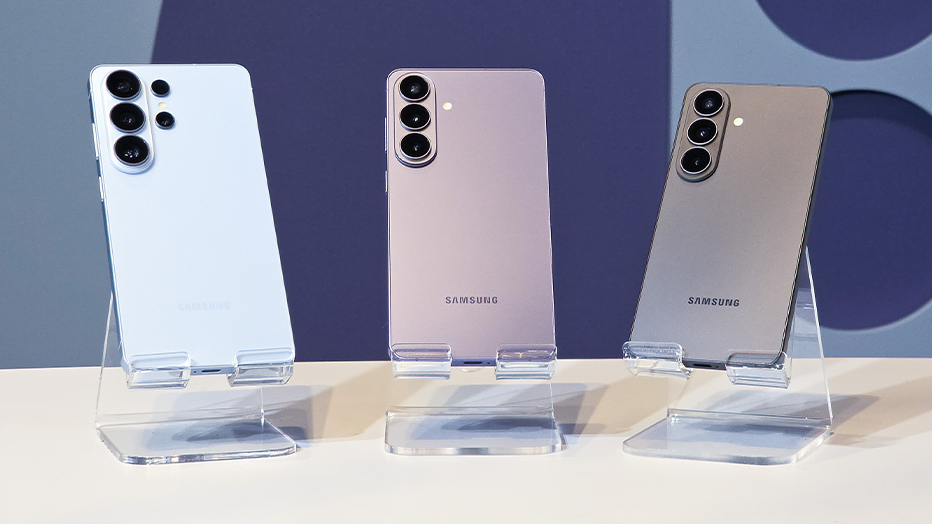
Samsung has officially unveiled the Galaxy S26 Ultra — the flagship model of the new series, running Android 16 with One UI 8.5, supporting 5G and Wi‑Fi 7. The device is powered by the Snapdragon 8 Elite Gen 5 for Galaxy chipset, features a 6.9‑inch Dynamic AMOLED 2X display (QHD+, 1–120 Hz) and a 5000 mAh battery capable of charging to 75% in about 30 minutes.
"The Galaxy S26 Ultra combines high performance with privacy and AI tools to help users work faster and more securely."
— Samsung Electronics, press release
Display and Privacy Display: practical protection in crowded places
The new model received a Privacy Display feature that narrows the screen’s viewing angle — useful when entering passwords or working with sensitive information on public transport, in the office, or in temporary locations. For users in Ukraine, this is not just about convenience: in the context of increased informational activity, the ability to reduce the risk of shoulder‑surfing has practical value.
Cameras: 200 MP and video for professional tasks
The main camera is 200 MP, accompanied by a 50 MP ultra‑wide module and two telephoto lenses (3x and 5x optical zoom, up to 10x optical‑quality zoom). For video, Samsung adds a new APV codec that reduces quality loss during editing. This is important for journalists and volunteers who shoot in the field and then edit material on the go.
Galaxy AI: useful prompts and integration with major services
Updated Galaxy AI features include Now Nudge, personalized Now Brief summaries, and expanded Circle to Search (recognition of multiple objects). The smartphone also integrates third‑party AI services, including Gemini and Perplexity; some tasks can run in the background. This increases productivity but also raises questions about data routing and privacy — pay attention to the settings and the data‑handling policies of the services you use.
Performance and endurance
According to the manufacturer, CPU performance has increased by up to +19%, and graphics by up to +24% compared with the predecessor. The updated cooling system is said to provide stable operation during long shooting sessions or gaming. For those who use the phone as a work tool in the field, this means less overheating and a more stable frame rate.
Prices and availability in Ukraine
The model is available in 12 GB/256 GB, 12 GB/512 GB and 16 GB/1 TB configurations; it has IP68 protection. Preorders in Ukraine start on 25 February, and the starting price for the 256 GB version is 64,999 UAH. For organizations and professional users this is an important figure when assessing the price‑to‑feature ratio — especially if large storage capacities or specific camera and network capabilities are required.
What this means for Ukrainian users
This is not a revolution, but a consistent upgrade: a stronger chip, improved cameras, expanded AI and privacy features make the S26 Ultra an attractive tool for those who create content, work in the field, or need a reliable device for demanding tasks. For some audiences — journalists, volunteers, IT professionals — these capabilities may justify the investment. For others, it’s worth assessing whether these particular upgrades are necessary now or whether it’s better to wait, given the cost and actual needs.
Summary: The Galaxy S26 Ultra is a tool for productive work and privacy protection in situations where material is created and shared quickly. Whether to upgrade now depends on how critical the camera, AI capabilities, and new connectivity standards are for you.