Garmin Approach J1: kids' golf smartwatch with 10-day battery life — a tool for young athletes
Garmin has unveiled the compact Approach J1 model for children — a device with GPS, training instructions, and a battery life of up to 10 days. It’s not just a gadget: another step toward making precise data accessible to coaches and parents raising a new generation of golfers.

By Tetiana Suchkova-Ladik
January 21, 2026 · 2 min read
What it’s about
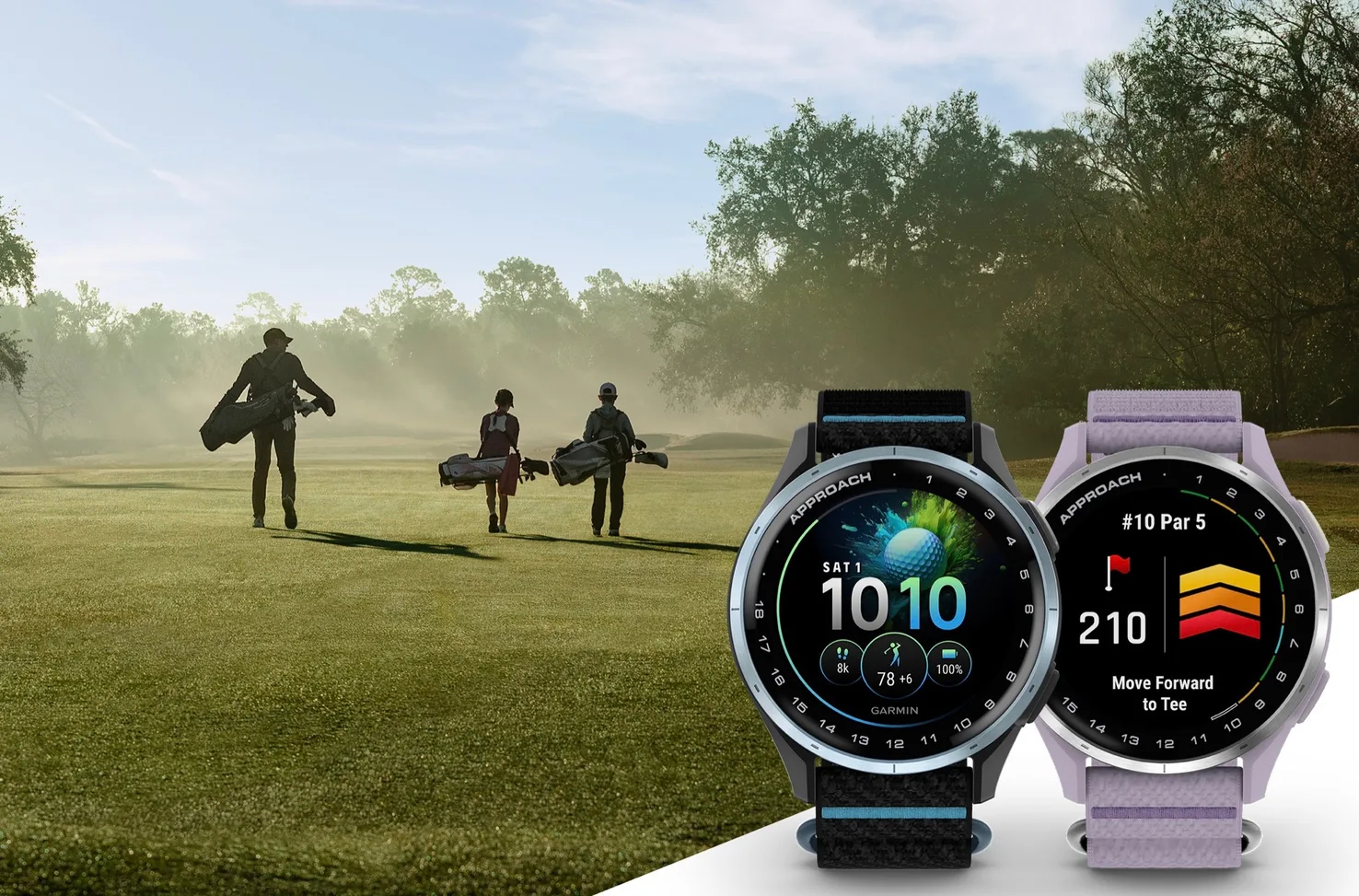
Garmin has announced the Approach J1 — a children’s version of its golf lineup, made for narrow wrists and the needs of young players. The model combines basic sports features with golf‑oriented tools and is designed for long battery life.
Why it’s useful for young golfers
The watch offers a visual timer to control pace of play, tips for club selection, and the ability to set “par” to the player’s level. Data is recorded directly on the device and syncs with the Garmin Golf app, helping coaches and parents track progress in real time.
"Support for GPS and battery life up to 10 days in normal mode or up to 15 hours with GPS enabled"
— product description, Garmin
Technical and key specifications
- Display: 1.2‑inch AMOLED with a resolution of 390 × 390 pixels.
- Battery life: up to 10 days in normal mode or up to 15 hours with GPS.
- Courses: more than 43,000 preloaded courses.
- Extras: running, walking, cycling; basic features — pedometer, timer, stopwatch, alarm.
- Design: compact case for a child’s wrist; two colors and a ComfortFit strap.
Price and availability
The recommended price is $300 or 350 €. Sales start on 23 January 2026. In the product lineup it is a more affordable model compared with Garmin’s flagships — for example, the Quatix 8 Pro or Venu X1, mentioned by the company in recent announcements.
Context: why manufacturers target children
Developing children’s versions of sports devices is not just marketing. It’s a pragmatic step: forming habits early, providing analytics access for coaches and parents, and expanding the market. For Ukraine this means training tools become more compact and accessible, helping develop youth programs in regions that lack expensive stationary equipment.
Summary
The Approach J1 doesn’t change the rules of the game, but it makes the game more accessible for young people: accurate data, long battery life, and ease of use — the very components needed at the start of a sporting career. Whether the J1 will be the first gadget in the hand of a young Ukrainian golf champion will depend on how quickly such devices are adopted in training practices and youth support programs.