Garmin Venu X1 in Soft Gold — premium look and discounted price: what this means for buyers in Ukraine
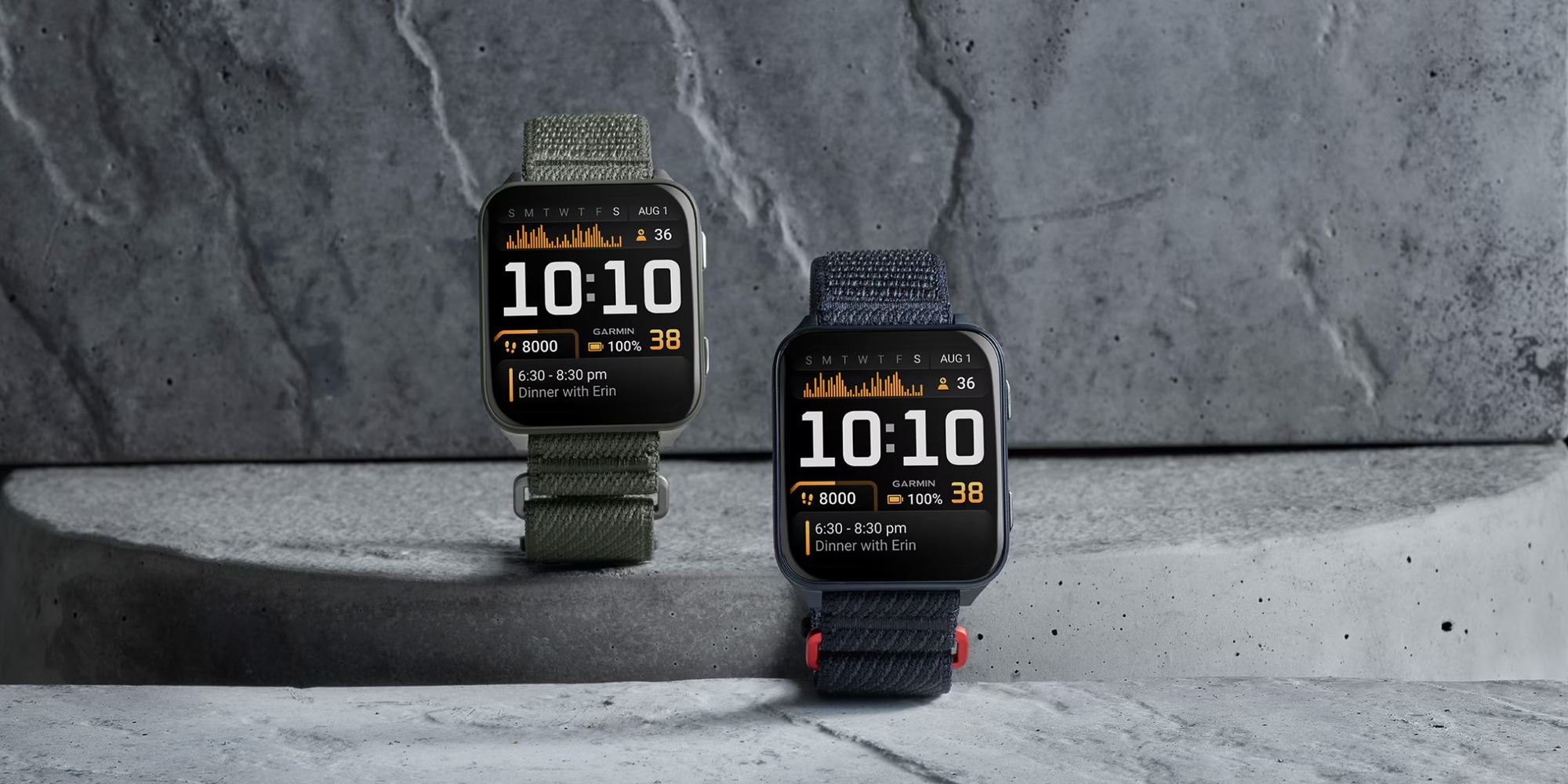
Garmin has added a Soft Gold option to the Venu X1 lineup, featuring a titanium back cover and a French Grey nylon strap. The device retains the technical specifications of its predecessor but costs $100 less and is already available in Ukraine from UAH 39,396 — we explain why this matters.

By Tetiana Suchkova-Ladik
January 8, 2026 · 2 min read
In brief: new look, same innards — better price
Garmin has officially unveiled an updated version of the smartwatch Venu X1 in the Soft Gold shade with a titanium rear cover and a French Grey nylon strap. The model keeps the predecessor’s hardware base but received a noticeable price correction: $700, which is $100 less than the Venu X1’s launch price in 2025. The watch is already available on Garmin’s site and major retailers, including Amazon, and in Ukraine the starting price is from 39,396 UAH.
"This variant has the same specifications as the previous models"
— Garmin, official product page
Technical highlights
The Venu X1 in Soft Gold does not change key specifications: case thickness — 7.9 mm, display — 2-inch AMOLED, battery life — up to 8 days, water resistance — 5 ATM. A flashlight is integrated into the case, and weight with the strap is about 40 g. This combination makes the model versatile for daily use and active workouts.
Price and availability: what matters for Ukrainians
The $700 price is a significant drop from the 2025 launch figure. For the Ukrainian market, not only the nominal dollar price matters but also availability at local retailers, customs and trade markups. Presence on Amazon and through the official distributor increases the chances of service support and warranty — especially important during the war, when logistics and after-sales service remain a risk.
Market context: between premium and mass market
Against the backdrop of presentations of other models (for example, the Fenix 8 Pro 2025 with satellite connectivity and MicroLED for $2,000 or the Google Pixel Watch 4 with automatic workout detection), the Venu X1 is positioned as a compromise between functionality and style. For those seeking a lightweight, aesthetic and long-lasting watch without ultra-advanced features at the $2K level, the new Soft Gold is an attractive option.
What this means in practice
First, the price reduction makes the Venu X1 more accessible for the Ukrainian buyer who seeks a balance between quality and cost. Second, the titanium element and new colors underline a trend: manufacturers are betting on a stylish device that doesn’t look “just sporty” in a training sense, but also suits urban life. And finally, steady availability at retailers means a lower risk of disruptions in warranty service.
Summary: the updated Venu X1 is not a technological revolution but a pragmatic update in design and price. A question for the buyer: are ultra-specialized features at a higher price more important to you, or everyday comfort and style? For many Ukrainians, the answer currently leans toward a moderate premium model.