Google I/O 2026 — May 19–20: AI, Gemini games, and what it means for Ukraine
Google has officially confirmed the dates for I/O 2026. Two days of announcements about Android, Gemini and major investments in AI — why this matters for security, startups and Ukraine’s labor market.

By Tetiana Suchkova-Ladik
February 18, 2026 · 2 min read
Brief — why read this
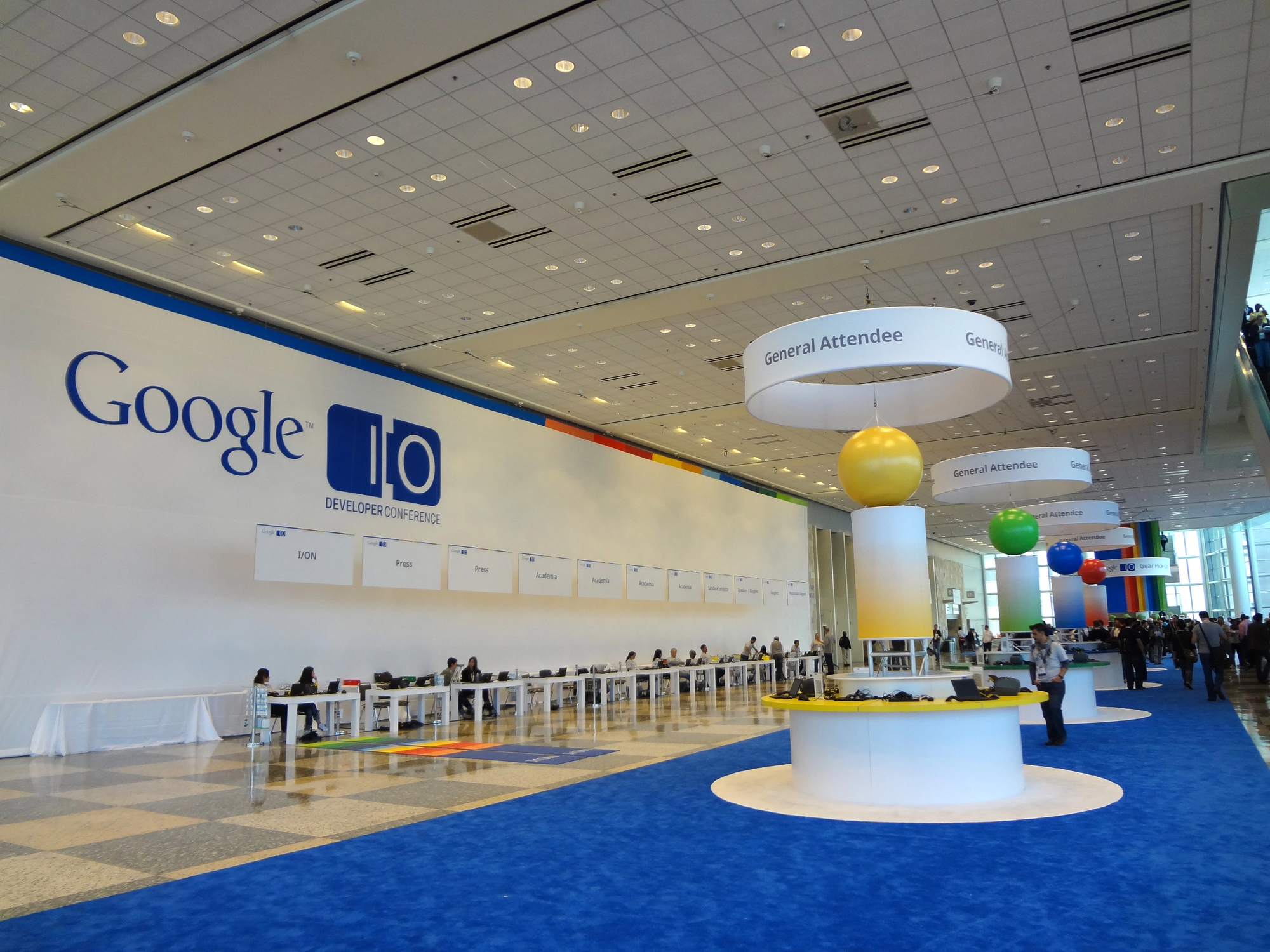
Google has confirmed that the annual Google I/O 2026 conference will take place May 19–20. Traditionally, the keynote presents major announcements — Android updates, new service features and large developer tools — and will be streamed online for free. For Ukrainian developers and companies this is not just a show: these are the tools that will shape the labor market, product architecture and the use of AI in business and security.
What will be shown
At I/O, changes to Android, new capabilities for developers in the Google ecosystem and AI integration into services are usually presented in detail. This year attention is additionally focused on Gemini — Google's large model — and the services built on it that create media and developer tools.
In addition, Chrome already features an image generator called Nano Banana based on Gemini. The company also announced plans to double its AI investments to $185 billion — underscoring Google's large-scale focus on next-generation compute and platforms.
Interactive announcement via Gemini
The conference dates were announced not with a dry press release but through an interactive puzzle on the I/O site, created using Gemini. Users were offered several mini-games: mini-golf with the virtual Gemini assistant, a nonogram logic game in the Picross style, Word Wheel with automatically generated levels, Super Sonicbot controlled via the microphone, and Stretchy Cat with dynamic difficulty. This demonstrates how Google is making interaction with models more playful and accessible to general users.
"See you all at Google I/O starting May 19th! https://t.co/KgNKbb3nMu pic.twitter.com/OD6x3IYtTi"
— Sundar Pichai, CEO of Google (Twitter)
Why this matters for Ukraine
Security: the development of AI and automation tools affects cyber defense and threat detection capabilities. Ukrainian cybersecurity units and defense-tech startups will watch the tools Google shows, because some of them are quickly integrated into product solutions.
Economy and jobs: new SDKs, APIs and services shape demand for skills — from machine learning to mobile app integration. For Ukrainian developers this is a chance to export products and services, and for the job market to shift toward higher-paid roles.
Innovation and infrastructure: Google's large-scale AI investments mean new services and platform solutions. Ukrainian companies should assess dependence on external services and at the same time seek ways to adapt locally — both technically and in terms of data regulation.
What’s next
Google I/O is not just a list of features. It is a signal to the ecosystem: which tools will become standard, where investments will flow, and which skills will be in demand. For Ukraine it is important not to miss the presentations, but even more important to plan the conversion of announcements into concrete projects, education and government policy in the digital sphere.
Conclusion
May 19–20 will be two intense days for developers and businesses around the world. The question for the Ukrainian community: will we be able to quickly transform these technological signals into practical solutions for security, the economy and the independence of our digital infrastructure?