Google Cannot Sell Smart Glasses Without a Fashion Brand. Gucci Is the Next Attempt
# Kering Announces Launch of Gucci Glasses on Android XR in 2027 — But Specs, Price, and Even Product Name Don't Exist Yet. The Main Bet: A Luxury Logo Should Do What Engineering Hasn't Been Able to Achieve.

By Tetiana Suchkova-Ladik
April 17, 2026 · 3 min read
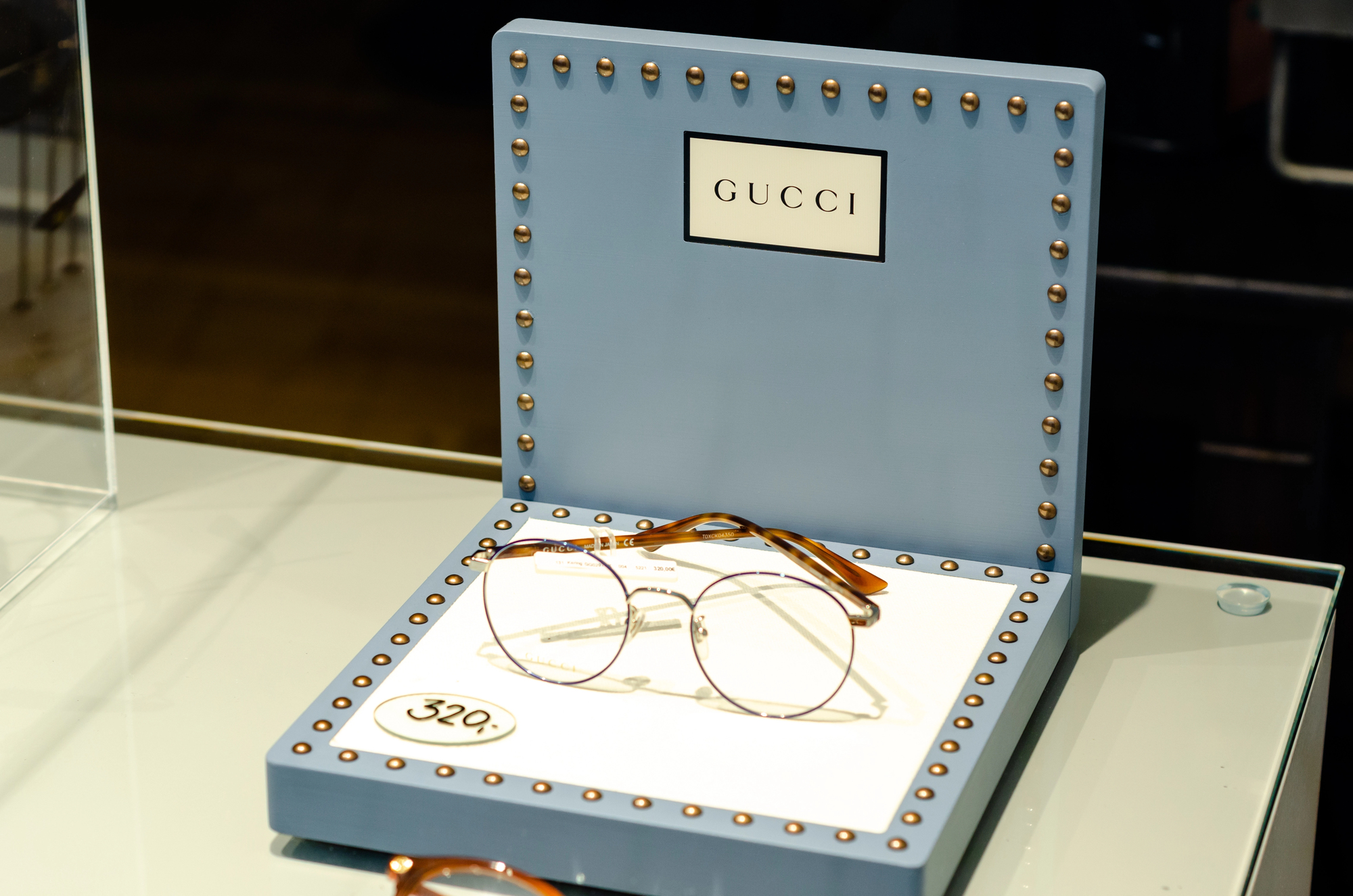
Google has already failed with smart glasses once before. Google Glass exited the market in 2015 — not due to technical flaws, but due to social rejection: people wearing cameras on their faces were not allowed into bars and were called "Glassholes." Now the company is returning with a different strategy: instead of convincing, it will be dressing.
What was announced — and what's missing from the announcement
At the capital markets day in Florence on April 16, Kering CEO Luca De Meo confirmed to Reuters that the company plans to release smart glasses under the Gucci brand in partnership with Google. When asked about the timeline, he answered laconically: "Probably next year, 2027."
The partnership between Kering and Google has existed since May 20, 2025 — that's when the holding officially announced cooperation for developing glasses on the Android XR platform. However, De Meo's current statement is the first public tie to a specific year. According to Digital Trends, no specifications, price, functional description, or even a working product name has been revealed yet. Google has not officially commented on the statement.
"Gucci has 105 years of history and must return to its most recognizable classics."
Luca De Meo, CEO Kering — Reuters
What is Android XR and why it matters
Android XR is Google's platform built on Gemini, which the company describes as the first Android system of the spatial computing era. According to Prism News, the glasses concept includes a camera, microphones, speakers, and an optional lens display — for navigation, real-time translation, messaging, and photos.
Google plans to release the first Android XR glasses, "Project Aura," in 2026 — in a massive black plastic frame resembling Ray-Ban Meta. Gucci, if the project is realized, will become the premium layer on top of the same platform.
Context: Google is building an entire coalition of brands
Kering is not Google's only fashion partner. According to Prism News, the company has also signed deals with Warby Parker and Gentle Monster. The deal with Warby Parker involves Google's commitment of up to $150 million — with up to $75 million for product development and up to $75 million as an investment in equity capital.
The competitive benchmark is Ray-Ban Meta by EssilorLuxottica: in 2025, sales exceeded 7 million units, tripling year-over-year. Meta is already negotiating to expand production capacity to 20 million units. According to nss magazine, rumors are also circulating in the media space about a potential Meta alliance with Prada — another brand in Kering's portfolio.
Kering's logic: glasses as a crisis management tool
De Meo simultaneously announced the ambition to double Kering's operating margin and relaunch Gucci after several years of weak sales. The growth directions he named separately were jewelry and glasses. Smart glasses in this context are not just a technological experiment, but an attempt to find a new growth point for a brand that has lost momentum.
This is not Gucci's first technology partnership: previously, the brand collaborated with Oura on a premium smart ring.
The problem the brand must solve instead of Google
As Prism News notes, the smart glasses category is still struggling with distrust — cameras, microphones, and constant connectivity evoke associations with surveillance. Google Glass failed precisely here: the technology existed, but social approval did not. The bet now is that the Gucci logo on the frame removes this barrier where technical specifications could not.
Google's XR division head Shahram Izadi characterizes the project as a "fusion of immersive software, fashion, and functionality" — but this is so far a description of positioning, not a product.
If Google releases "Project Aura" by the end of 2026 and the market accepts the device, Gucci will get a platform with proven demand and will be able to capitalize on the premium. But if the first generation of Android XR glasses repeats the fate of Google Glass — no luxury brand will save the second attempt.



