Google transformed iPhone into a file receiver from Android — via cloud and QR code
Quick Share now sends files to iPhone without installing any apps. However, it's not peer-to-peer: data passes through Google's servers and remains there for up to 24 hours.

By Tetiana Suchkova-Ladik
May 15, 2026 · 2 min read
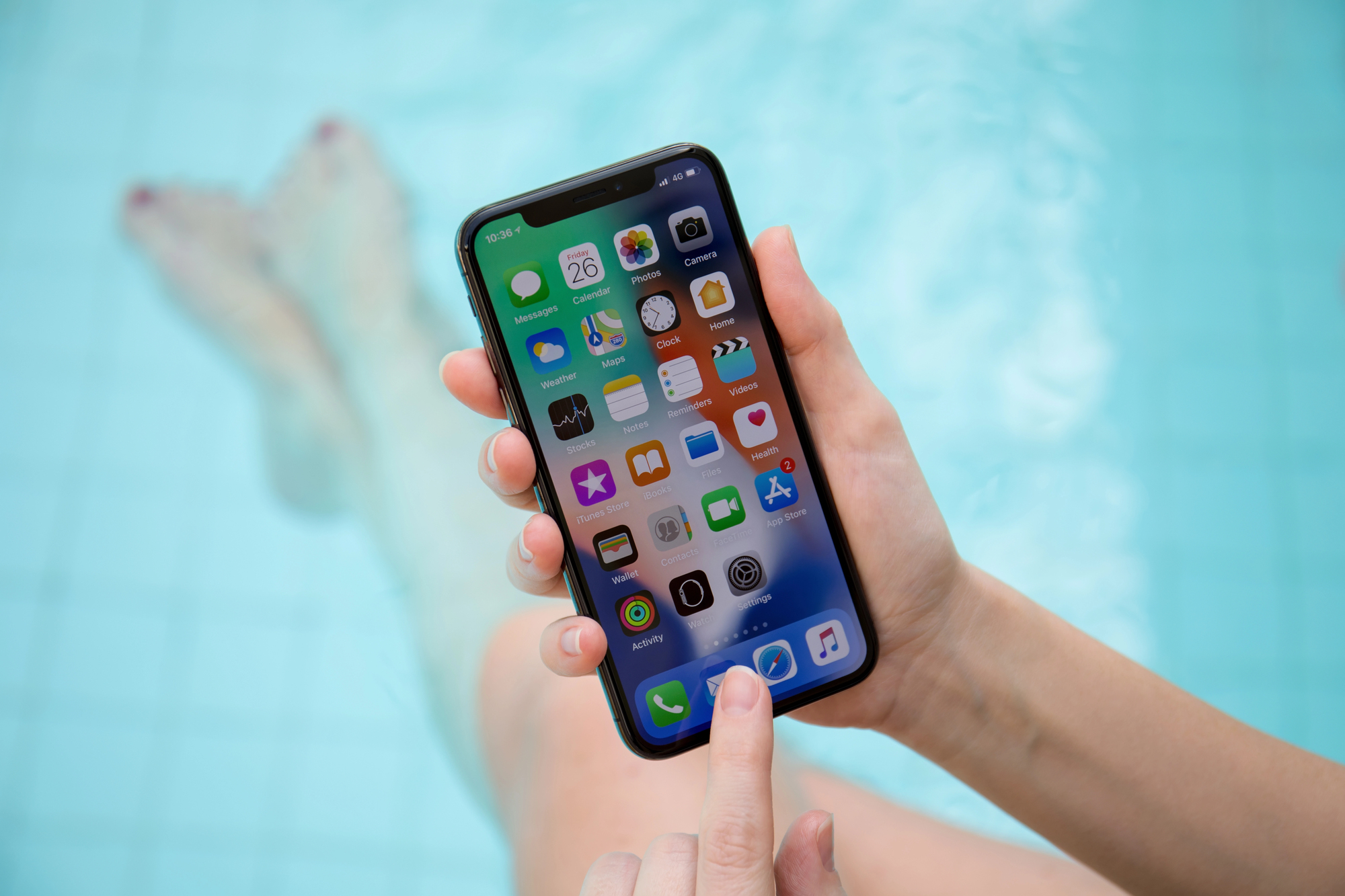
If you've ever tried to transfer a video from Android to iPhone, you know the ritual: a messenger with compression, a cable, or a shared cloud storage with login credentials. Google has decided to resolve this issue through Quick Share — and did it surprisingly simply.
How it works
The sender on Android opens Quick Share, selects a file, and generates a QR code. The iPhone owner scans it with the standard camera — without any app — and gets a download link. No accounts, no approvals from Apple.
An important detail that's easy to miss: the transfer doesn't happen directly between devices, but through Google's servers. Files are stored in the cloud for up to 24 hours with end-to-end encryption, after which the link is automatically deactivated. For the function to work, both devices need internet — Wi-Fi or mobile data.
How this differs from AirDrop mode
In parallel, Google is also rolling out another mode — direct Quick Share compatibility with AirDrop without the cloud. However, as ain.ua explains, the peer-to-peer option is currently limited to the Pixel 10 series. The QR method, on the other hand, works on any Android smartphone with Android 6 and newer — and it's this method that becomes the mass solution in the coming month.
«If you don't have a compatible device, Quick Share can generate a QR code to instantly share files with iOS through the cloud»
Google, official announcement at The Android Show 2026
Practical limitations
- Maximum size: up to 10 GB per session
- Files live on Google's servers for exactly 24 hours
- Internet required on both devices — without Wi-Fi there may be data usage
- One-way transfer only: Android → iPhone (reverse direction via QR is not supported)
Why this matters now
Google announced the expansion of Quick Share to popular applications — notably WhatsApp. If this happens, the function will stop being a "setting for advanced users" and become part of daily file sharing for billions of users. At the same time, it's worth noting the context: according to MacRumors, Google also collaborated with Apple on data transfer from iPhone to Android as part of the EU Digital Markets Act (DMA) requirements — the QR feature appears to be part of a broader strategy to lower barriers between ecosystems.
The question remains open: if Google integrates Quick Share into WhatsApp and files regularly pass through its servers — will users accept such a compromise between convenience and data control when a direct transfer alternative emerges?