Google Play Services "Drains" Battery on Galaxy Watch — Samsung Remains Silent
After recent updates, Google Play Services began consuming over 10% of the battery on Galaxy Watch devices across various generations. Samsung has not responded, while users are seeking workarounds on their own.

By Tetiana Suchkova-Ladik
April 14, 2026 · 2 min read
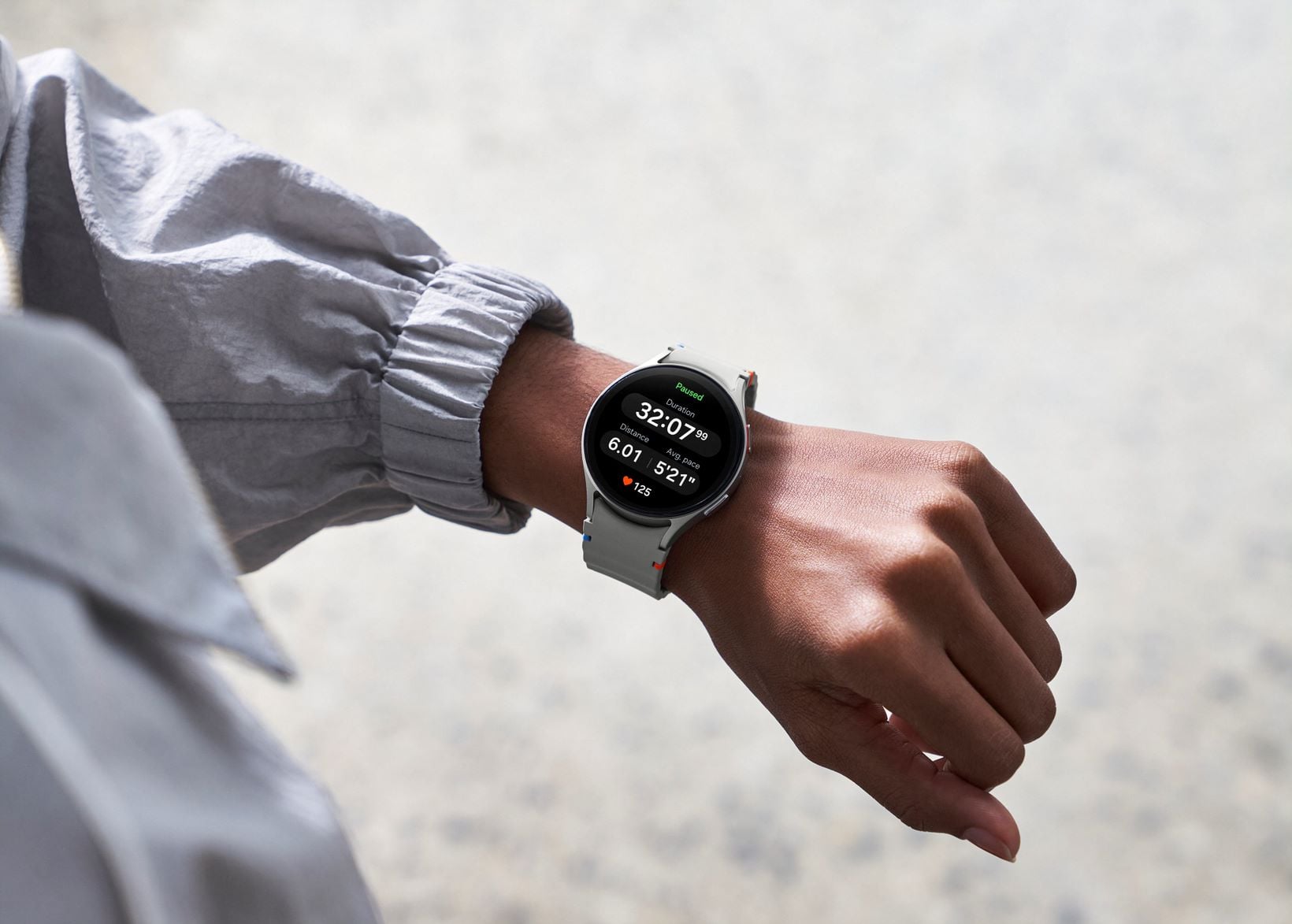
If your Galaxy Watch suddenly started draining twice as fast — the problem is likely not with you. A few weeks ago, owners of various Galaxy Watch models noticed a sharp drop in battery life: Google Play Services turned out to be the main culprit in battery statistics. The issue affected Watch 7, Classic 6, Classic 8, and Ultra 2025.
The numbers
According to one Reddit user, their Galaxy Watch Ultra previously held a charge for four days without AOD — now the situation is drastically different. In other cases, Google Play Services accounted for over 15–25% of total battery consumption — and continued to grow. In most documented cases, the service exceeds 10% of total consumption.
Key detail: user behavior hasn't changed. People weren't installing new apps or changing settings — the problem appeared after a security update or an update to Google Play Services itself.
What the community has already tried
- Clearing the cache and storage of Google Play Services — provides a temporary effect.
- Uninstalling and reinstalling Google Assistant on the watch — some users report the problem disappearing after this step.
- Restarting stabilizes the situation briefly, but doesn't solve it.
- Factory reset — an extreme option that also doesn't guarantee results.
"Google Play Services showed 60% consumption on my Watch 6 Classic. After uninstalling and updating Google Assistant — zero problems."
Samsung Community user
Why this isn't just an inconvenience
Google Play Services isn't an ordinary app. It's responsible for sensors, Bluetooth, GPS, and most of the watch's background functions. When it malfunctions, affected watches essentially turn into trackers requiring daily charging — even those models positioned as "week-long" devices.
That's where the real conflict emerges: updates that were supposed to improve security have degraded a key product characteristic. And neither side — neither Samsung nor Google — has taken public responsibility.
Manufacturer response: silence
Samsung has not officially responded to the problem. Android Authority reached out to the company for comment and is waiting for a response. Since the issue affects multiple models, a fix will likely come jointly from Samsung and Google.
But for now — no timelines, no confirmation. Users are left either waiting or experimenting with Google Assistant on their own.
If the next security update comes out without fixing this regression — how many users will simply decide that "Samsung watches drain quickly" and choose a different platform next time?