Google Refused to Copy Apple — While Doing Exactly That
Android President Samir Samat publicly dismissed the idea of a "glass-style" interface in the manner of Apple. However, internal builds of Android 17 are already filled with blur effects and semi-transparency effects.

By Tetiana Suchkova-Ladik
May 7, 2026 · 2 min read
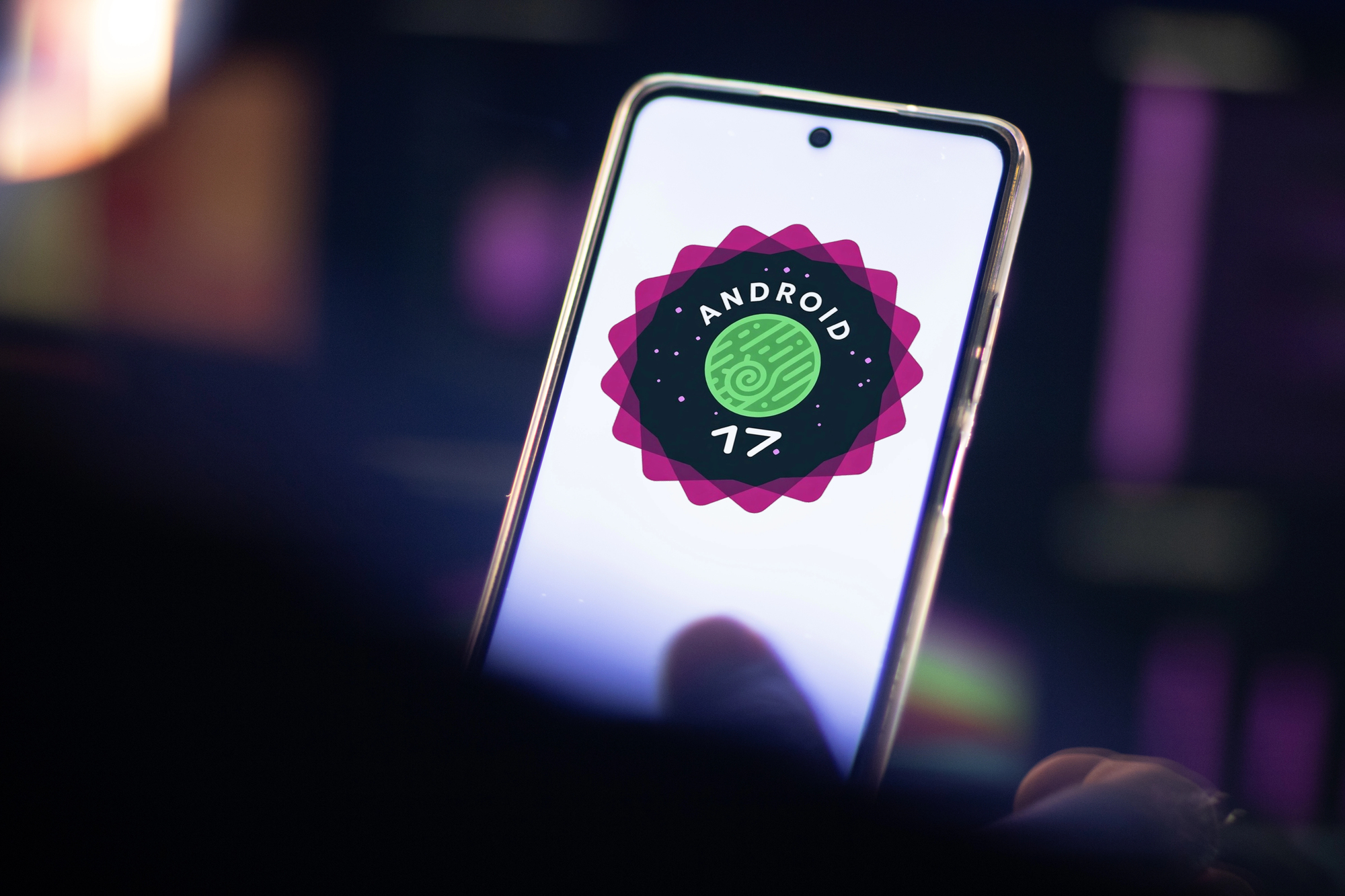
When Android President at Google Samir Samat saw a concept of Android with "liquid glass" — a direct allusion to Apple Liquid Glass from iOS 26 — he reacted quickly and unambiguously: there would be no such design on Pixel. It seemed like the matter was closed.
But a few days before that, 9to5Google and Android Central gained access to internal builds of Android 17 with the codename Cinnamon Bun — and there blur and semi-transparency are already integrated into the system interface: power menu, volume slider, background panels. Flags in the code are directly labeled as "blur".
Not Liquid Glass, but frosted glass
The difference between Samat's position and what's in the code is not a lie, but branding. Google truly doesn't take Apple's name and doesn't copy it pixel by pixel. Instead, the company is developing its own Material 3 Expressive — a design language presented in 2025: more vibrant animations, elastic transitions, dynamic color palette. Android 17 expands this system, replacing solid backgrounds with a "frosted glass" effect, where content behind the active element shows through.
"It appears that blur is spreading throughout the OS — from notifications to volume and power menus. Dynamic color in this case tints the blurred surfaces so that transparency doesn't look empty."
Android Central, based on internal Android 17 builds
Why this isn't a trifle
The trend is not limited to Google and Apple. As Android Central notes, Xiaomi, Oppo, and Honor have long integrated semi-transparent UI into their own shells — long before iOS 26. That is, Google is not so much following Apple as it is catching up to the market standard established by Chinese manufacturers. Samat is technically right: Pixel won't get Liquid Glass. But Android 17 will look familiar to anyone who has held a MIUI or ColorOS device in their hands.
- Material 3 Expressive (2025) — animations, dynamic color, elastic transitions
- Android 17 (expected at Google I/O 2026) — system blur: power menu, volume, panels
- iOS 26 Liquid Glass — complete overhaul of Apple's interface with transparent layers
The question is not whether the result looks similar. The question is whether Google I/O will be able to convince that Material 3 Expressive + blur is an independent aesthetic position, not a reaction to a trend. If the stage shows specific UX solutions that don't exist in iOS 26, Samat's argument will become stronger. If not — public denial will only sharpen the comparison.



