Grok in Tesla: AI Assistant in European Cars — What It Means for Drivers and for Ukraine
Tesla announced the launch of Grok in several European countries. We explain why this is not just about comfort on the road, but also about safety, regulation, and opportunities for Ukrainian specialists and citizens in the EU.

By Tetiana Suchkova-Ladik
February 16, 2026 · 2 min read
What happened
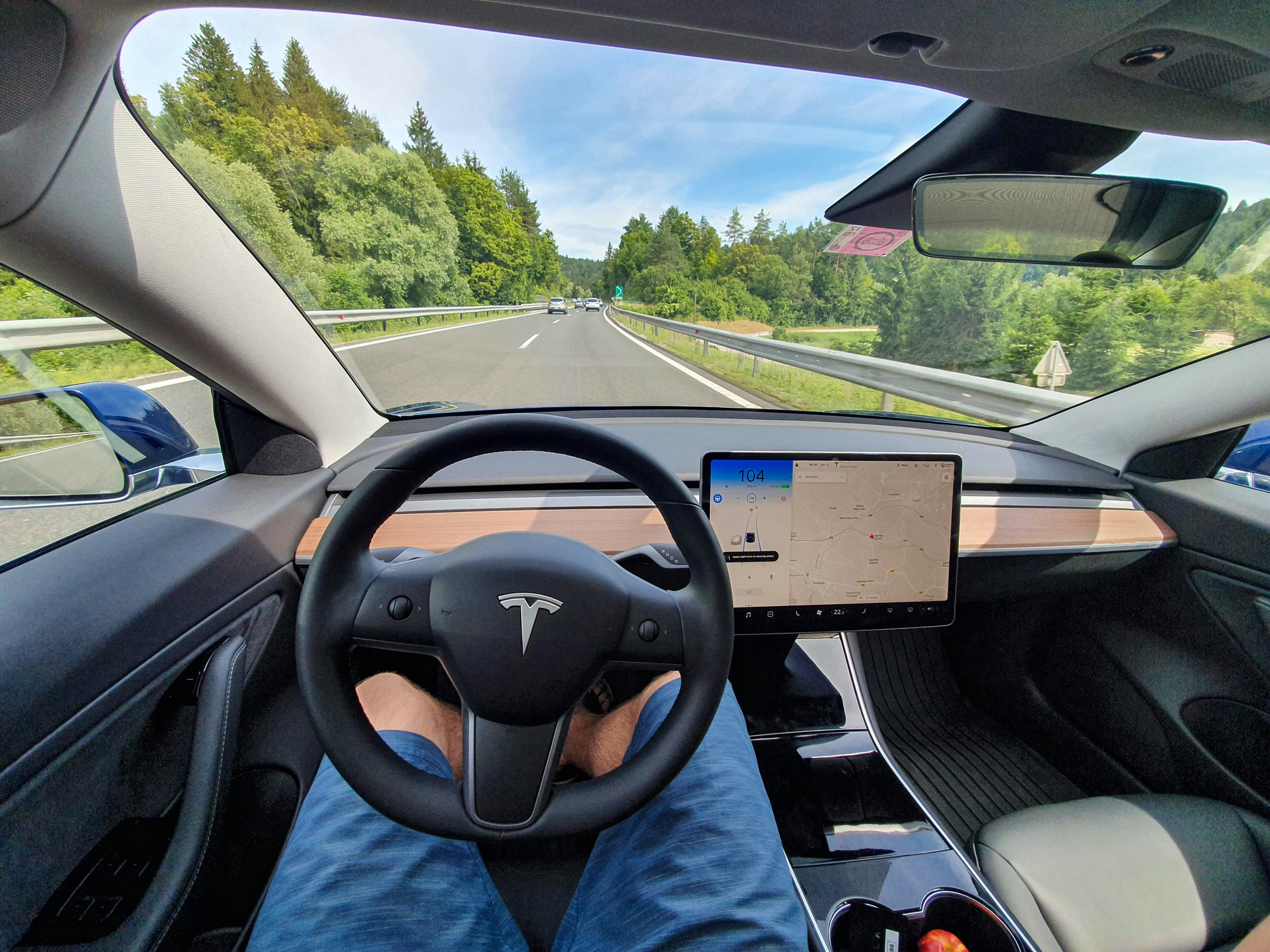
Company Tesla announced on the social network X that its artificial intelligence Grok will become available to Tesla owners in Europe. The first phase of the rollout covers: the United Kingdom, Ireland, Germany, Switzerland, Austria, Italy, France, Portugal and Spain; further expansion to other regions is planned.
"Grok will become available to Tesla owners in Europe."
— Tesla, post on X
What Grok can do
The system answers questions in real time and allows adding or editing navigation waypoints. Essentially, the car's interface becomes more interactive — fewer app switches, more options for voice- and chat-driven control.
Context: technology and the market
Technically: the announcement comes against the backdrop of Tesla updates — the recent release of the Model Y Standard Long Range with a 657 km range and the completion of development of a new chip for the autopilot. This is part of a strategy to bring AI and navigation services closer together in transport.
For the user: faster route adjustments, intuitive phrase- and context-based suggestions, and less dependence on external apps.
Regulatory and safety: connected AI services amplify issues of privacy, cybersecurity and liability. The EU is already paying attention to this; manufacturers and regulators must align innovations with safety requirements.
Why this matters for Ukraine
Practically: for Ukrainians living or working in the EU, access to Grok is a real improvement in comfort and safety when traveling. For Ukrainian companies and IT professionals, it is a signal of demand for skills in AI, telematics and cybersecurity.
Strategically: the spread of autonomous and connected solutions is changing logistics, energy and infrastructure. For states concerned about technological sovereignty, it is important to build domestic capabilities and rules of the game so that innovations serve national interests.
Conclusion
The launch of Grok in Europe is more than just another "feature" in a car's menu. It is a step toward deeper integration of AI into everyday transport, with implications for comfort, safety and regulation. For Ukraine, the question is how to leverage this technological trend: by participating in European software supply chains, strengthening cyber-defense capabilities and working on regulations that will protect privacy and critical infrastructure. Who and how will seize this window of opportunity will be determined by the future balance between innovation and security.