GSC Game World Announces 2026 Plans: First Story DLC and Transition to Unreal Engine 5 — What Will Change for Stalker 2
A Ukrainian studio sums up 2025 and lays out a concrete technical and narrative plan for 2026. We explain why this matters and how game design, security, and Ukraine’s international reputation are interconnected.

By Tetiana Suchkova-Ladik
December 31, 2025 · 2 min read
Studio plans for 2026
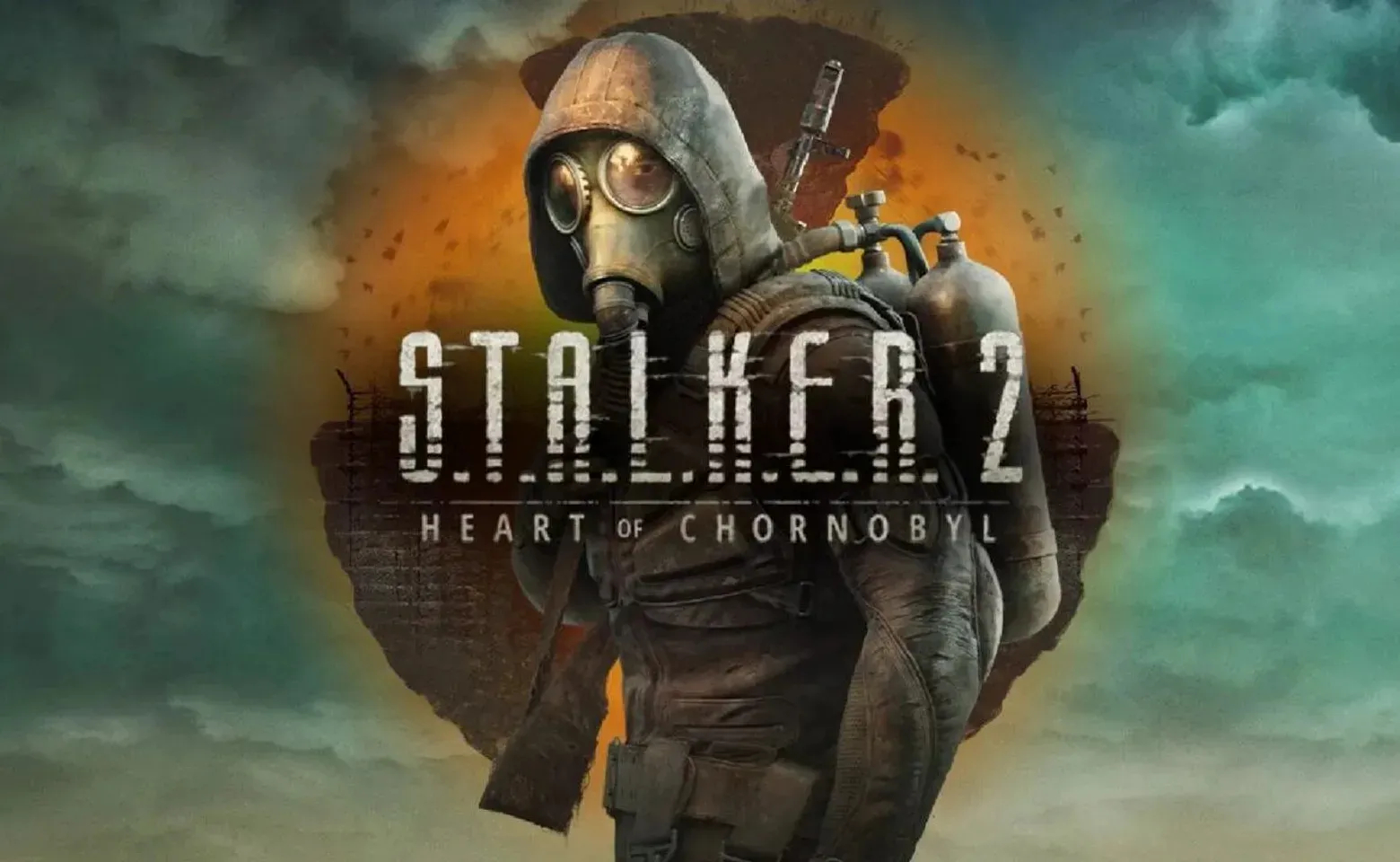
Studio GSC Game World, in a post on the social network X, summed up 2025 and confirmed: in 2026 Stalker 2: Heart of Chornobyl will receive its first story DLC. Details are scarce so far — the team is working on the expansion, but an official description and release dates have not yet been provided.
"Thanks to the community for the support after the release on PC, Xbox and PS5 — we are preparing new stories and technical improvements for you"
— GSC Game World, post on X
At the same time, the developers announced a major technical update: a transition to a new version of Unreal Engine 5. The studio promises this will improve the game's stability and visual quality.
What this means for players and the industry
The first story DLC is not just another tale for fans. It is a tool to retain the audience, an additional revenue source and a signal to investors: the product is alive and will continue to receive support. For players, it's a chance to dive deeper into the world GSC is building around Chornobyl.
The move to Unreal Engine 5 has practical significance: the engine's new tools can improve performance on modern platforms, give developers more possibilities for visual effects and simplify work on future content. For modders and the community, it also opens new prospects — the project's longevity increases.
Context: safety and reputation
Separately, attention should be paid to related initiatives: recently the State Emergency Service (DSNS), together with the developers of Stalker 2, showed a training video on recognizing dangerous objects. This is an example of how a cultural product can intersect with public safety — and reinforce the creator's responsibility in the real world.
The post also mentions that Sony has begun blocking Russian PlayStation accounts. This is part of a broader context — platforms and companies, operating in an intensified mode, affect how gaming ecosystems function amid geopolitical tension.
What’s next
GSC's announcements are a good sign for the Ukrainian industry: the studio confirms its ability to provide long-term product support, perform a technical upgrade and take part in public initiatives. Experts note that successful DLCs and a stable technical platform increase the project's export potential and investor confidence.
Now the work turns to implementation: announcements must become concrete dates, a high-quality expansion and stable technical patches. For players, this means closely following GSC's official channels; for the industry, it means evaluating this case as a marker of the resilience of Ukrainian game development.