Honor Magic8 Pro in Europe: 200MP, Snapdragon 8 Gen 5 and a market-shaping price
Honor has begun official sales of the Magic8 Pro in the UK and EU — not just a smartphone release, but a signal of intensifying competition in the cameraphone segment and of its potential impact on the European tech market.

By Tetiana Suchkova-Ladik
January 8, 2026 · 2 min read
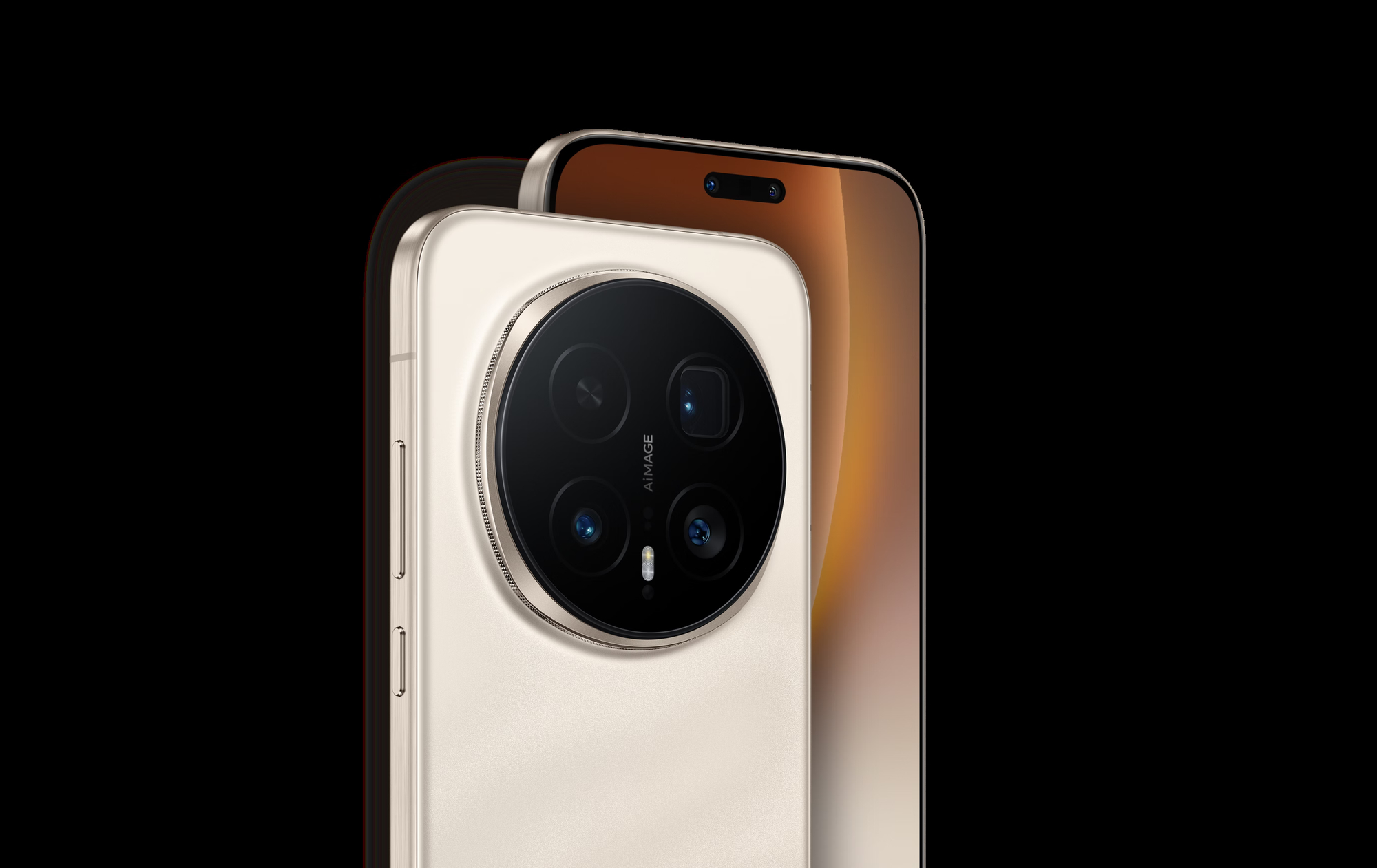
Honor moves into Europe with a technical challenge
Honor has officially launched sales of the Magic8 Pro flagship in Europe — the model is already available in the United Kingdom for £1,099 and in the EU for approximately €1,200. This matters not only as the appearance of a new device on store shelves, but as a marker that the competition over camera performance and raw power is entering a new phase.
Ten words on the specs
The device is offered in a single configuration — 12 GB RAM and 512 GB storage. The display is a 6.71-inch LTPO OLED with a 120 Hz refresh rate. Performance is driven by the flagship chipset Snapdragon 8 Gen 5 Elite. The battery has a capacity of 6270 mAh and supports fast charging, providing solid endurance for everyday tasks and gaming.
Camera: not just megapixels
The main camera module consists of: a 50 MP sensor with optical stabilization, a 50 MP ultrawide with autofocus, and the key highlight — a 200 MP periscope telephoto lens with 3.7x optical zoom. The front camera is 50 MP. This configuration shows the manufacturer is betting not only on sheer megapixels but on the combination of zoom, optics and image processing — what defines a camera's real practical value.
"The Magic8 Pro is created to combine top-tier optics and performance for users who expect professional camera tools and long battery life from their smartphone"
— Honor Europe press service
Why this matters for the market (and for Ukraine)
A price around €1,200 and the technical package mean: competition with Samsung and Apple is intensifying in the high-end segment. For the European market it is also a test of Honor's readiness to operate under strict regulations and logistical requirements. For Ukrainian consumers and the market, access through European channels means a faster flow of official and parallel imports, and therefore — more choice and pressure on prices in the premium segment.
Context: a move in the camera-phone race
The presence of 200 MP in a periscope is a positioning tool. Analysts and mobile-market experts point out that such a focus on optical zoom and very high resolution strengthens competition not only in advertising but in real user experience: close-up shooting, detail and post-processing. Meanwhile, insiders report that Apple has not yet begun testing a 200 MP sensor for the iPhone, so there's a technical maneuver on the market that other players will need to consider.
In sum: the Magic8 Pro is not just another new flagship in a catalog. It is a marker on the map of the European market, where camera technologies and pricing policy will determine buyers' choices. Now the questions are service, updates and real user experience — these will decide whether the device confirms its leader status in field tests.



