Honor unveils MagicPad 4 ahead of MWC — the thinnest Android tablet with Snapdragon 8 Gen 5 and new standards for mobile productivity
Honor announced the MagicPad 4 ahead of the Mobile World Congress. It’s not just record-breaking thinness — its feature set makes the tablet an interesting tool for creators, developers and mobile services, including the Ukrainian market.

By Tetiana Suchkova-Ladik
February 25, 2026 · 2 min read
In Brief
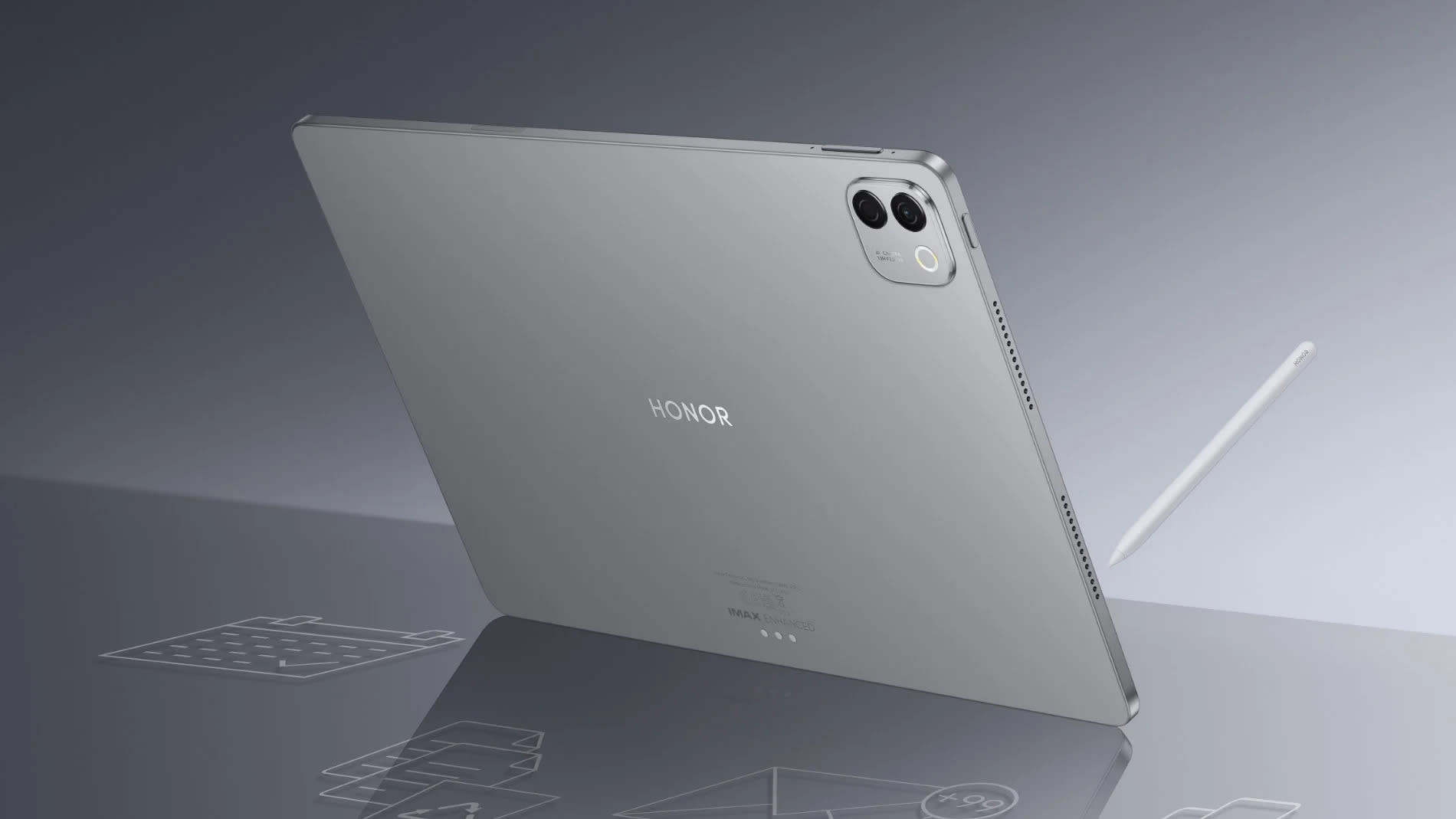
Ahead of Mobile World Congress, the company Honor unveiled the MagicPad 4 — a tablet the manufacturer calls the thinnest Android device in the world. It features a 12.3‑inch OLED display with a 165 Hz refresh rate, a full set of accessories, and a flagship Qualcomm processor.
"This is the thinnest Android tablet in the world"
— Honor, press release
Technical highlights
Display: 12.3" OLED, 165 Hz — the combination of a high refresh rate and OLED contrast is aimed at graphics and video work. For creators, this means smoother rendering and more accurate colors.
Dimensions and battery: the device weighs 450 g (145 g lighter than the previous model). The battery is 10,100 mAh with support for 66 W fast charging included — a balance between endurance and mobility.
Platform and memory: flagship chip Qualcomm Snapdragon 8 Gen 5, options with 16 GB RAM and up to 512 GB storage — configurations for resource‑intensive tasks and multitasking.
Multimedia and software: 13 MP main and 9 MP front cameras, an eight‑speaker system with spatial audio support; the device will run MagicOS 10 based on Android 16.
Why this matters
A thin body is a marketing asset on its own, but more important is the combination of lightness, power, and battery life. For the user, this means a portable workstation for content creation, remote work, and presentations without constant tethering to a power outlet.
Market analysis shows manufacturers are raising the bar on both battery life and performance at the same time — a signal to app and service developers who can offer more sophisticated mobile solutions.
MWC context and global competition
The debut of the MagicPad 4 comes amid heightened manufacturer activity: Honor is also announcing its first humanoid robot at MWC 2026, and in China a competitor to the iPhone Air — the Huawei Mate 70 Air — has recently appeared. This underscores that mobile platforms are becoming a battleground for technological competition and innovation.
What this means for Ukraine
For Ukrainian creators, IT professionals, and startups, access to lightweight and powerful tablets is a tool for boosting productivity. Such devices simplify fieldwork, telemedicine, remote learning, and producing content for an international audience.
Additionally, increased competition among manufacturers enhances the availability of components and options on the market — an important factor for consumers and local retail amid complex supply chains.
Conclusion
The MagicPad 4 is a logical step in the trend toward lighter yet more powerful mobile workstations. For the end user, the question is simple: do you need maximum portability with flagship performance? For the market, it’s another indicator that mobile platforms continue to raise the bar. Whether Ukrainian developers and service providers will be able to seize these opportunities depends on the speed of adaptation and access to devices on the local market.