Honor Watch X5i: An Apple Watch for $33 — What You Have to Sacrifice for the Price
Honor has released a smartwatch that looks like the Apple Watch, costs about the same as a night out at a restaurant, and holds a charge for three weeks. But there's a caveat to that arithmetic.

By Tetiana Suchkova-Ladik
April 4, 2026 · 1 min read
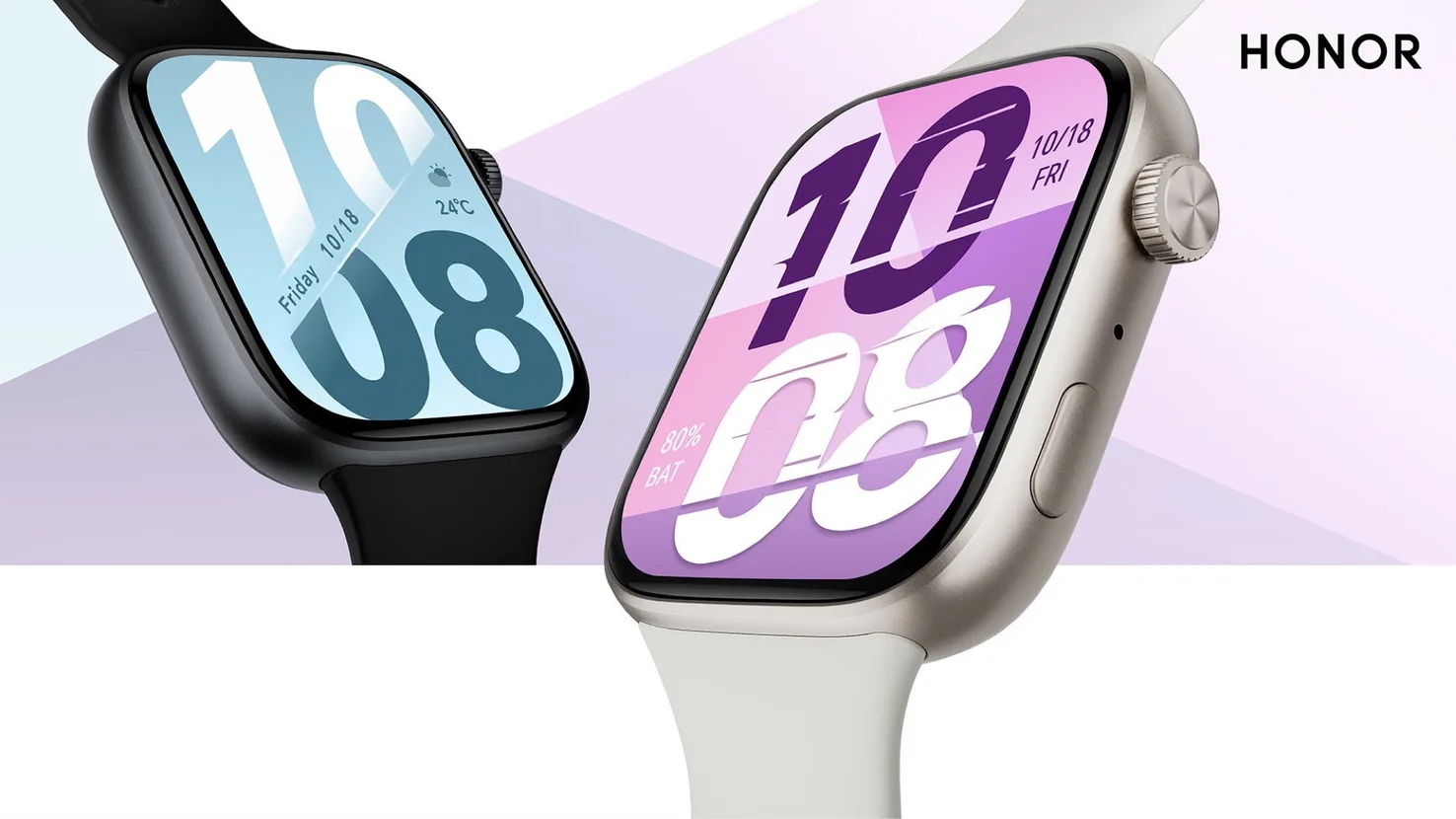
Chinese company Honor unveiled the Watch X5i — a budget smartwatch with a rectangular case in the style of the Apple Watch and a price of about $33. For comparison: the cheapest Apple Watch SE costs $249.
Hardware-wise, the watch features an AMOLED display with a resolution of 450×390 pixels, a 60 Hz refresh rate, and more than 180 watch faces to choose from. Sensors monitor heart rate, blood oxygen level (SpO2), stress, sleep, and the menstrual cycle. There are 109 sports modes available — from running to cycling.
The main selling point is battery life: up to three weeks in normal mode or six days with the display always on. That’s significantly more than most competitors in this price segment.
But this is where the real compromise begins. The watch runs on an RTOS — a simplified real-time operating system — with a correspondingly weaker processor. You won’t be able to install third-party apps: the ecosystem is closed and functionality is defined by the manufacturer from the outset. The buyer gets exactly what’s in the box, and nothing more.
So the Honor Watch X5i is not a cheap version of a smartwatch. It’s a tracker with an Apple Watch-style display and the logic of a fitness band. The design signals one thing; the capabilities — another.
The question is not whether those $33 are worth what’s inside. The question is whether this model will change anything for the market: if buyers who need basic health monitoring start choosing such devices en masse instead of medical applications — that’s another conversation about where the gadget ends and responsibility for data begins.