Huawei unveils soft AI assistant with mood memory for $57
Huawei has introduced a fluffy interactive AI Pet toy with a built‑in chatbot that responds to touch and voice, saves conversation history, and operates via an app on HarmonyOS 5. In China it is priced at 399 yuan; availability abroad is unknown.

By Oleg Bazylewicz
December 2, 2025 · 1 min read
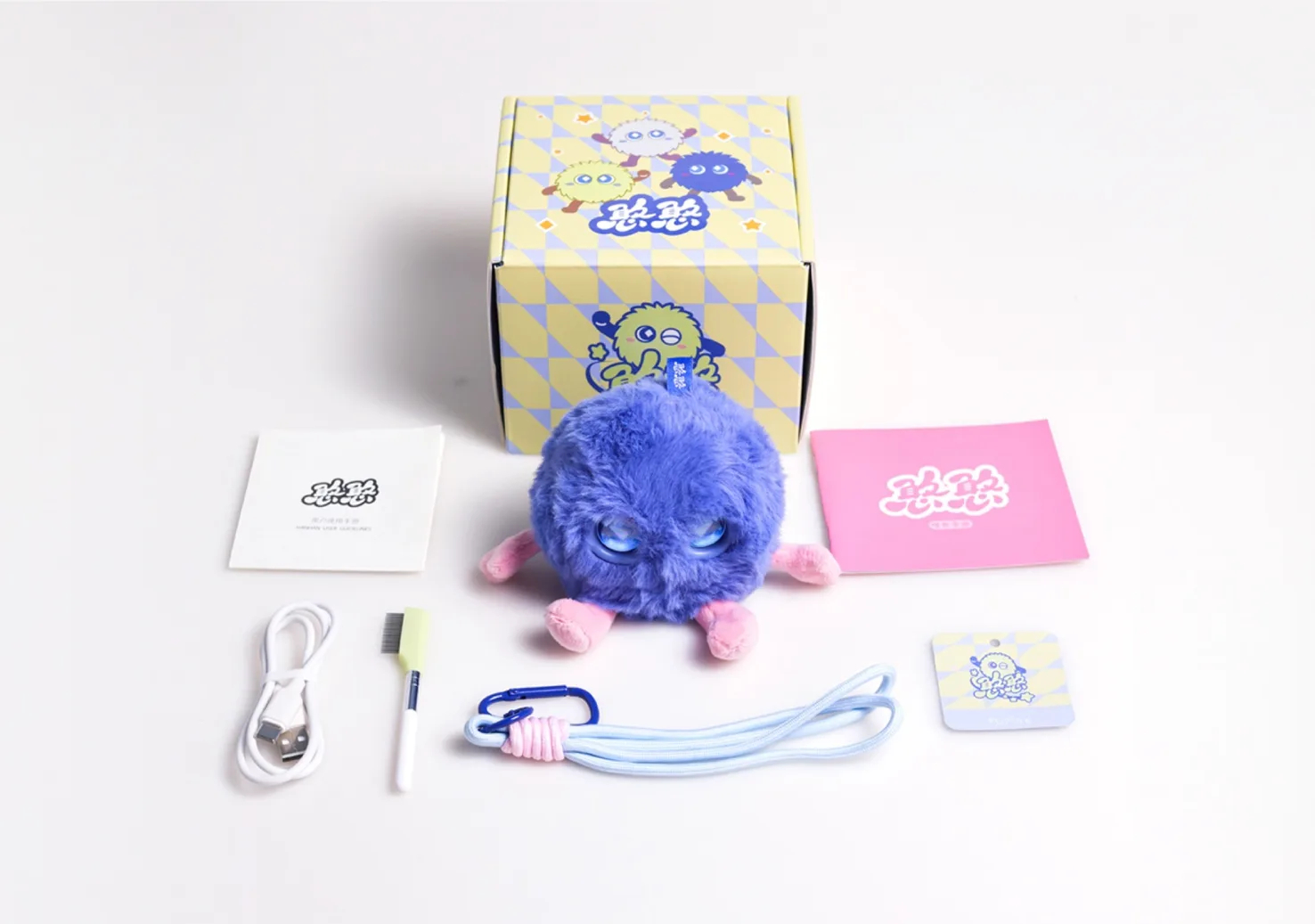
Huawei introduced an interactive toy called AI Pet — a soft character with a built-in chatbot. The device responds to touch and voice, stores conversation history that over time helps it better adapt to its owner. A HarmonyOS 5 app is available for control.
Appearance and interface
The gadget resembles a compact fluffy ball with screen-eyes, has paws and a loop for attaching to keys or a backpack. The expression of the eyes changes according to its emotional state, and the voice intonation is adjusted depending on the user's tone. All conversations are accumulated in a kind of "mood diary." Accessories are available for personalization — glasses, hats and bows.
Technical specifications and battery
The AI Pet weighs about 140 g and has compact dimensions. In active conversation mode the battery lasts up to 8 hours; a full charge takes approximately 6 hours, and normal use provides about two days of battery life.
In China the toy is sold for 399 yuan (approximately $57). The package includes a charging cable, a brush and a strap. A subscription is required to access the full set of features; the first three months of subscription are included in the price. Dates for the device's appearance on other markets have not yet been announced.
Recently, other devices with conversational chatbots have also appeared: a talking plush bear from ByteDance is back on sale with a chatbot, and ChatGPT has gained a voice mode in chat.



